How to stop milk curdling while cooking creamy soups, tea, sauces and curries
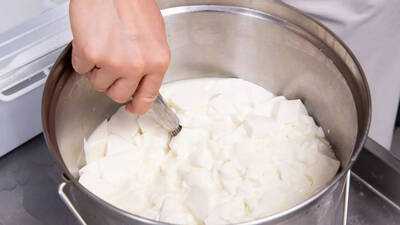
There is nothing more frustrating than watching milk curdle when you have spent time preparing a smooth soup, a rich curry or a comforting cup of tea. Instead of a silky, creamy texture, the liquid suddenly separates into small, unpleasant lumps and ruins the entire dish. It affects taste, visual appeal and sometimes even smell. Milk curdling happens more frequently in winter and in recipes that combine dairy with acidic ingredients or high heat. The good news is that curdling can be prevented easily once you understand why it happens and how temperature, acidity and protein structure interact in milk. With the right kitchen techniques, you can always achieve perfectly smooth, luxurious results in every recipe without stress.
A peer-reviewed scientific paper published in titled Heat-induced changes in caseins and casein micelles, including interactions with denatured whey proteins explains that high heat and increased acidity weaken casein micelles, causing proteins to clump and form visible curds. This research clearly shows why controlling temperature and acidity prevents curdling.
Why does milk curdle while cooking creamy soups, tea, sauces and curries
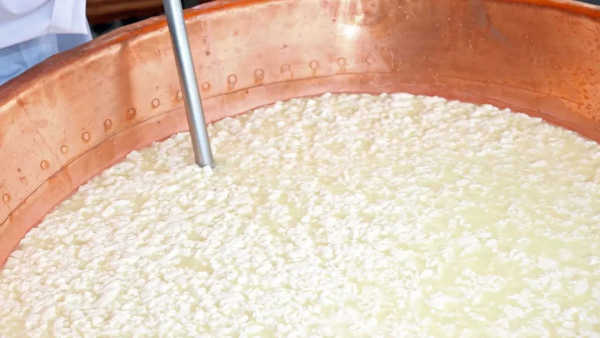
Milk is a carefully balanced emulsion of water, fat and proteins. Casein proteins exist in stable micelles that stay evenly suspended. When these micelles lose stability because of temperature shock or acidity changes, the proteins attract each other instead of repelling. They then clump together and separate from the liquid, creating the familiar grainy texture that we recognise as curdled milk. Sudden exposure to boiling liquids, strong acidic ingredients like tomato, lemon, tamarind, vinegar or the tannins found in strong tea increases the rate of curdling significantly. Older milk curdles faster as its natural acidity rises with time. Combining acidity, heat and cold milk is almost always a recipe for curdling.
How to stop milk curdling in tea and coffee
To stop milk curdling in tea or coffee, avoid pouring cold milk directly into boiling liquid. Temperature shock damages proteins instantly. Instead, warm the milk slightly or let the tea cool for a few seconds before adding dairy. Add milk slowly while stirring continuously rather than in one quick pour. Whole milk works better than skimmed milk because higher fat content protects proteins and stabilises the emulsion. Strong teas with high tannin levels are more acidic, so making them slightly lighter or diluting them a little prevents curdling too. Warming the cup before pouring also helps maintain stability.
How to stop milk from curdling while cooking creamy soups
Soups like tomato, spinach, broccoli or mushroom can curdle easily if milk is added directly during boiling. To avoid this, simmer the soup gently and never boil aggressively after adding dairy. Add warmed milk slowly while stirring to blend evenly. When working with tomatoes or other acidic ingredients, let them cook first, then adjust seasoning and reduce the flame before adding milk or cream. Thickening the base with flour or cornflour before adding dairy protects proteins and prevents curdling by strengthening the structure of the soup.
How to prevent milk curdling in creamy sauces
For pasta sauces, white sauce or cheese-based sauces, begin by preparing a roux using flour and butter. This forms a protective layer around proteins when milk is added. Pour warm milk gradually while whisking continuously, and avoid high heat once the sauce thickens. If the recipe includes wine or mustard, add them before the milk. Continuous gentle whisking distributes heat evenly and keeps the sauce stable. Hard boiling is the most common reason for curdled white sauce, so keep the flame steady and low.
How to stop milk curdling in curries and Indian gravies
Indian curries often contain tomatoes, curd, lemon or tamarind. These ingredients increase acidity and make milk vulnerable. When adding milk, malai or cream to curry, always reduce the flame. Mix a teaspoon of cornflour with milk before adding to improve stability. If using curd, whisk thoroughly and add slowly while stirring constantly. Full-fat milk or cream performs far better than skimmed milk in hot and spicy dishes. Add cream only at the end and avoid boiling once dairy is added to keep the texture smooth and glossy.
Choose the right milk to avoid curdling
Full-fat milk, heavy cream and barista-style dairy alternatives are more stable in heat. Low-fat or skimmed milk curdles faster due to lower protective fat levels. UHT milk also holds better when heated. Fresh milk curdles less, so avoid using milk that is close to expiry.
Understanding the science behind milk stability ensures perfectly smooth soups, sauces, teas and curries every time. With gentle heat control and smart ingredient order, your dishes will always remain silky, rich and restaurant quality without fear of curdling.
Disclaimer: This content is intended purely for informational use and is not a substitute for professional medical, nutritional or scientific advice. Always seek support from certified professionals for personalised recommendations.
Also read|
A peer-reviewed scientific paper published in titled Heat-induced changes in caseins and casein micelles, including interactions with denatured whey proteins explains that high heat and increased acidity weaken casein micelles, causing proteins to clump and form visible curds. This research clearly shows why controlling temperature and acidity prevents curdling.
Why does milk curdle while cooking creamy soups, tea, sauces and curries
Milk is a carefully balanced emulsion of water, fat and proteins. Casein proteins exist in stable micelles that stay evenly suspended. When these micelles lose stability because of temperature shock or acidity changes, the proteins attract each other instead of repelling. They then clump together and separate from the liquid, creating the familiar grainy texture that we recognise as curdled milk. Sudden exposure to boiling liquids, strong acidic ingredients like tomato, lemon, tamarind, vinegar or the tannins found in strong tea increases the rate of curdling significantly. Older milk curdles faster as its natural acidity rises with time. Combining acidity, heat and cold milk is almost always a recipe for curdling.
How to stop milk curdling in tea and coffee
To stop milk curdling in tea or coffee, avoid pouring cold milk directly into boiling liquid. Temperature shock damages proteins instantly. Instead, warm the milk slightly or let the tea cool for a few seconds before adding dairy. Add milk slowly while stirring continuously rather than in one quick pour. Whole milk works better than skimmed milk because higher fat content protects proteins and stabilises the emulsion. Strong teas with high tannin levels are more acidic, so making them slightly lighter or diluting them a little prevents curdling too. Warming the cup before pouring also helps maintain stability.
How to stop milk from curdling while cooking creamy soups
Soups like tomato, spinach, broccoli or mushroom can curdle easily if milk is added directly during boiling. To avoid this, simmer the soup gently and never boil aggressively after adding dairy. Add warmed milk slowly while stirring to blend evenly. When working with tomatoes or other acidic ingredients, let them cook first, then adjust seasoning and reduce the flame before adding milk or cream. Thickening the base with flour or cornflour before adding dairy protects proteins and prevents curdling by strengthening the structure of the soup.
How to prevent milk curdling in creamy sauces
For pasta sauces, white sauce or cheese-based sauces, begin by preparing a roux using flour and butter. This forms a protective layer around proteins when milk is added. Pour warm milk gradually while whisking continuously, and avoid high heat once the sauce thickens. If the recipe includes wine or mustard, add them before the milk. Continuous gentle whisking distributes heat evenly and keeps the sauce stable. Hard boiling is the most common reason for curdled white sauce, so keep the flame steady and low.
How to stop milk curdling in curries and Indian gravies
Indian curries often contain tomatoes, curd, lemon or tamarind. These ingredients increase acidity and make milk vulnerable. When adding milk, malai or cream to curry, always reduce the flame. Mix a teaspoon of cornflour with milk before adding to improve stability. If using curd, whisk thoroughly and add slowly while stirring constantly. Full-fat milk or cream performs far better than skimmed milk in hot and spicy dishes. Add cream only at the end and avoid boiling once dairy is added to keep the texture smooth and glossy.
Choose the right milk to avoid curdling
Full-fat milk, heavy cream and barista-style dairy alternatives are more stable in heat. Low-fat or skimmed milk curdles faster due to lower protective fat levels. UHT milk also holds better when heated. Fresh milk curdles less, so avoid using milk that is close to expiry.
- Warm milk before use
- Add milk slowly and stir continuously
- Do not boil after adding dairy
- Use stabilisers like flour or cornflour
- Add acidic ingredients before milk
- Choose whole milk for the best results
Understanding the science behind milk stability ensures perfectly smooth soups, sauces, teas and curries every time. With gentle heat control and smart ingredient order, your dishes will always remain silky, rich and restaurant quality without fear of curdling.
Disclaimer: This content is intended purely for informational use and is not a substitute for professional medical, nutritional or scientific advice. Always seek support from certified professionals for personalised recommendations.
Also read|
Contact to : xlf550402@gmail.com
Copyright © boyuanhulian 2020 - 2023. All Right Reserved.