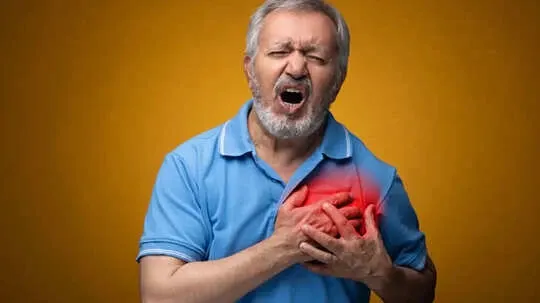
Home Alone and Think You’re Having a Heart Attack? Here’s How You Can Save Your Life in 15 Seconds
Across the world, a heart attack is one of the most significant medical emergencies that leads to widespread deaths in both men and women.
While there is no solution except immediate medical attention, it can be even more difficult to deal with when you are home alone, and there is no one besides you in the vicinity.
How to handle it alone?
According to experts, acting quickly and staying calm makes all the difference.
If you think you are having a heart attack, the most crucial steps include first calling the emergency services immediately and taking aspirin if available in the vicinity, and you are not allergic. Thereafter, make sure to stay calm and slowly unlock your door so that the first responders or anyone who can help can enter the house.
- While it is natural that anxiety and fear can take over during a heart attack, it is necessary to act carefully, though swiftly.
- Call for an ambulance to shift you through.
- It is important not to panic. Stay calm, relaxed, and sit down in a comfortable position.
- Keep an emergency drug handy in case you already have a heart condition.
- Breathe slowly so that the required level of oxygen in the blood is maintained.
- Do not engage in any type of physical activity.
- Do not attempt to eat or drink anything, as it may further complicate the situation.
- Ensure that you receive abundant air to breathe, and the doors and windows of your house are kept open.
- Do not attempt to drive yourself to the hospital.
What is a heart attack?
A heart attack or a myocardial infarction is an extremely dangerous condition that happens because you do not have enough blood flow to some of your heart muscle. This lack of blood flow can occur because of many different factors, but it is usually related to a blockage in one or more of your heart's arteries.
Without blood flow, the affected heart muscle will begin to die. If you don't get blood flow back quickly, a heart attack can cause permanent heart damage and/or death.
Signs and symptoms of a heart attack
According to experts, these could be signs of a heart attack:
- Discomfort in the chest, especially the center, that lasts more than a few minutes or comes and goes. The discomfort may feel like heaviness, fullness, squeezing, or pain.
- Discomfort in the upper body parts such as the arms, back, neck, jaw, or stomach. This may feel like pain or general discomfort.
- Breathlessness, which may come with or without chest discomfort.
- Unusual sensations such as a cold sweat, nausea, vomiting, lightheadedness, or dizziness. Doctors say women are more likely than men to experience these kinds of symptoms.
Contact to : xlf550402@gmail.com
Copyright © boyuanhulian 2020 - 2023. All Right Reserved.