It's estimated that roughly one in five people across the UK suffer from irritable bowel syndrome (IBS), a widespread condition affecting the digestive system that triggers symptoms including stomach cramps, bloating, diarrhoea and constipation. These symptoms can change quickly or linger for weeks at a time, reports Surrey Live.
Although the precise cause remains a mystery, adjusting one's diet has proven to dramatically ease symptoms for many sufferers. The Christmas period can present unique difficulties for those managing IBS, due to the abundance of rich foods and alcoholic beverages at festive gatherings.
Tackling the highly anticipated Christmas feast can prove especially challenging for individuals with this condition. Dr Claire Merrifield, a GP at Selph, said: "Fatty foods and alcohol are common triggers of IBS, which can make Christmas a very difficult time for those that suffer with it. In addition, stress tends to make symptoms of IBS worse.
"Most people with IBS also will know that foods that have a high FODMOP (Fermentable Oligosaccharides, Disaccharides, Monosaccharides and Polyols) content can create more gas and bloating. High FODMAP foods like cauliflower, onions and garlic, milk, bread and sweeteners tend to be prominent foods at Christmas time."
Throughout the Christmas period, those battling irritable bowel syndrome (IBS) may find it tricky to make sensible food choice. Tucking into rich fare like cheese and chocolate could worsen IBS flare-ups, particularly tummy troubles tied to eating.
"Fatty foods like cheese and chocolate which are hard to avoid over the festive period, might increase symptoms of IBS, in particular abdominal pain related to eating," advised Dr Merrifield.
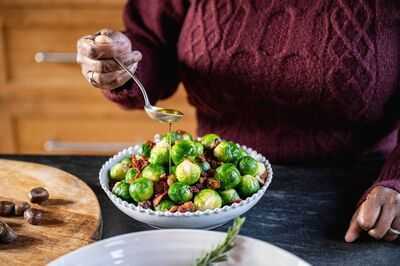
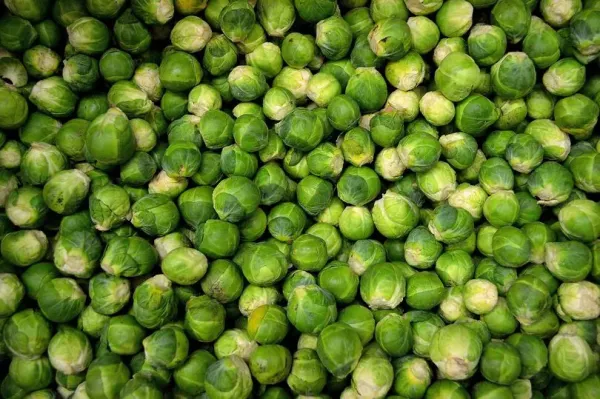
Despite containing low FODMAPs, brassica vegetables including Brussels sprouts and cabbage are infamous for triggering wind, according to Gloucestershire Live. To help those suffering from IBS enjoy the holidays with greater ease, Dr Merrifield puts forward various tactics.
She recommends ditching Brussels sprouts, which are well-known for causing flatulence due to their high roughage content that breaks down in the bowel, in favour of a gentler IBS-friendly substitute.
Switch Brussels sprouts for peas
Dr Merrifield explained: "Love them or hate them, there is actually science behind the reasons why Brussels sprouts make you gassy. Although they're high in vitamins and antioxidants, they contain a lot of fibre which is fermented by bacteria in our colon, leading to the production of gas that our bodies must release. This can lead to discomfort in some people with IBS."
For a less troublesome meal, the specialist recommended: "Try swapping out Brussels sprouts for a less gassy alternative, like carrots or green beans. The rest of the dinner table might even be jealous!"
Reduce fatty foods
Dr Merrifield also highlights fat as a potential catalyst for IBS flare-ups, recommending cutting down on the rich, indulgent puddings typically associated with the festive season. Dr Merrifield explained: "Fat is thought to trigger some symptoms of IBS. There are usually lots of fatty foods on offer for dessert, like cake, cheese and chocolate."
Dr Merrifield suggested: "If you're in charge of cooking, try and make sure there are some lighter snacking and dessert options. You can also bring some mindfulness to your eating - do you really want that whole chocolate orange right now? Or can you just have a small segment and really enjoy it?"
Cut down on booze and caffeine
She continued: "Alcohol, tea and coffee can all trigger symptoms of IBS, so it's worth being mindful of what you're drinking. Most of us have something in our hands that's not water for most of the Christmas period so think about ways you could reduce the caffeine and alcohol you're consuming.
"You might want to stock up on non-alcoholic or decaffeinated alternatives. Fruit-infused water is a really nice way to stay hydrated and refreshed and peppermint tea can help with abdominal pain related to IBS."
Wear loose-fitting clothing
Choose comfortable clothing When it comes to what to wear during those big festive blow-outs, Dr Merrifield advised: "Whenever we sit down to eat a big meal, we are likely to feel our bellies getting bigger. Wearing tight-fitting clothes or tightly elasticated waistbands can mean our gut can't work as effectively and may lead to painful trapped wind.
"Wear loose-fitting clothes that are baggy around the middle, everyone's focussed on their food, not your waistline, so prioritise comfort over fashion."
Grab quick breathers and mindful pauses
As a final tip, she suggests reducing stress by weaving brief pauses and mindful intervals into your day. Dr Merrifield explained: "Christmas can be a stressful time for many of us. If you're alone there may be increased feelings of isolation and sadness. If you're with loved ones a combination of family tensions and loosened inhibitions can lead to difficult atmospheres.
"Remember it's OK to take a minute to breathe. There are some really simple breathing techniques you can try, even in the middle of a conversation to help you get a bit of perspective. Try the 3-4-5 method, breathe in for three seconds, hold for a count of four, then breathe out for a count of five. Do it a few times to re-centre yourself.
"IBS is thought to be a disorder of gut-brain interaction so take a moment as often as you can to be present to the sights, sounds, smells and feelings around you. The more you can ground yourself in the present moment, the less feelings of anxiety and worry you'll tend to experience. Try and enjoy the festive season, whatever it brings for you."
If you want ideas and inspiration to plan your next UK adventure plus selected offers and competitions, sign up for our 2Chill weekly newsletter here
Contact to : xlf550402@gmail.com
Copyright © boyuanhulian 2020 - 2023. All Right Reserved.