Corporate travel today demands far more structure, clarity and predictability than ever before. As organisations grow across regions, teams travel more frequently, and operations become more complex, companies are realising that an ad-hoc approach no longer works. A well-designed governance system helps reduce risks, improve control and ensure that every trip aligns with the company’s objectives. In 2025 and beyond, structured travel planning is becoming a core part of operational efficiency.
India’s managed travel market is expected to rise by over 14% in 2025as more organisations strengthen their compliance systems and formalise travel processes. With increasing travel volume and tighter cost expectations, companies are actively seeking models that bring consistency and transparency across teams.
Organisations using automated dashboards and policy-mapping tools have also reported faster GST reconciliation and clearer visibility into travel patterns. Features like simplified onboarding and multi-category booking available on platforms such as myBiz help create a smoother, more predictable travel flow for entire teams.
In this blog, we will break down the essential components of a modern corporate travel structure—from governance models and planning frameworks to compliance insights, traveller well-being and data-driven decision-making. The aim is to help companies create a system that is practical, scalable and aligned with both employee needs and business goals.
1. Why Is a Structured Travel Governance Model Important?
For many organisations, travel is one of the largest controllable expenses. Without a clear governance model, decisions become inconsistent and difficult to track. A structured approach allows companies to control risks—whether financial, safety- or operational.
Consistency across departments is equally important. When different teams follow different booking habits, misalignment occurs. A single governance model ensures fairness, supports compliance and brings uniformity to how travel decisions are made.
2. How Do You Build a Modern Travel Management Framework?
A travel management framework begins with well-defined policies. These policies outline everything from fare types and hotel categories to booking timelines and approval thresholds. Clear rules reduce confusion and speed up decision-making.
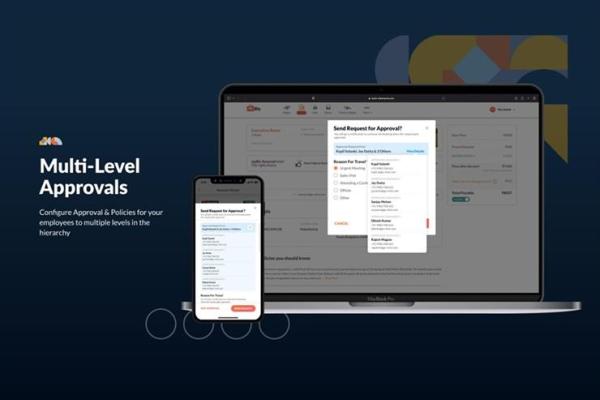
Approval flows should be mapped in a way that prevents delays but maintains control. Digital approval routes ensure that decision-makers have the right information at the right time.
Preferred supplier systems also help. By identifying reliable flight, hotel and ground transport options, organisations maintain quality while managing costs more effectively.
3. How Can Businesses Improve Travel Planning and Coordination at Scale?
When multiple teams travel simultaneously, coordination becomes challenging. Proper planning ensures that departments follow the same standards and timelines. This helps avoid conflicting schedules, unnecessary expenses or last-minute issues.
Reducing booking fragmentation is another major benefit. Instead of using multiple channels, centralising travel removes confusion and helps organisations track spend, identify patterns and manage compliance with ease. Platforms like myBiz simplify this process by supporting multi-team alignment under one system.
4. How Should Companies Monitor Travel Spend and Compliance?
This is where corporate travel management becomes essential. Tracking tools give organisations real-time visibility into spending, upcoming trips, cancellations and traveller movement. These insights help finance teams control budgets more effectively.
Managing non-compliance is equally important. When bookings fall outside policy—whether due to price, timing or choice—companies need systems that identify issues early. A structured monitoring approach allows corporate travel managers to guide employees, adjust policies or resolve gaps proactively.
5. How Can Traveller Well-Being Become Part of Travel Policy?
Traveller well-being is now a core priority for modern organisations. Setting safety standards ensures that employees choose secure flight timings, well-rated hotels and trusted transport options. It also reinforces the organisation’s duty of care.
Sustainable travel considerations are also gaining importance. Companies are encouraging smarter route selection, thoughtful hotel choices and reduced unnecessary trips. This approach supports both corporate responsibility and long-term planning.
6. How Can Companies Make Better Travel Decisions?
Data insights play a crucial role in shaping future travel decisions. Analysing reports helps organisations understand spending behaviour, adjust policies and identify trends that impact budgets or efficiency.
Reviewing travel patterns on a regular basis also allows companies to understand which departments travel the most, what challenges often arise and where improvements can be made. Platforms like myBiz make these insights accessible through simple, consolidated dashboards.
Conclusion
A structured, policy-driven approach is no longer optional—it is the foundation of modern business travel. By adopting clear governance models, strengthening planning frameworks and using data intelligently, organisations can create a travel process that is consistent, compliant and employee-friendly. Combining strong policy design with the right tools and expertise enables companies to travel more responsibly, more efficiently and with greater confidence.
Contact to : xlf550402@gmail.com
Copyright © boyuanhulian 2020 - 2023. All Right Reserved.