Natural Ways of Boosting Immunity During Seasonal Changes
1. consuming Immune Supporting Nutrition

2. Staying Hydrated
3. Maintaining Consistent Physical Activity

4. Prioritizing Sleep and Stress Reduction

5. Getting Sunlight and Vitamin DReduced daylight during the transitional months can lower our body’s vitamin D levels. Brief exposure to sunlight, when safe, along with vitamin D rich foods like mushrooms and fortified dairy, can support immune resilience.
By adopting these natural practices, individuals can better prepare their bodies for the challenges that seasonal changes may bring.
Discover expert advice and the latest updates in Skin Care, Hair Care, Wellness, Dermatology, and more at Stay Young guide to lasting beauty and holistic health!
Frequently Asked Questions (FAQ's)
what is the most powerful natural immune booster
vitamin E is one of the most effective nutrients
how to raise your immunity naturally
eating well, being physically active, getting enough sleep and avoiding alcohol are some ways to raise our immunity
what are the signs of a weak immune system
getting infections often, blood disorders, digestive problems are signs of a weak immune system
how do i know if my immune system is strong
signs of a strong immune system include quick recovery from illness and minimal allergy or fatigue symptoms
a table containing immunity rich foods
Nutrition is one of the strongest determinants of immune health. Dietitians emphasize that consuming antioxidant rich foods such as berries, leafy greens, citrus fruits, and nuts can help protect cells from damage. Vitamin C, found in oranges, aids in the production of infection fighting white blood cells. Meanwhile, zinc-rich foods such as pumpkin seeds, lentils, and whole grains help regulate immune responses. Fermented foods like yogurt, kefir and kimchi are also being widely recommended for their probiotics, which support a balanced gut microbiome.2. Staying Hydrated
a table containing green tea
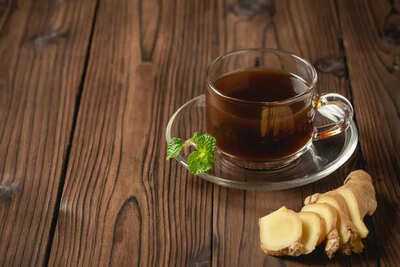
Adequate hydration helps our body in flushing toxins and keeping mucous membranes moist, making it harder for viruses to enter. Warm herbal teas such as ginger, turmeric, and green tea have gained popularity for their antioxidant properties. Echinacea, elderberry, and Tulsi are commonly used nowadays in traditional medicine to support immunity.3. Maintaining Consistent Physical Activity
people exercising in the morning
Regular movement stimulates the circulation of immune cells, helping them detect infections earlier in our body. Experts recommended doing moderate exercise such as brisk walking, cycling, or yoga for at least 30 minutes a day. Overexertion, on however, can have the opposite effect, temporarily in weakening the immune response, so balancing is the key.4. Prioritizing Sleep and Stress Reduction
a girl prioritizing sleep
Seasonal changes often disrupt sleep patterns, yet adequate sleep is essential for the immune system to get repaired. Adults are advised to aim for 7 to 9 hours nightly. Stress hormones like cortisol can suppress immune function when levels remain chronically high. Techniques like deep breathing, meditation, journaling, or spending time outdoors can help maintain emotional balance in our body.5. Getting Sunlight and Vitamin DReduced daylight during the transitional months can lower our body’s vitamin D levels. Brief exposure to sunlight, when safe, along with vitamin D rich foods like mushrooms and fortified dairy, can support immune resilience.
By adopting these natural practices, individuals can better prepare their bodies for the challenges that seasonal changes may bring.
Discover expert advice and the latest updates in Skin Care, Hair Care, Wellness, Dermatology, and more at Stay Young guide to lasting beauty and holistic health!
Frequently Asked Questions (FAQ's)
vitamin E is one of the most effective nutrients
eating well, being physically active, getting enough sleep and avoiding alcohol are some ways to raise our immunity
getting infections often, blood disorders, digestive problems are signs of a weak immune system
signs of a strong immune system include quick recovery from illness and minimal allergy or fatigue symptoms
Contact to : xlf550402@gmail.com
Copyright © boyuanhulian 2020 - 2023. All Right Reserved.