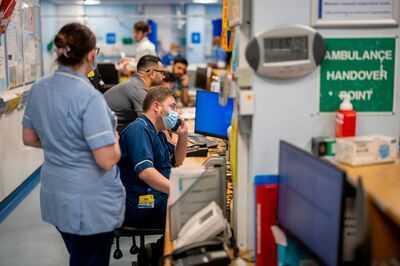
More people are turning up in A&Es with minor conditions like hiccups and ingrowing toenails.
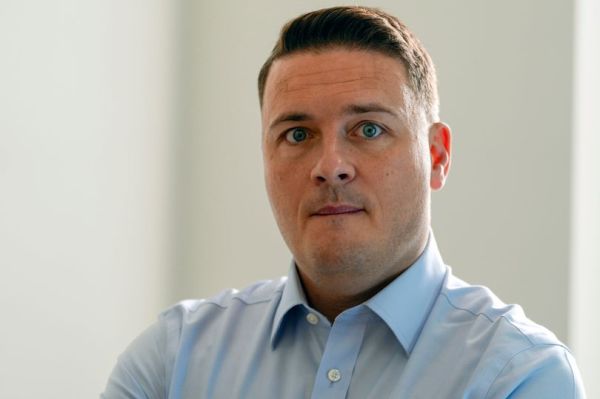
The NHS has published data showing rising numbers of patients turning up on emergency wards with conditions such as ear ache, sore throat, itchy skin and blocked nose. Health Secretary Wes Streeting has called on patients to “only use A&E for genuine accidents and emergencies” during what he warns could be one of the “busiest ever” winters for the NHS.
Julian Redhead, NHS National Director of Urgent and Emergency Care, said: “The last place a patient wants to be when they have a minor illness is in a busy A&E.
READ MORE: NHS secret reveals how to get treated quicker during 'busiest' winter
READ MORE: Wes Streeting announces Labour will ‘end corridor care’ in NHS hospitals by 2029
“The current flu wave and strikes will increase the chances of hospitals getting much busier this winter– and it’s more important than ever that patients are getting the care they need in the most appropriate place.”
NHS England data shows there were more than 200,000 A&E attendances last winter for conditions that could have been dealt with elsewhere. The number of patients turning up for a blocked nose soared by nearly a third last winter compared to the previous summer period. Medics are worried about a similar trend happening this winter.
A&E attendances for a blocked nose increased from 4,943 in the summer of 2024 to 6,382 in the winter which followed. There was a 12% increase in A&E cases involving a sore throat from 86,343 to 96,998. Admissions with an earache rose by 11% from 75,152 to 83,705.
It follows warnings more NHS patients will spend Christmas away from their families on a busy hospital ward because doctors are on strike. The British Medical Association called another five-day strike from 7am from December, in the week before Christmas when hospitals are busy trying to discharge patients where possible.
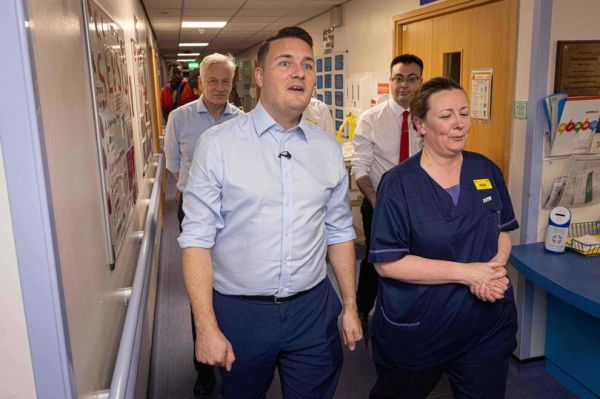
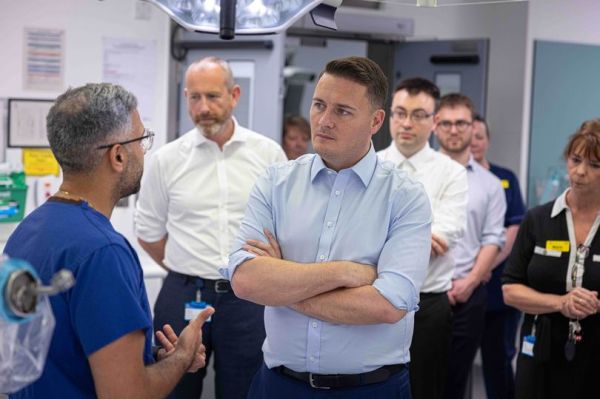
Health Secretary Wes Streeting said: “This winter will be one of the busiest ever for our hard-working NHS staff dealing with soaring flu cases and tough pressures across A&Es up and down the country. That will be made even harder by the BMA’s dangerously reckless decision to strike in the run up to Christmas, causing real anxiety for patients and their families at such an important time of the year.
“We are doing all we can to make sure patients are kept safe and get the right care during this time of intense pressure. We can all do our bit this winter by making sure we only use A&E for genuine accidents and emergencies.”
NHS England published a press release saying A&Es are "under siege from hiccups and ingrowing toenails". It outlined how many patients last winter sought help for things which officials say could have been handled by GPs or pharmacists.

Emergency departments in England dealt with 8,669 cases of itchy skin, 384 people with hiccups, and 96,998 patients who sought help for a sore throat. A&E staff also dealt with more than 6,000 cases of blocked noses, almost 84,000 earaches, and 3,890 cases of ingrowing toenails between November 2024 and March 2025.
However the professional body representing A&E medics said these patients are not the main reason emergency wards are so busy. The Royal College of Emergency Medicine said the main driver is a lack of social care capacity in the country for hospitals to safely discharge patients into.
President Dr Ian Higginson said: “Although we do see lots of patients who would rather be able to access care elsewhere, this isn’t the leading cause of the total breakdown of flow in our departments.
“What’s driving this crisis is inpatient bed occupancy, which this year has averaged over 93% - far over the safe level of 85%. This is partly due to inefficiency in hospitals but mostly because thousands of these beds each day filled with people medically fit to be discharged, but with nowhere to go.
“Meanwhile our corridors are filled with the sickest and most injured people who require admission, stuck waiting for upwards of 12 hours. This is the issue that needs tackling.
"For that to happen, we need NHS leaders to tackle delayed discharges and the government to grasp the nettle on social care capacity. Only then will emergency departments feel any relief.”
Contact to : xlf550402@gmail.com
Copyright © boyuanhulian 2020 - 2023. All Right Reserved.