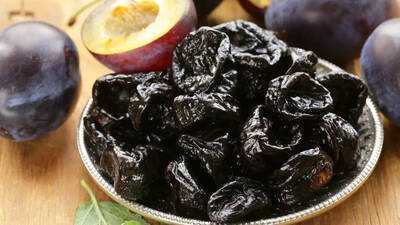
Prunes have gained renewed attention as interest in digestive wellbeing, fibre intake and gut microbiome support continues to rise. As more people seek simple foods that contribute to smoother digestion without relying on supplements, prunes offer a naturally rich combination of fibre, sorbitol and key micronutrients. Their role in stool formation, bowel regularity and microbial balance has been explored through scientific studies that highlight how a small daily serving can influence gut behaviour. With digestive discomfort and irregular bowel habits becoming increasingly common across different age groups, prunes provide an accessible way to support gastrointestinal comfort while also adding flavour, versatility and nutrition to everyday meals.
The key benefits of eating prunes
A randomised controlled trial examining the effect of prunes on stool output and gut transit showed significant improvements in stool weight and bowel movement frequency among participants consuming daily servings of 80 g or 120 g. The reported that prunes were generally well tolerated, aside from a modest increase in flatulence, and did not cause major changes in overall gut transit time. This evidence aligns with longstanding observations that prunes naturally promote digestive ease. Their combined fibre content, sorbitol and micronutrient profile create a gentle yet effective way to enhance stool quality and support regularity without the harsher effects associated with stimulant laxatives.
Benefits include:
• Increased stool bulk that contributes to a smoother and more predictable bowel rhythm.
• Improved regularity for individuals who experience infrequent or inconsistent bowel movements.
• Softer stools due to the natural presence of sorbitol and soluble fibre.
• A mild laxative effect that supports comfortable passage without reliance on artificial additives.
• Subtle increases in beneficial gut bacteria, contributing to a more balanced microbial environment.
Why prunes are so beneficial
Prunes offer these benefits because of their unique combination of fibres, natural sugars and bioactive plant compounds. Soluble fibre absorbs water and creates a gel-like texture that softens stools and aids movement through the digestive tract. Insoluble fibre adds structural bulk, which stimulates intestinal activity. Sorbitol, a naturally occurring sugar alcohol found in prunes, draws water into the colon, helping to ease the passage of stools that are typically dry or difficult to move. In addition, polyphenols present in prunes interact with the gut microbiota and may encourage microbial diversity, while their vitamins and minerals contribute to overall dietary quality.
Factors that make prunes beneficial:
• A balanced mix of soluble and insoluble fibre that improves stool texture and supports digestive efficiency.
• Natural sorbitol content that enhances hydration within the colon and softens stool.
• Polyphenols that may act as gentle prebiotic compounds and support microbial health.
• Essential nutrients, including potassium, that contribute to the nutritional value of the diet.
• A sweet and palatable flavour that encourages regular consumption without added sugar.
Benefits of prunes for gut health
While prunes are widely associated with better bowel habits, they are increasingly recognised for their broader contribution to gut health. The study investigating prune consumption identified a small but meaningful rise in Bifidobacteria among participants, a genus linked to digestive comfort and a stable microbiome. Although the overall microbial composition did not undergo major shifts, the direction of change suggests that prunes can support subtle, positive microbial activity. Their polyphenols, which reach the colon largely undigested, interact with resident bacteria and may promote the production of metabolites that strengthen the intestinal environment.
The hydration-enhancing properties of prunes also support microbial fermentation, as fibre fermentation relies partly on adequate moisture within the colon. This combination of fibre, sorbitol and polyphenols can help maintain an environment in which beneficial bacteria thrive. Although further research is needed to explore these relationships in more diverse populations, prunes fit comfortably within broader dietary patterns that prioritise plant fibre and gut-supportive foods. Their gentle effect on digestion, paired with their nutrient density, positions them as a practical inclusion for individuals aiming to sustain long-term gut health without introducing drastic dietary changes.
How to eat prunes for the best results
Introducing prunes into everyday meals is simple, and the method of consumption can influence both tolerance and enjoyment. Their natural sweetness allows them to blend easily into sweet or savoury dishes, while their fibre content means that gradual introduction may be helpful for individuals not accustomed to high-fibre foods. Drinking sufficient water alongside prune intake generally enhances their digestive effect by supporting fibre expansion and movement through the colon.
Best ways to eat prunes:
• Choose whole prunes rather than heavily processed varieties to preserve fibre density and nutritional value.
• Soak prunes in warm water for a softer texture that can be gentler on the stomach and easier to digest.
• Add prunes to smoothies to provide natural sweetness and a smooth consistency without refined sugar.
• Chop prunes into salads, grain bowls or yoghurt for added fibre, flavour and moisture.
• Incorporate prunes into cooked dishes or baked items where their natural sugars enhance texture and richness.
• Adjust portion size based on personal tolerance, increasing gradually to support comfortable digestion.
• Pair prunes with adequate hydration to strengthen their natural stool-softening effect and maintain digestive comfort.
Disclaimer: This article is for general informational purposes only and is not a substitute for professional medical advice, diagnosis, or treatment. Always seek the guidance of a qualified healthcare provider regarding any medical condition or lifestyle change.
Also Read |
Contact to : xlf550402@gmail.com
Copyright © boyuanhulian 2020 - 2023. All Right Reserved.