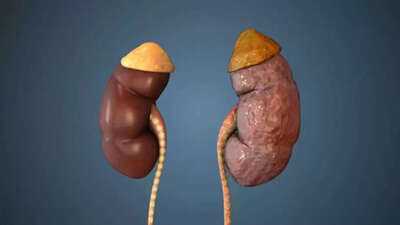
Signs of Kidney Failure: Often referred to as a 'silent killer,' kidney failure, or chronic kidney disease, frequently goes unnoticed until it reaches advanced stages. Remarkably, the kidneys can sustain up to 80% of their functionality without presenting any obvious symptoms.
This characteristic means that significant kidney damage can occur without any clear indications in the initial phases. By the time symptoms manifest, the kidneys may have already lost a substantial amount of their function, limiting the treatment options available to healthcare providers.
Moreover, the initial signs that do surface, such as fatigue, weakness, or nocturia (frequent nighttime urination), are commonly mistaken for aging, stress, or general fatigue. This delay in diagnosis often results in patients needing dialysis or a kidney transplant. Hence, recognizing the early indicators of kidney failure and scheduling regular health checkups is essential for preserving lives.
Subtle Early Symptoms
The early signs of kidney failure are often quite subtle, making them easy to overlook. Common symptoms include persistent fatigue (often due to anemia), frequent nighttime urination, and a decreased appetite.
These symptoms are so prevalent that individuals frequently attribute them to insufficient sleep or an unhealthy lifestyle. By the time more pronounced symptoms like swollen legs or nausea occur, the condition has typically progressed to its later stages.
Importance of Regular Health Checkups
Many individuals neglect to include specific kidney assessments in their routine health evaluations. Physicians often focus on checking blood sugar or cholesterol levels. However, a kidney function test, which is a blood test, is crucial for identifying kidney damage. This test should ideally be conducted annually to catch any early signs of kidney issues.
The Role of High Blood Pressure and Diabetes
Uncontrolled high blood pressure and diabetes are the primary culprits behind kidney failure. Both conditions progressively harm the kidneys, yet patients often mistakenly believe that their kidneys are protected as long as they are on medication for these issues. However, if blood pressure or blood sugar levels remain uncontrolled, the delicate blood vessels in the kidneys continue to sustain damage.

Consequences of Late Diagnosis
When kidney disease is identified at its advanced stages, patients are often left with no choice but to undergo dialysis or a kidney transplant. This situation poses significant emotional and financial challenges not only for the patient but also for their families. Therefore, individuals over the age of 40, particularly those with diabetes or high blood pressure, should have mandatory kidney function tests annually to identify and mitigate the disease in its early stages.
Stay Informed and Proactive
PC Social Media
Contact to : xlf550402@gmail.com
Copyright © boyuanhulian 2020 - 2023. All Right Reserved.