Lower Blood Sugar in 15 Minutes Daily – CMC Vellore Doctor Recommends One Simple Habit Instead of Medicine
Diabetes affects millions of people across the world, and according to studies, the numbers are only increasing. While doctors suggest focusing totally on simple and consistent lifestyle habits to keep your blood sugar levels in check, many people are unable to do so.
However, experienced doctors suggest one of the strongest tools is something most people can do anywhere.
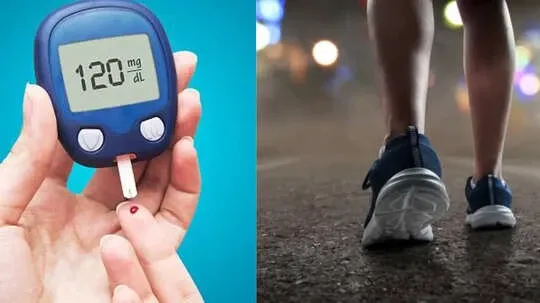
Senior diabetologist who trained at CMC Vellore, Dr Brijmohan Arora, has emphasised how even minimal movement triggers a rapid metabolic response, reinforcing what research has long suggested, how walking remains one of the simplest yet most powerful tools for blood sugar control. In a recent Instagram post, Dr Arora shared real-time data from his Continuous Glucose Monitor or CGM, revealing how his sugar levels dropped from 107 mg/dL to 96 mg/dL in just 15 minutes of walking.
Dr Arora also pointed out how, without taking any supplement or following a strict diet during this time, the only change was a simple walk during a routine market visit.
According to Dr Arora, CGM gives users a front-row view of how their body responds in real time, and the changes can be surprisingly swift. The moment you start walking, he said, your muscles behave like "glucose sponges," absorbing sugar directly from the bloodstream, causing levels to dip naturally without medication. This instant shift in glucose uptake is what makes walking one of the most accessible and powerful habits for those managing diabetes, prediabetes, or insulin resistance.
How is walking an important metabolic workout?
Dr. Arora emphasized that walking is a simple, safe, and cost-effective way to manage blood sugar, making it an ideal daily strategy for those facing rising HbA1c levels or consistently high CGM readings. He noted that increasing belly fat or worsening glucose trends are clear signals to start walking regularly-even in small steps.
The key, he stressed, is consistency over intensity, highlighting how small, daily movements can drive meaningful metabolic improvements.
Walking helps cut the risk of diabetes as it boosts insulin sensitivity, helps muscles use blood sugar better, and even manages weight, which is a key factor in insulin resistance, lowers stress, and directly reduces post-meal blood sugar spikes. Brisk walks or short walks after eating make your body more efficient at glucose regulation.
How to create a personalised walking programme?
The American Heart Association recommends a structured approach for those with high blood sugar:
- Start at your own pace: Begin with 10-15 minutes per day and gradually increase.
- Set a weekly goal: Aim for 150 minutes of moderate-intensity walking per week.
- Track your progress: Use a pedometer, smartwatch, or app to monitor daily steps.
- Schedule walks: Incorporate walking into your morning or evening routine.
- Set achievable targets: Gradually work toward 10,000 steps or 30 minutes daily.
- Warm-up and stretch: Include flexibility exercises before and after walking.
- Maintain your shoes: Replace worn-out shoes every 350-500 miles to avoid injury.
Even a few minutes of walking daily can have a profound impact on blood sugar control and overall metabolic health. For those struggling with diabetes, prediabetes, or insulin resistance, this simple habit may be one of the most powerful tools available, no prescription required.
Contact to : xlf550402@gmail.com
Copyright © boyuanhulian 2020 - 2023. All Right Reserved.