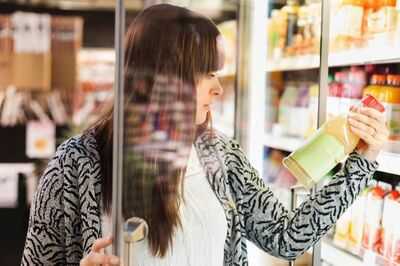
Over seven in ten severely visually impaired adults struggle with food shopping and as a result avoid the task entirely. It comes as a survey of 500 visually impaired people - including 100 blindrespondents - found 83% find information on food packaging hard or impossible to read.
The survey by GS1 UK identified the main obstacles when shopping as small or difficult-to-read text (56%), inadequate lighting (40%) as well as changes in product placement within stores (23%). A lack of staff assistance and the absence of audio descriptions or mobile app support were also significant barriers making shopping challenging.
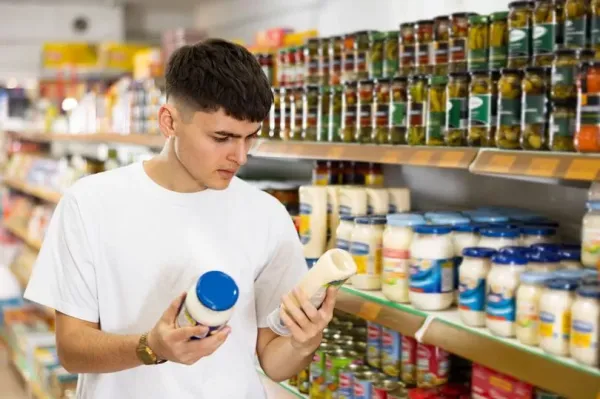
However, the study revealed that poor packaging doesn't just cause inconvenience, it makes the shopping experience emotionally taxing.
- Spectacular rare bird spotted in England for first time since 1991
- Doctors say two Covid symptoms disappearing and one is now most common
Shoppersreported feeling stressed, frustrated and anxious when trying to identify products. And those with allergies often risked buying food they would later discover contains an ingredient they were allergic too - something 37% have experienced.
In order to ensure they get what they need, over half of the shoppers surveyed (53%) have resorted to asking strangers for help, which made 36% feel uncomfortable. Meanwhile, a whopping 83% stick to familiar brands to avoid accessibility challenges.
The research was commissioned by GS1 UK as part of their collaboration with tech firms such as Zappar, aiming to improve accessibility and make shopping more inclusive.
Vicky Blencowe, a volunteer with the Sight Loss Council who was diagnosed with Stargardt's disease, a hereditary eye condition that causes loss of central vision, in 2001, said: "I'm a bit unadventurous. It's difficult to explore new products when you can't read the labels. Consistency is key. We need accessible QR codes across everything, not just in the cereal aisle or on a few products."
She added: "The ability to scan from a distance and instantly get information would be a miracle for shoppers like me – and having information stored and accessible quickly in a consistent way would make shopping easier, fairer and far more inclusive."
A significant number of respondents agreed that QR codes linking to audio descriptions (32%) and mobile app integration (29%) would significantly enhance the shopping experience. Meanwhile large, high-contrast print (56%), consistent shelf layouts (43%) and trained-staff (37%) would also help.
Visually impaired shoppers reported feeling overlooked, with 78% believing brands and retailers haven't invested sufficiently in technology to support them. Additionally, 85% wanted the UK Government to make accessibility support compulsory.
Anne Godfrey, CEO of GS1 UK, said: "There is strong demand for change and with better, more inclusive options available, it's time for brands and retailers to take action to make shopping easier for everyone.
"While large, high-contrast print is desirable, it's often impractical due to limited space on packaging. QR codes powered by GS1 offer more than regular QR codes. They make vital details like ingredients, allergens and storage advice accessible through screen readers and assistive apps.
"This ensures consistency and compatibility across products, restoring independence for visually impaired shoppers."
Four in ten visually impaired shoppers have utilised QR codes to access product information, whilst twice that number would use them if they were broadly available.
Darren Tan, ecosystem manager at Zappar, said: "Shoppers with sight loss know the information is there; they just can't reach it. Accessible QR codes unlock it instantly using the apps people already trust, now retailers need to make it consistent."
Contact to : xlf550402@gmail.com
Copyright © boyuanhulian 2020 - 2023. All Right Reserved.