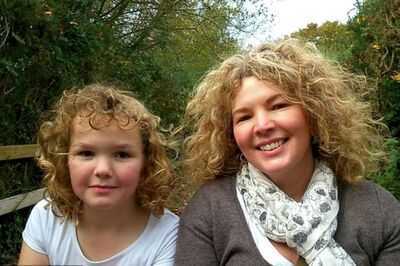
A British teenager with motor neurone disease has reportedly been denied access to a "miracle drug" which slows the decline caused by the condition.
Lillia Jakeman, 19, was told about new drug Tofersen shortly after her diagnosis of SOD1 MND in August but she has now become the victim of a postcode lottery. The drug is available for free in some parts of the country but not others and it happens that Lillia, who lives in Romsey, Hampshire, has allegedly been denied access.
The pharmaceutical company Biogen is providing the drug for free to the NHS, but the relevant trust must have the appropriate funding and staffing for it. University Hospital Southampton NHS Foundation Trust does not have these resources amid what it calls "challenging times".
Lillia and her family have described the situation as "unjust" and are continuing to put pressure on the NHS. The teen's stepmother, Dr Rachel Jakeman, said: "We want to try and sort treatment. It seems ridiculous that it is available for 42 people in the country but unavailable for 20. They are missing opportunities every single day."
• BBC Breakfast guest emotional as she opens up on 'horrendous' MND loss
• Five health studies on diet, flu risks, Alzheimer's and more that you need to know
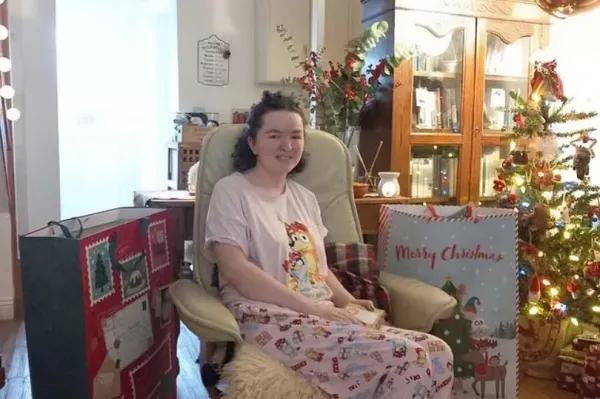
Lillia was diagnosed in August, however but her family said she has displayed symptoms for around four years. The rare condition progressively destroys nerve cells, causing muscle weakness which eventually leaves people affected in a wheelchair and causes difficulty with speaking, breathing and swallowing.
The disease is fatal but it progresses at different speeds in patients. Tofersen has been found to be highly effective at slowing down the progression of the disease. It, though, only works for patients who suffer a specific gene mutation of the condition, called SOD1, which affects around 100 people in the UK.
But Lillia's family found their hope crushed when they found University Hospital Southampton cannot offer Tofersen, administered as an intrathecal injection. Dr Jakeman continued: "She had a lot of difficulties, she had undiagnosed autism and the pandemic made it difficult to access services." The stepmum, who herself lives in Cirencester, Gloucestershire, told the Daily Mail the drug could stall the progression of the disease for several years.
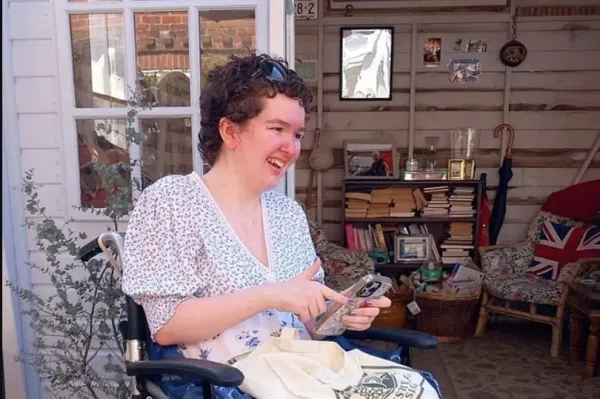
Researchers found that the monthly spinal injections led to patients reporting significantly better mobility and lung function after 12 months. A 45-year-old man, from Surrey, said he would have died by now had he not been given the drug shortly after his diagnosis in 2020.
Tim Wake, whose mother, grandmother and uncle all died from the condition, said last year: "I have not progressed in four years, which is staggering. Without it I would almost certainly have passed away, judging from what happened with my mother. I am getting to see the kids grow up, I have sustained my career and lived a fairly normal life."
In regards to Lillia's case, a spokesman for University Hospital Southampton said: "Like all NHS Trusts, we are facing challenging times and are required to live within our financial means. While this drug is currently being offered for free by a manufacturer through an early access programme, unfortunately we have not received any funding to pay for the increased service capacity we need to safely deliver this treatment and closely monitor a patient's ongoing progress.
"We have therefore made the difficult decision that we are unable to provide Tofersen at this time, because doing so would mean taking resources away from other patients.
"We understand this will be deeply disappointing to families affected. The Trust will work towards being able to offer this treatment as soon as possible, if and when it is approved by NICE and funding is made available from NHS England."
To donate to Lllia's appeal, visit this JustGiving link.
Contact to : xlf550402@gmail.com
Copyright © boyuanhulian 2020 - 2023. All Right Reserved.