
NHS information can help people be aware of the warning signs of skin cancer after television host Adrian Chiles opened up about a recent diagnosis. In his Guardian column, he described how a "thing" on his shoulder was identified as squamous cell carcinoma.
This is a relatively common form of non-melanoma skin cancer. Non-melanoma varieties are generally more manageable than melanoma since they typically don't spread to other parts of the body.
Nevertheless, treatment remains crucial as the condition can prove fatal if left unchecked. In his article, Adrian explained that the cancerous growth had been removed and "won't spread".
- Man hospitalised after 2kg steak and 2.5kg fish and chips eats 38 McNuggets
- All state pension and DWP benefit rises set for 2026 - what you need to know
The 58 year old said: "So not nothing, but not serious. Needs keeping an eye on."
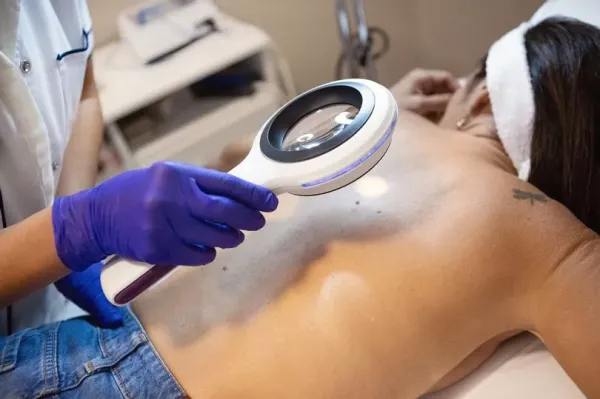 Signs to watch for
 With any medical condition, early detection of skin cancer significantly improves treatment outcomes. The NHS website has detailed the primary indicators of skin cancer to monitor.
It highlighted that the "main" sign of non-melanoma skin cancer is an abnormal growth or patch on the skin. Whilst any skin area can be affected, it most frequently occurs in sun-exposed regions, including the:
- Head, face and ears
- Neck and shoulders
- Back
- Hands
- Lower legs
"The growths or patches can vary in colour, size and texture," it stated. This means:
- Certain cancerous growths present as elevated and smooth with distinct borders
- Some tumours may exhibit a bumpier, rough or crusty texture
- Occasionally, skin cancer may manifest as a flat discoloured patch
- Cancerous patches can display a variety of hues, including purple, brown and red
- The patches may appear darker on brown or black skin
- At times, the patches may seem crusty and feel coarse or itchy

The health authority advises that you should consult a GP if:
- You notice a growth on your skin that's enlarging or has altered in colour or texture
- You have a growth or area of skin that causes discomfort, itching, bleeding, crusting or scabbing for more than four weeks
The NHS further stated: "Finding non-melanoma skin cancer early can mean it's easier to treat."
Melanoma skin cancerA less prevalent but more dangerous type of skin cancer is melanoma. This can metastasise or spread to other parts of the body.
The primary symptom of melanoma skin cancer is a new mole or a change in an existing mole. The NHS recommends being vigilant of:
- Moles with an irregular shape or edges
- Moles displaying a mix of colours
- Large moles - typically exceeding 6mm in width
- Moles that evolve over time
- Moles that are swollen and tender, bleeding, itchy, or crusty
The NHS insists that you must visit a GP if:
- You have a mole that's changed in size, shape or colour
- You have a mole that's causing pain or itchiness
- You have a mole that's inflamed, bleeding or crusty
- You have a new or unusual mark on your skin that has not disappeared after a few weeks
- You have a dark area under a nail that has not been caused by an injury
For further details, visit the NHS website here.
Contact to : xlf550402@gmail.com
Copyright © boyuanhulian 2020 - 2023. All Right Reserved.