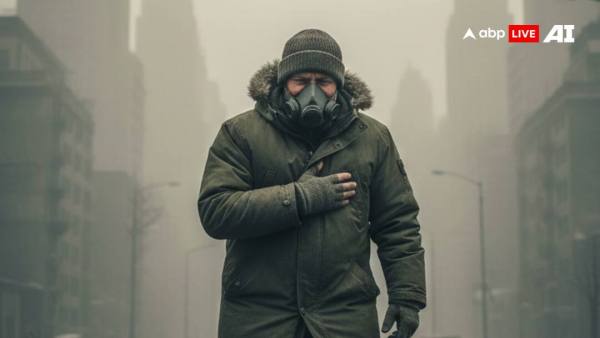
The end of 2025 has forced many of us to rethink how we look at pollution. For years, smog was seen as something that irritated the eyes, choked the throat or made the morning walk harder. This winter showed something more serious. In Delhi and Mumbai, a noticeable rise in people coming in with heart trouble after pollution levels shot up around the festive period was reported. The link between dirty air and heart complications, long discussed in medical circles, became visible in everyday life.
When The Air Turned Toxic, Heart Cases Picked Up
Right after Diwali, Delhi slipped into the severe zone again. Several monitoring stations crossed 300, and some readings went well above that. The air looked dull even in the afternoon. Hospitals and clinics saw more patients than usual. A large part of this group had breathing issues, but a steady share also complained of chest tightness, irregular heartbeat or sudden fatigue. These were not isolated incidents. It was observed that pollution spikes tend to bring heart patients back to the emergency room.
Mumbai, which usually escapes the kind of dense winter smog seen in Delhi, also struggled. The city recorded its worst air quality of the year during the festive days. The Hindu reported that older adults and people with existing heart conditions felt breathless even at home. Many reduced their movement completely. For a city used to relying on sea breeze for relief, this was a surprising and worrying turn.
Why Pollution Hits The Heart So Quickly
The biggest problem is PM2.5. These particles are too small for the body to filter out. They move past the nose and throat and settle deep inside the lungs. From there, they can enter the bloodstream. Once that happens, the body reacts. Blood vessels tighten. The heart begins to work harder to maintain supply. Blood pressure increases. If someone already has stiff arteries or reduced pumping capacity, this added pressure can turn into a serious episode.
Even short exposure is risky because the body’s response is immediate. People who inhaled polluted air for a few hours reported symptoms the same evening. For those with diabetes, hypertension or previous heart conditions, the margin of safety becomes very small. Long-term exposure adds another layer. Over months and years, dirty air contributes to plaque build-up. This narrows the arteries and increases the chance of a blockage.
The recent days made this clear. Patients who had been stable for months suddenly complained of discomfort. Some were surprised because they had not overexerted or changed their medication. Their only mistake was stepping outdoors on a day when the AQI had crossed the danger line.
Pollution Is No Longer Restricted To winter
Another point raised is that 2025 showed pollution is becoming a year-round challenge. Winter does make the situation worse, but poor air is now common even in other months because of construction dust, traffic and industrial activity. Crop burning adds to the load when wind patterns trap pollutants near the ground.
Indoor air is also not a safe zone. During the bad spell in Delhi, several families kept their windows shut, but it did not help much. Pollutants still entered homes and stayed trapped. Many patients with heart disease who avoided outdoor exposure still felt uneasy indoors. This means indoor filtration has to improve, especially in homes with elderly residents.
What People Can Do To Reduce The Risk
Check the AQI every day. If the number is poor, avoid outdoor activity. Choose early morning or late evening only if the air is relatively cleaner. Use masks that actually filter particles. Keep air purifiers on if the indoor reading climbs. And most importantly, stick to prescribed medication. Missing doses or delaying treatment can make the heart more vulnerable when pollution rises.
Any persistent chest heaviness, unusual tiredness or swelling should be checked early. Many patients ignore minor symptoms, thinking they will pass. During high pollution days, this can be dangerous.
A Turning Point For Public Health
What happened this year should not be treated as an annual inconvenience. The pattern is too clear. Pollution does not only affect the lungs. It places direct stress on the heart.
Cities will need stronger action. Cleaner transport, tighter control on emissions, better monitoring and transparent public alerts can reduce risk. But the larger shift will come only when pollution is treated as a public health issue and not an environmental formality.
If 2025 has taught us anything, it is this: toxic air is harming the heart far earlier than we thought. And unless the air improves, the number of people affected will only grow.
Dr. Vikas Kohli is Senior Pediatric Cardiologist and Founder of the Child Heart Foundation (CHF)
[Disclaimer: The information provided in the article, including treatment suggestions shared by doctors, is intended for general informational purposes only. It is not a substitute for professional medical advice, diagnosis, or treatment. Always seek the advice of your physician or other qualified healthcare provider with any questions you may have regarding a medical condition.]
Contact to : xlf550402@gmail.com
Copyright © boyuanhulian 2020 - 2023. All Right Reserved.