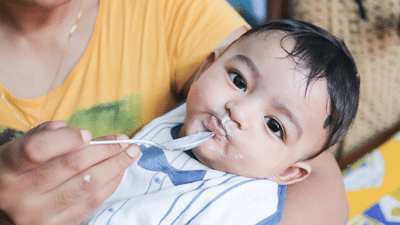
How Indian Parents Are Changing Toddler Nutrition with Confidence and Care in 2025
Every toddler’s feeding journey is a story of growth, independence, and discovery. Over the years, the way toddlers are fed has undergone significant changes. In India, family traditions mix with modern ideas, so feeding a toddler is not just about following strict rules. It’s about paying attention to cues, trusting your instincts, and choosing a balanced, mindful approach.
In 2025, there is a new focus on responsive feeding, where parents watch, adjust, and let toddlers take the lead. Here’s how new trends in weaning, self-feeding, and allergen introduction are changing toddler nutrition in Indian homes.
The New Face of Weaning
Baby-Led Weaning Takes the LeadWeaning, once a structured process of spoon-feeding mashed foods, is now evolving into a more interactive experience. In 2025, many Indian parents are opting for baby-led weaning (BLW), where toddlers begin feeding themselves soft, easy-to-hold foods from the start.
Why it’s trending:
Example:
A toddler might self-feed pieces of soft paratha while being spoon-fed a few spoons of dal or vegetable puree.
Self-Feeding: A Step Towards Independence
Mess Is the New MilestoneParents in 2025 are celebrating the
messy meals as signs of progress. Self-feeding teaches toddlers patience, control, and confidence.
Popular self-feeding practices in Indian homes:
how much a toddler eats to
how they experience food.
Modern feeding philosophy includes:
Allergen Introduction: Science Meets Sensitivity
Early Exposure, Safer FutureFor years, many parents delayed introducing allergenic foods like peanuts, eggs, or dairy. But new research has shifted this thinking. Paediatric experts now suggest that introducing allergens early, between 6 and 12 months, may actually
reduce the risk of developing allergies.
Common allergenic foods include:
A small spoon of well-cooked egg yolk or a peanut paste mixed with mashed banana may serve as a safe introduction.
Nutrition and Cultural Relevance
Returning to RootsIndian households are bringing traditional foods back into toddler meals. From ragi porridge to mung dal khichdi, ancient grains and pulses are returning to the table, and they are rich in iron, calcium, and fibre.
Top traditional toddler foods making waves in 2025:
Sustainable and Conscious Feeding
Eco-Friendly Choices for Tiny HandsParents today are increasingly mindful about what their toddlers eat
and how that food impacts the environment.
Sustainable feeding practices are gaining ground:
Technology with a Purpose
Digital Support, Human ConnectionIn 2025, technology plays a supportive yet balanced role. Many Indian parents use digital tracking tools to record feeding patterns or allergy responses, but they avoid over-dependence.
Smart practices include:
Whether you’re pregnant, a new mom, or navigating postpartum, you don’t have to do it alone. Join our support group
to connect, share, and support one another.
FAQs on Smart Feeding in 2025: How Indian Parents Are Changing Toddler Nutrition with Confidence and Care
How can I make toddler weaning easier when family members follow traditional feeding methods?
Begin by explaining the rationale behind your approach. You can slowly mix both traditions and modern ideas. For example, use traditional ingredients but follow responsive feeding principles, like serving mashed dal-chawal as finger food instead of spoon-feeding. Respecting elders’ advice while sharing current health information helps everyone feel involved and confident.
What if my toddler refuses to self-feed or tries only a few bites?
That’s perfectly natural. Toddlers often go through phases of exploration and resistance. Keep offering a variety of foods without pressure. Model eating by sharing meals together and showing enjoyment. Over time, toddlers learn by imitation. The key is consistency—trust that small steps lead to strong habits.
In 2025, there is a new focus on responsive feeding, where parents watch, adjust, and let toddlers take the lead. Here’s how new trends in weaning, self-feeding, and allergen introduction are changing toddler nutrition in Indian homes.
The New Face of Weaning
Baby-Led Weaning Takes the LeadWeaning, once a structured process of spoon-feeding mashed foods, is now evolving into a more interactive experience. In 2025, many Indian parents are opting for baby-led weaning (BLW), where toddlers begin feeding themselves soft, easy-to-hold foods from the start.
Why it’s trending:
- Encourages independence and curiosity with food.
- Helps toddlers explore textures, colours, and tastes naturally.
- Reduces the risk of picky eating later.
- Builds better hand-eye coordination.
- Offering soft-cooked vegetables, idlis, bananas, khichdi balls, and dal pancakes as first foods.
- Involving grandparents by combining traditional foods with modern feeding techniques.
- Emphasising safety—ensuring foods are soft, finger-sized, and supervised.
Example:
A toddler might self-feed pieces of soft paratha while being spoon-fed a few spoons of dal or vegetable puree.
Self-Feeding: A Step Towards Independence
Mess Is the New MilestoneParents in 2025 are celebrating the
messy meals as signs of progress. Self-feeding teaches toddlers patience, control, and confidence.
Popular self-feeding practices in Indian homes:
- Introducing spoons and pre-loaded spoons from 10–12 months.
- Offering small, easy-to-hold portions—like diced fruits, steamed vegetables, or rice balls.
- Using low-seated chairs or mats to allow freedom and reduce stress.
how much a toddler eats to
how they experience food.
Modern feeding philosophy includes:
- Respecting hunger and fullness cues.
- Eating together as a family whenever possible.
- Avoiding pressure, bribes, or distractions during meals.
- Creating calm environments—no TV, no rushing, no force-feeding.
Allergen Introduction: Science Meets Sensitivity
Early Exposure, Safer FutureFor years, many parents delayed introducing allergenic foods like peanuts, eggs, or dairy. But new research has shifted this thinking. Paediatric experts now suggest that introducing allergens early, between 6 and 12 months, may actually
reduce the risk of developing allergies.
Common allergenic foods include:
- Peanuts
- Eggs
- Dairy
- Wheat
- Soy
- Fish
- Introducing one allergenic food at a time, in small quantities.
- Observing for reactions for at least 3 days before introducing another.
- Consulting paediatricians before introducing high-risk foods if there’s a family allergy history.
A small spoon of well-cooked egg yolk or a peanut paste mixed with mashed banana may serve as a safe introduction.
Nutrition and Cultural Relevance
Returning to RootsIndian households are bringing traditional foods back into toddler meals. From ragi porridge to mung dal khichdi, ancient grains and pulses are returning to the table, and they are rich in iron, calcium, and fibre.
Top traditional toddler foods making waves in 2025:
- Ragi malt with fruit puree
- Moong dal chilla pieces
- Soft rice with ghee and mashed vegetables
- Idli with sambar (mildly spiced)
- Dalia with milk or curd
Sustainable and Conscious Feeding
Eco-Friendly Choices for Tiny HandsParents today are increasingly mindful about what their toddlers eat
and how that food impacts the environment.
Sustainable feeding practices are gaining ground:
- Choosing seasonal, locally grown produce.
- Use fewer plastic utensils and opt for stainless steel or bamboo alternatives instead.
- Preparing small portions to avoid food waste.
- Encouraging toddlers to value food and not treat it as a toy.
Technology with a Purpose
Digital Support, Human ConnectionIn 2025, technology plays a supportive yet balanced role. Many Indian parents use digital tracking tools to record feeding patterns or allergy responses, but they avoid over-dependence.
Smart practices include:
- Using feeding apps only as guides, not as rules.
- Consulting qualified nutritionists or paediatricians before following online trends.
- Prioritising honest conversations over digital comparisons.
Whether you’re pregnant, a new mom, or navigating postpartum, you don’t have to do it alone. Join our support group
to connect, share, and support one another.
FAQs on Smart Feeding in 2025: How Indian Parents Are Changing Toddler Nutrition with Confidence and Care
Begin by explaining the rationale behind your approach. You can slowly mix both traditions and modern ideas. For example, use traditional ingredients but follow responsive feeding principles, like serving mashed dal-chawal as finger food instead of spoon-feeding. Respecting elders’ advice while sharing current health information helps everyone feel involved and confident.
That’s perfectly natural. Toddlers often go through phases of exploration and resistance. Keep offering a variety of foods without pressure. Model eating by sharing meals together and showing enjoyment. Over time, toddlers learn by imitation. The key is consistency—trust that small steps lead to strong habits.
Contact to : xlf550402@gmail.com
Copyright © boyuanhulian 2020 - 2023. All Right Reserved.