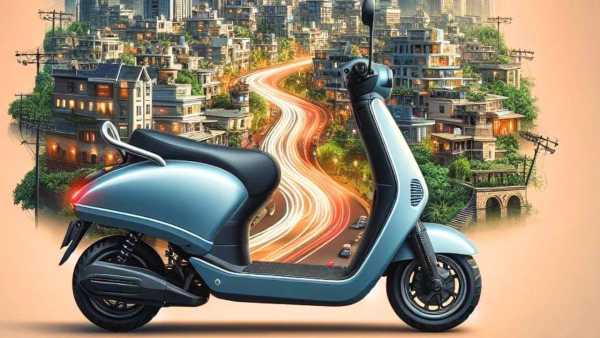
electric two wheeler
For the last three years, the registration of electric two-wheelers in India continued to increase. Monthly figures showed tremendous sales growth and experts were confidently saying that by the end of this decade, EV scooters will dominate the city streets. But now the latest figures that have come out tell a completely different story. What many people in the industry were considering a temporary slowdown, now seems to be becoming a clear trend. The boom in electric two-wheelers in India has now stopped and in some places sales seem to be going in the opposite direction.
If we look at this in the context of the entire two-wheeler market, the difference becomes more clear. India's total two-wheeler market, which is dominated by petrol-powered bikes and scooters, stood at sales of 25.2 lakh units in November 2025. This is a slight decline of only 3.94% compared to the high base of 2024. This can be called a seasonal decline, but one thing is clear, the ICE segment running on fossil fuel is showing stability, which the EV segment is not able to show.
Hero MotoCorp's position remains intact
Hero MotoCorp retained its number-1 position, followed by Honda and TVS. This indicates that even after the festive season is over, the demand for petrol two-wheelers remains stable. According to experts, while EVs were expected to challenge ICE by now, the ICE market actually appears to be stronger and more reliable.
In contrast, only 1.17 lakh electric two-wheelers were sold in India in November. This is a decline of 2.3% on year-on-year basis. This is a big blow for the segment which was once considered the fastest growing in the country.
The path became difficult for many companies
Today there are about 173 electric two-wheeler manufacturers in India. These numbers are a result of the enthusiasm after the FAME subsidy, easy venture funding and the belief that the EV wave will benefit everyone. But last month, sales of more than 46 of these companies were zero, while about 100 companies were able to sell less than 10 units of vehicles.
According to Ravi Bhatia, President of Jato Dynamics, many startups expanded very quickly based on subsidies and initial hype. But when there is no trust, service network and working capital, the common customer stays away from such companies.
The equations are changing even in big companies. Earlier Ola Electric was at the forefront, followed by TVS, Bajaj, Ather and Hero MotoCorp. But in 2025 the picture changed. Now TVS is number-1, followed by Bajaj and Ola at number three. Ather and Hero remain in the top-5.
Ather Energy CBO Ravneet Singh Phokela said
Our market share has increased due to the growing sales of Rizta family scooters and the rapid expansion of our dealer network. In the coming year, there are plans to focus on the premium segment, launch products on the new EL platform and increase manufacturing from a new plant in Chhatrapati Sambhajinagar. TVS Motor said in its recent earnings call that in the last three years, customers have started understanding the total cost (TCO) of EVs. Earlier EVs were limited to cities only, but now they are gradually reaching rural areas also.
Ola suffered the biggest blow
The decline of Ola Electric has been the most shocking. The market share of the company, once considered the face of India's EV revolution, fell from 42.5% to 18.3%. Frequent service complaints, quality issues, battery-related incidents and viral customer experiences on social media have damaged the company's reputation. At the same time, many small companies which had progressed with the help of government incentives, are now struggling with the strictness of the rules, supply problems and lack of money. Some have stopped production, while some have quietly exited the market. For first-time vehicle buyers, this instability creates hesitation in purchasing.
GST change became a big reason
The most important reason behind the slowdown seems to be the one from which EVs were expected to benefit. GST changes in September 2025. While GST on EVs remained at 5%, GST on petrol two-wheelers was reduced from 28% to 18%. According to a senior official of an EV company, due to this decision petrol scooters became cheaper in the showroom itself. On the other hand, EV companies have to pay higher taxes on batteries, semiconductors and power electronics. The result was that the difference in the initial price between the two increased to Rs 2025 thousand. Buyers in this segment pay more attention to EMI. Suddenly the petrol option started looking more attractive again.
Charging and reliability problems still persist
The real problems go deeper than this. The shift from bikes to scooters in cities and towns could benefit EVs, but the common customer has fewer reliable options. Confusion over resale value, financing issues and concerns about charging in apartments or rented homes still remain.
Battery technology also remains a hurdle. Battery swapping and battery-as-a-service have been discussed for years, but most EV two-wheelers still have fixed batteries. Without reliable charging facilities, EVs remain limited to cities and a difficult option for the common people.
In the words of Ravi Bhatia, the slowness of EV in India is not because of technology. After the GST changes, the price calculations have gone haywire, there is instability in the companies and there is no trust in finance and resale. Unless these three problems are solved simultaneously, the share of EVs will keep going up and down instead of increasing.
Contact to : xlf550402@gmail.com
Copyright © boyuanhulian 2020 - 2023. All Right Reserved.