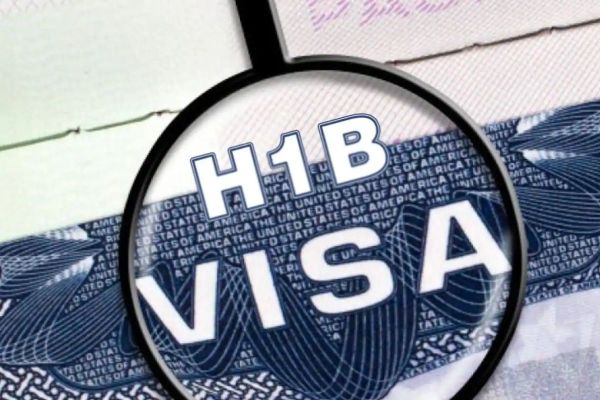
Starting Monday, December 15, the United States has introduced new security checks for those applying for H-1B work visas and their dependents on H-4 visas. This means applicants’ social media activity will now be reviewed as part of the visa screening process.
Until now, this kind of review mainly applied to students and exchange visitors with F, M, and J visas, but the rule has now expanded to cover H-1B holders too. The US State Department said this step is meant to improve background checks and help verify applicants’ details more accurately.
Visa Interviews Postponed After New Checks
Many applicants have seen their H-1B & H-4 visa interviews suddenly postponed to March 2026. Consulates are shifting appointments to allow time for these extra checks. For travellers planning a move to the US for work, this may mean longer wait times and last-minute schedule changes.
Why Social Media Checks Matters
The US government keeps repeating one point. A visa is a privilege, not a guaranteed right. Because of that, officers are now using every available source of information to decide whether someone should be allowed to enter the country. That includes the content you post online.
What this really means is that your online activity is now part of your visa file. Officers will look for anything that raises security concerns or suggests you might not follow the visa rules once you enter the country.
What the US Says About the New Rules
The State Department says the goal is simple. They want to make sure anyone coming to the US is not a threat to public safety or national security. They also want to confirm that applicants plan to follow the rules of their visa category, whether it is work, study, or training.
Every visa decision, the department says, is treated like a national security call. The message is clear: expect more detailed checks and be ready for longer processing times.
What This Means for Travellers
For many H-1B and H-4 applicants, social media screening adds another layer of pressure to an already complex process. It also puts the spotlight on how online behaviour can affect real-world travel plans.
The immediate impact is the interview delays, especially in busy countries like India. The longer-term impact is that applicants must be more aware of how their public posts may be interpreted during a visa review.
Quick Tips for Applicants
- Keep your social media clean and consistent with your visa purpose.
- Set your accounts to public if required, at least during the review process.
- Expect possible interview rescheduling.
- Prepare properly so delays do not affect travel timelines or job start dates.
A Tighter Approach to US Immigration
This new social media directive is part of the Trump administration’s ongoing effort to tighten immigration controls. While many view it as a move toward stronger security, others are concerned that it may discourage skilled professionals from applying for US work visas.
For now, travellers and applicants should stay informed about interview schedules, keep communication honest, and anticipate more thorough checks before approval.
Follow and connect with us on Facebook, Twitter, LinkedIn, Instagram and Google News for the latest travel news and updates!
Contact to : xlf550402@gmail.com
Copyright © boyuanhulian 2020 - 2023. All Right Reserved.