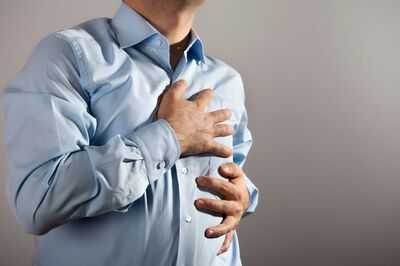
Every three minutes someone in the UK dies of heart disease. According to the British Heart Foundation, coronary heart disease is the single biggest killer of both men and women worldwide, and is responsible for 480 deaths in the UK every day, or more than 170,000 per year.
It is also the most common cause of heart attacks. One doctor has said 90 per cent of heart attacks can be traced back to one morning habit - and it's not food or stress.
Dr Sana Sadoxai, who has more than 42,000 followers on TikTok, where she regularly shares medical guidance, recently posted a video explaining how your morning routine could be increasing your risk of suffering a heart attack. "The real danger starts the moment you wake up and stay still," she said.
- NHS fruit juice warning to millions on statins, amlodipine and anxiety meds in UK
- NHS metformin warning to 'dial 999' if you have one unexpected symptom
"Most people go from bed to phone, to sitting, to rushing out, keeping the body in a low-movement, high-inflammation state. This one habit secretly accelerates insulin resistance, belly fat accumulation, high blood pressure, silent inflammation, (and) metabolic dysfunction, all of which dramatically increase the risk of early heart attacks, especially if you are overweight or obese.
"Just five to seven minutes of morning movement - brisk walking, stretching, breathing exercises - boosts circulation, activates metabolism, stabilises sugar levels, and protects your heart more than people realise. Your weight, your metabolism, and your heart are deeply connected, ignoring this morning habit is a silent threat. Changing it is lifesaving.
"If you're struggling with obesity, stubborn belly fat, breathlessness, diabetes, or fatigue, these are early metabolic warning signs you should not ignore. Take control before it becomes a cardiac risk!!"
Replying to the video, one TikTok user said: "Basically getting up and rushing to work is killing us."
Another said: "I wake up, have a cup of tea, relax drinking it for 30 minutes, and then get ready for work. I think you give sound advice."
According to the NHS, a heart attack, also called a myocardial infarction, is when the supply of blood to the heart is blocked, usually by a blood clot. In the UK around 100,000 hospital admissions every year - an average of one every five minutes - are due to heart attacks.
The most common symptom of a heart attack is chest pain, including a feeling of pressure, heaviness, tightness, or squeezing, the NHS says, but other signs include:
- Pain in other parts of the body, most commonly the left arm, but also the right arm, jaw, neck, back, and stomach.
- Feeling lightheaded or dizzy
- Sweating
- Shortness of breath
- Feeling sick or vomiting
- An overwhelming feeling of anxiety, similar to a panic attack
- Coughing or wheezing
If someone is suffering a heart attack it is important to call 999 immediately and ask for an ambulance, the NHS says. While waiting for the ambulance to arrive, a 300mg tablet of aspirin may help in the short term - as long as the person is not allergic to the medication - as it helps improve blood flow and thin the blood.
People who have suffered heart attacks may be given medication to dissolve blood clots, or in some cases surgery may be necessary.
Ways to reduce the risk of suffering a heart attack include quitting smoking and losing weight, as well as eating a low-fat, high-fibre diet, including wholegrains and at least five portions of fruit and vegetables per day. The NHS also recommends adults should do at least 150 minutes, or two hours and 30 minutes, of moderate-intensity aerobic exercise every week.
Contact to : xlf550402@gmail.com
Copyright © boyuanhulian 2020 - 2023. All Right Reserved.