Love beans but hate the bloating: The 'soak-and-spice' method that really eases gas and improves digestion
Beans are a staple in many Indian households, valued for their protein, fibre, and slow-release energy. Yet dishes like rajma, chole, moong, black beans, and lobhia often leave people feeling gassy, bloated, or uncomfortably full. This reaction isn’t a sign of poor digestion; it’s simply the result of natural carbohydrates and fibres that your gut struggles to break down without the right preparation. The good news is that these effects can be significantly reduced with a few simple, science-supported techniques. Traditional practices such as soaking beans, discarding the soaking water, pressure-cooking them thoroughly, and adding digestive spices genuinely make them easier on the stomach. This guide explains why beans cause bloating and how the soak-and-spice method can help you enjoy them without discomfort.
Why beans cause bloating: Understanding the science behind gas
According to a , raffinose, stachyose, and verbascose (oligosaccharides found in beans) remain undigested in the small intestine due to the absence of α-galactosidase, and are fermented by gut bacteria in the colon, producing gas. When the amount of gas increases, it can lead to bloating, abdominal cramps, and flatulence.
The outer skin of beans also contains insoluble fibre, which supports long-term gut health but can create a temporary feeling of fullness or distension, especially if the beans are undercooked or eaten in large portions. People with sensitive digestion, IBS, or irregular eating patterns tend to experience these symptoms more intensely. In essence, beans aren’t “bad for digestion”; they simply need the right soaking, cooking, and seasoning methods to reduce fermentable compounds and make them gentler on the gut. Gradually increasing bean intake can also help the gut adapt, allowing beneficial bacteria to adjust over time. This reduces bloating episodes and enables individuals to enjoy beans regularly without significant digestive discomfort. Pairing beans with ginger, cumin, or asafoetida can further ease digestion, as these spices help reduce gas formation and support smoother breakdown of fibres, making meals feel lighter and more comfortable overall.
How soaking beans cuts gas and bloating : A simple, proven method
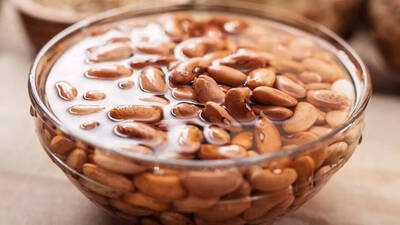
Beans are among the healthiest foods you can eat, yet many people avoid rajma, chole, moong, black beans, and lobhia because of the bloating and gas they sometimes cause. This reaction happens when certain carbohydrates in beans pass undigested into the large intestine, where gut bacteria ferment them and release gas. One of the most reliable ways to reduce this effect is soaking. A found that soaking common beans (and discarding the soak water) significantly lowers the levels of oligosaccharides associated with flatulence. When beans are soaked in water for several hours, their tough outer layer softens and the gas-producing oligosaccharides slowly leach into the water. Discarding this water removes a significant portion of these compounds. Larger beans like rajma and chole need 8–12 hours of soaking, while smaller ones need 4–6 hours. Even a one-hour quick-soak helps. With proper soaking, cooking, and spices, beans become far easier to digest.
The role of cooking in reducing gas: Why undercooked beans cause trouble
Cooking beans thoroughly is essential because undercooked beans are far more difficult for the digestive system to break down. Proper cooking softens their tough fibres and starches, reduces lectins (which can irritate the gut), and ensures the beans become tender enough to digest comfortably. In most Indian households, pressure-cooking is the most reliable method to achieve this. Rajma generally needs 25–30 minutes (6–7 whistles), chole 30–35 minutes (7–8 whistles), black beans 20–25 minutes (5–6 whistles), whole moong and lobhia around 12–15 minutes (3–4 whistles each), and dry peas about 18–20 minutes (5 whistles). It is also important to avoid adding acidic ingredients like tomatoes, tamarind, lemon, or vinegar at the start, as they slow down softening and leave the beans firmer and more likely to cause bloating. Add sour ingredients only once the beans are fully cooked.
The ‘soak & spice’ method: How hing, ajwain , and ginger reduce gas
Traditional Indian cooking relies on digestive spices for a reason. These spices contain natural compounds that help break down carbohydrates, relax intestinal muscles, and reduce fermentation.
Temper cumin, ajwain, and hing in warm ghee or oil until they release their aroma. Add this tempering to your cooked beans or use it at the start of your curry base. This method infuses flavour while making the beans lighter on the stomach.
Portion sizes that prevent bloating
Even perfectly prepared beans can cause discomfort if eaten in excess. Beans are naturally high in fibre, so your gut needs time to adapt. Easy portion guidelines:
A gradual increase is key; your gut microbiome becomes stronger and better at handling high-fibre foods when introduced slowly. The combination of soaking, proper pressure-cooking, and digestive spices is scientifically and traditionally proven to reduce bean-related bloating. With the soak-and-spice method, you can continue enjoying the flavour, nutrition, and heart-healthy benefits of beans without discomfort. Therefore, gradually incorporating different types of beans and pairing them with fibre-friendly vegetables can further enhance digestion.
Disclaimer: This article is for general informational purposes only and is not a substitute for professional medical advice, diagnosis, or treatment. Always seek the guidance of a qualified healthcare provider regarding any medical condition or lifestyle change.
Also Read:
Why beans cause bloating: Understanding the science behind gas
According to a , raffinose, stachyose, and verbascose (oligosaccharides found in beans) remain undigested in the small intestine due to the absence of α-galactosidase, and are fermented by gut bacteria in the colon, producing gas. When the amount of gas increases, it can lead to bloating, abdominal cramps, and flatulence.
The outer skin of beans also contains insoluble fibre, which supports long-term gut health but can create a temporary feeling of fullness or distension, especially if the beans are undercooked or eaten in large portions. People with sensitive digestion, IBS, or irregular eating patterns tend to experience these symptoms more intensely. In essence, beans aren’t “bad for digestion”; they simply need the right soaking, cooking, and seasoning methods to reduce fermentable compounds and make them gentler on the gut. Gradually increasing bean intake can also help the gut adapt, allowing beneficial bacteria to adjust over time. This reduces bloating episodes and enables individuals to enjoy beans regularly without significant digestive discomfort. Pairing beans with ginger, cumin, or asafoetida can further ease digestion, as these spices help reduce gas formation and support smoother breakdown of fibres, making meals feel lighter and more comfortable overall.
How soaking beans cuts gas and bloating : A simple, proven method
Beans are among the healthiest foods you can eat, yet many people avoid rajma, chole, moong, black beans, and lobhia because of the bloating and gas they sometimes cause. This reaction happens when certain carbohydrates in beans pass undigested into the large intestine, where gut bacteria ferment them and release gas. One of the most reliable ways to reduce this effect is soaking. A found that soaking common beans (and discarding the soak water) significantly lowers the levels of oligosaccharides associated with flatulence. When beans are soaked in water for several hours, their tough outer layer softens and the gas-producing oligosaccharides slowly leach into the water. Discarding this water removes a significant portion of these compounds. Larger beans like rajma and chole need 8–12 hours of soaking, while smaller ones need 4–6 hours. Even a one-hour quick-soak helps. With proper soaking, cooking, and spices, beans become far easier to digest.
The role of cooking in reducing gas: Why undercooked beans cause trouble
Cooking beans thoroughly is essential because undercooked beans are far more difficult for the digestive system to break down. Proper cooking softens their tough fibres and starches, reduces lectins (which can irritate the gut), and ensures the beans become tender enough to digest comfortably. In most Indian households, pressure-cooking is the most reliable method to achieve this. Rajma generally needs 25–30 minutes (6–7 whistles), chole 30–35 minutes (7–8 whistles), black beans 20–25 minutes (5–6 whistles), whole moong and lobhia around 12–15 minutes (3–4 whistles each), and dry peas about 18–20 minutes (5 whistles). It is also important to avoid adding acidic ingredients like tomatoes, tamarind, lemon, or vinegar at the start, as they slow down softening and leave the beans firmer and more likely to cause bloating. Add sour ingredients only once the beans are fully cooked.
The ‘soak & spice’ method: How hing, ajwain , and ginger reduce gas
Traditional Indian cooking relies on digestive spices for a reason. These spices contain natural compounds that help break down carbohydrates, relax intestinal muscles, and reduce fermentation.
- Hing (asafoetida): Hing is one of the most effective digestive aids in Indian cooking. Its sulphur-based compounds help break down gas-producing carbohydrates in beans, preventing excess fermentation in the gut. Even a tiny pinch added to the tempering can significantly reduce bloating and discomfort.
- Ajwain (carom seeds): Ajwain contains thymol, a powerful compound that increases digestive enzyme activity. This helps the stomach and small intestine break down tough starches and fibres found in beans, making them easier to process and reducing the chance of gas build-up.
- Cumin seeds: Cumin supports digestion by stimulating bile production, which helps the body break down fats and improves the overall movement of food through the gut. This prevents the sluggish, heavy feeling that often follows bean-based meals.
- Ginger: Ginger’s gingerols help relax the gastrointestinal tract, promote faster stomach emptying, and reduce intestinal cramping. This makes beans feel lighter on the stomach and minimises the bloated sensation that some people experience.
- Bay leaf: Bay leaf releases subtle aromatic oils during cooking that help reduce heaviness and aid digestion. It is traditionally added to slow-cooked dishes like rajma and chole because it can gently ease bloating while enhancing flavour.
Temper cumin, ajwain, and hing in warm ghee or oil until they release their aroma. Add this tempering to your cooked beans or use it at the start of your curry base. This method infuses flavour while making the beans lighter on the stomach.
Portion sizes that prevent bloating
Even perfectly prepared beans can cause discomfort if eaten in excess. Beans are naturally high in fibre, so your gut needs time to adapt. Easy portion guidelines:
- Start with ½ cup cooked beans if you have a sensitive stomach.
- Most people can comfortably digest ¾–1 cup cooked beans per meal.
- Pair beans with whole grains (brown rice, chapati), leafy greens , or ginger-based dishes to balance the heaviness.
- Avoid pairing beans with oily or fried foods during the same meal, as this slows digestion and increases bloating.
A gradual increase is key; your gut microbiome becomes stronger and better at handling high-fibre foods when introduced slowly. The combination of soaking, proper pressure-cooking, and digestive spices is scientifically and traditionally proven to reduce bean-related bloating. With the soak-and-spice method, you can continue enjoying the flavour, nutrition, and heart-healthy benefits of beans without discomfort. Therefore, gradually incorporating different types of beans and pairing them with fibre-friendly vegetables can further enhance digestion.
Disclaimer: This article is for general informational purposes only and is not a substitute for professional medical advice, diagnosis, or treatment. Always seek the guidance of a qualified healthcare provider regarding any medical condition or lifestyle change.
Also Read:
Contact to : xlf550402@gmail.com
Copyright © boyuanhulian 2020 - 2023. All Right Reserved.