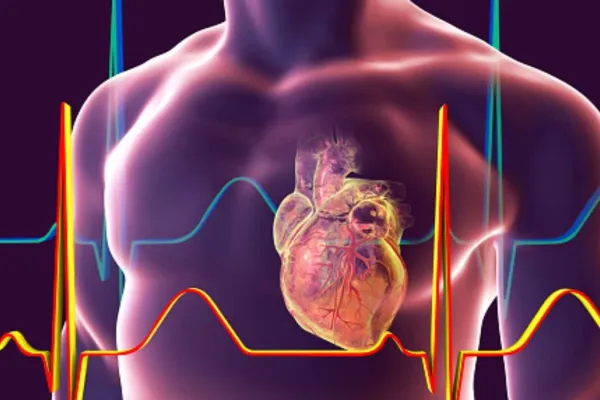
Explained: The Science Behind Early-Morning Heart Attacks In The Younger Generation
Heart attacks are no longer confined to old age. Over the past decade, cardiologists have noticed a worrying shift: younger adults, often in their 30s and 40s, are experiencing cardiac events with little warning.
Even more concerning is the timing. A significant number of these heart attacks occur in the early morning hours, typically between 5 AM and 11 AM - a window when most people assume they are at their healthiest.
This pattern isn't random. It is closely tied to how the human body transitions from sleep to wakefulness, a process that places sudden physiological stress on the heart, especially in individuals with hidden risk factors.
What Happens To The Heart When You Wake Up
According to cardiologists, the body undergoes a dramatic internal shift soon after waking. "Nearly 40 per cent of heart attacks occur within the first three to four hours of waking up," explains Dr. Ruchit Shah, Interventional Cardiologist at Saifee Hospital, Mumbai. He points out that this period is also linked to a higher risk of sudden cardiac arrest and death.
One major driver is the surge of cortisol - the body's primary stress hormone. "Cortisol is released within 30 to 45 minutes after waking, leading to a rise in blood pressure, heart rate and vascular tone, while reducing heart rate variability," Dr. Shah says. This hormonal spike prepares the body for activity, but it also increases strain on the heart.
Dr. Abhijit Khadtare, Cardiologist at Ruby Hall Clinic, Pune, adds that adrenaline levels also rise sharply in the morning. "These hormones increase the workload on the heart. In someone with underlying plaque buildup or inflamed arteries, this sudden surge can trigger a heart attack," he notes.
Blood Clots, Narrowed Arteries, And Morning Risk
Another key factor lies in how blood behaves early in the day. "Platelets, which help blood clot, are more active during early morning hours," explains Dr. Khadtare. At the same time, the body's natural clot-dissolving ability is lower, increasing the likelihood of a clot blocking a coronary artery.
Dr. Shah highlights that morning hours are also associated with increased vascular tone. "There is higher platelet aggregation along with elevated vascular constriction, which raises shear stress on vulnerable plaques," he says. This combination makes plaque rupture - the most common cause of heart attacks - more likely.
Overnight dehydration further thickens the blood, especially in those who consume alcohol, smoke, or sleep poorly.
Why Young Adults Are Especially Vulnerable
Lifestyle choices amplify these biological risks. "Smoking, alcohol consumption, lack of sleep, dehydration, high stress and sedentary habits make morning cardiovascular stress more dangerous in young adults," says Dr. Khadtare. Sudden exertion after waking, such as rushing to work or doing intense workouts without warming up, can also act as a trigger.
Chronic stress and sleep deprivation play a central role. Dr. Shah explains that heightened sympathetic nervous system activity in the morning increases blood pressure and vascular stress. "In susceptible individuals, this can result in plaque rupture and trigger a heart attack," he says.
How To Reduce Morning Heart Attack Risk
Prevention, experts agree, is possible. Managing sleep, stress and hydration is crucial. "Drinking water soon after waking and avoiding tobacco and excessive alcohol can significantly reduce risk," says Dr. Shah. He also emphasises the importance of timing blood pressure medications to control the early-morning surge. Dr. Khadtare recommends regular exercise, adequate sleep and periodic heart check-ups, especially for those with a family history of heart disease.
The early-morning hours place unique stress on the heart - a reality many young adults underestimate. Understanding this risk window and making simple lifestyle adjustments can go a long way in preventing heart attacks. In a world that glorifies hustle and early starts, listening to your body in the first hours of the day may be one of the most powerful steps toward long-term heart health.
Contact to : xlf550402@gmail.com
Copyright © boyuanhulian 2020 - 2023. All Right Reserved.