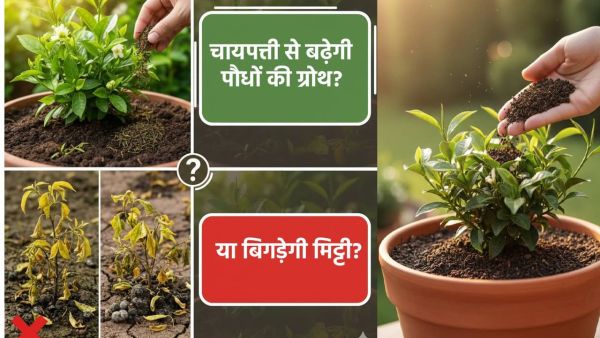
Tea leaves can act as natural fertilizer for plants, but their proper use is important. Adding a limited amount of used, washed and dried tea leaves can improve soil health and plant growth.
Tea Leaves for Plants: People who plant plants in pots at home often use kitchen waste as fertilizer. Tea is made in almost every Indian household, and it is a common question whether it is okay to add leftover tea leaves to plants or not. According to experts, tea leaves can be beneficial, but only when they are used properly and in limited quantities.
Why are tea leaves considered beneficial for plants?
Tea leaves naturally contain nitrogen, potassium and organic substances, which help in the growth of plants. They make the soil loose, allowing air and water to reach the roots easily. Additionally, tea leaves attract earthworms to the soil, which play an important role in increasing soil fertility. Tea leaves in limited quantity are considered beneficial for plants like rose, money plant, jasmine and fern.
What can be the disadvantages of using it wrongly?
Experts say that tea leaves are acidic. If they are put in the pot without washing, in wet condition or in large quantities, it can disturb the pH balance of the soil. Tea leaves containing milk, sugar or salt can damage the roots of plants and also increase the problem of fungus, insects and mosquitoes. It is advisable to avoid adding tea leaves to plants like cactus, succulents, basil and aloe vera.
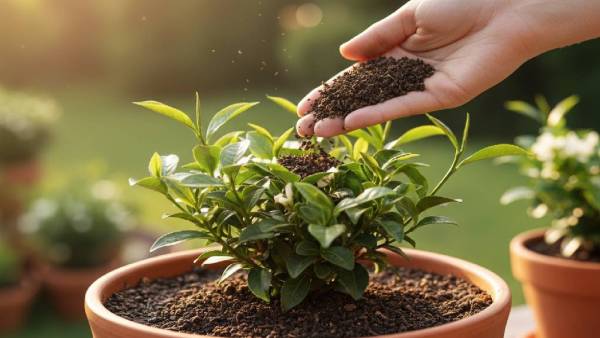
What is the correct way to steep tea leaves?
Always use used tea leaves for plants. First, wash the tea leaves 2-3 times with clean water to remove residual caffeine, milk and salt. After washing, it is important to dry the tea leaves thoroughly in the sun for 1-2 days. Mix them into the soil only after they have dried; Don't pile them on top.
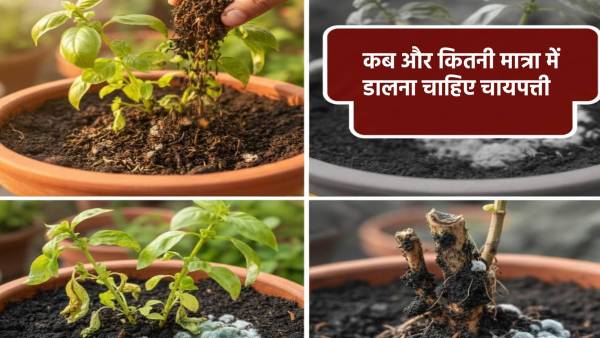
When and in what quantity should they be added?
Using tea leaves as fertilizer once every 15-20 days is enough. For small pots, 1-2 teaspoons of tea leaves are enough, and for big pots, 3-4 teaspoons are enough. This provides nutrients to the plants without any harm.
What is the best way?
Gardening experts believe that using tea leaves in compost instead of putting them directly in the pot is the safest and most effective method. This provides balanced nutrition to the plants and also maintains the health of the soil.
Contact to : xlf550402@gmail.com
Copyright © boyuanhulian 2020 - 2023. All Right Reserved.