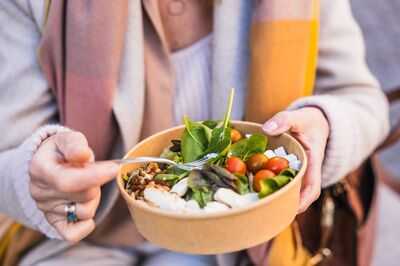
People onblood thinners, also known as anticoagulants, have been warned that apopular healthy vegetable could interfere with their medication, a doctor has cautioned. These drugs are commonly prescribed to prevent blood clots in those at heightened risk, including individuals facing increased chances of heart attacks or strokes.
Medications such as rivaroxaban, apixaban, and warfarin work by disrupting the clotting process and are crucial in preventing serious conditions including strokes, heart attacks, pulmonary embolism, and deep vein thrombosis.
However, despite their benefits, patients have been alerted that an everyday vegetable found in many gardens could compromise the effectiveness of these life-saving drugs. The warning comes from Dr Chris Steele, who appeared on ITV's This Morning to discuss how various foods can interact with different medications.
- Mystery disease sweeps globe amid warning virus is 'untreatable'
- Oncologist says pill millions take daily increases cancer risk up to 30 per cent
Among his warnings, he explained: "Leafy greens are high in vitamin K, which helps blood to clot. Warfarin is designed to prevent the production of vitamin K - so if you suddenly eat more greens, this will interfere with the medicine.
"Other foods high in vitamin K include green vegetables, egg yolks, chickpeas and lentils. They shouldn't be cut out of the diet entirely, but it's important to eat a steady and consistent amount of vitamin K-rich foods.
"Also avoid large amounts of cranberry juice or cranberry products while using anticoagulants, because they can change the effects of warfarin, and limit garlic and ginger because they can increase the chance of bleeding."
Other foods that can interact with drugs
Dr Chris also highlighted that a number of other drugs can have unintended interactions with certain food and drinks. For example, he noted that some antibiotics such as ciprofloxacin, can mix with milk.
He said: "Calcium can interfere with the effects of some antibiotics, so you shouldn't take these at the same time as eating foods high in calcium, like milk, yoghurt or cheese. Supplements containing calcium should also be avoided for a few hours before and after taking these antibiotics.
"Don't drink it when you take some antibiotics including tetracycline, ciprofloxacin (quinolone antibiotics), and certain osteoporosis medication, such as alendronate (Fosamax)."
He also recommended to avoid the following if you take certain drugs:
- Grapefruit if you take statins for high blood pressure
- Black liquorice if you take certain heart medicines such as digoxin
- Bananas if you take certain ACE inhibitors for high blood pressure
- Coffee if you take bronchodilators for asthma
- Smoked salmon and salami if you take antidepressants
- Limies if you take cough medicine
Dr Chris emphasised: "You should always ask your doctor about precautions you should take while being prescribed any new medication. Avoiding certain foods, altering your lifestyle habits, or taking other precautions might be necessary to avoid undesirable side effects."
Contact to : xlf550402@gmail.com
Copyright © boyuanhulian 2020 - 2023. All Right Reserved.