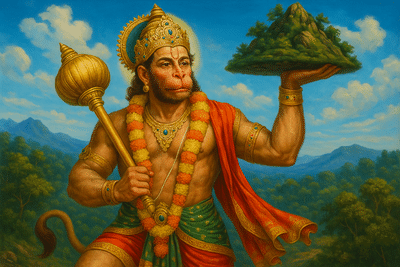
8 Hanuman Temples Where Devotees Report Miracles Even Today
“Manojavam Marutatulyavegam…” People rarely walk into a Hanuman temple looking for spectacle. They come when effort feels endless, when courage is present but tired, and when answers exist yet confidence does not. Across India, Hanuman is not worshipped as a wish-granting deity, but as the embodiment of quiet strength. He represents the ability to continue when outcomes are uncertain and support feels thin.
Scholars who study Indian devotional culture observe that Hanuman’s appeal lies in his humanity as much as his divinity. He doubts, he serves, he obeys, and yet he becomes unstoppable. This makes him deeply relatable to everyday struggles. Over centuries, certain Hanuman temples have earned a reputation not through dramatic claims, but through repetition of shared experience. Generations of devotees describe similar changes after visiting these places. Fear loosens its grip. The mind steadies. Resolve returns.
1) Sankat Mochan Hanuman Temple

Devotees associate this temple with relief from mental stress, fear, and recurring obstacles. The atmosphere emphasizes devotion through recitation rather than ritual complexity. Hanuman Chalisa and Ram bhajans dominate the space, creating a sense of emotional grounding. Many visitors describe leaving with clarity rather than solutions, which itself becomes the turning point.
2) Hanuman Garhi Hanuman Garhi stands on an elevated structure near the Ram Janmabhoomi area. According to tradition, Hanuman resides here as the guardian of Ayodhya. A strong belief persists that one should seek Hanuman’s blessings before approaching Lord Ram.
The temple’s fortress-like architecture reinforces the symbolism of protection. Devotees associate Hanuman Garhi with family stability, safeguarding of homes, and protection from unseen dangers. Many believe the temple strengthens emotional resilience during periods of personal loss or responsibility.
3) Mahavir Mandir
 Situated near Patna Junction, Mahavir Mandir is one of the most crowded temples in eastern India. Its accessibility and disciplined management make it unique. Devotees often visit before exams, medical procedures, legal matters, and major life decisions.
The belief here centers on discipline and surrender. Standing in long queues becomes part of the devotion. Many devotees report a sense of calm replacing anxiety, especially during times of uncertainty. The temple has become symbolic of hope for people navigating pressure-filled situations.
4) Mehandipur Balaji Temple Mehandipur Balaji is unlike any other Hanuman temple in India. It is widely associated with relief from psychological distress, persistent fear, and unexplained suffering. The rituals performed here are intense and emotionally charged, following strict traditional procedures.
Devotees believe this temple addresses problems that seem beyond rational explanation. The experience is demanding and not suited for casual visits. Importantly, religious authorities themselves emphasize that spiritual practices should not replace medical or psychological care. Faith here operates alongside responsibility, not in opposition to it.
5) Salasar Balaji Temple

This temple is deeply associated with vows and commitments. Devotees believe that sincere promises made here bring resolution to delayed goals. The focus is not instant fulfillment but gradual clearing of obstacles. Many describe the experience as strengthening resolve rather than granting shortcuts.
6) Jakhoo Hanuman Temple Located atop Jakhoo Hill, this temple marks the spot where Hanuman is believed to have rested during his journey to fetch the Sanjeevani herb. The towering Hanuman statue visible across Shimla reinforces the idea of vigilance and protection.
Reaching the temple requires physical effort, which itself becomes symbolic. Devotees associate Jakhoo Hanuman with overcoming fear, self-doubt, and inner weakness. The height, silence, and panoramic views contribute to a feeling of perspective, making personal problems feel smaller.
7) Namakkal Anjaneyar Temple The Namakkal Anjaneyar Temple features an 18-foot tall Hanuman idol standing under open sky. This form emphasizes strength, stability, and unwavering presence. The temple is closely connected with the Narasimha shrine nearby, adding to its spiritual significance.
Devotees associate this temple with discipline, determination, and consistency. It attracts those seeking mental strength to stay committed during long struggles. The sheer scale of the idol reinforces the feeling of protection and inner steadiness.
8) Karmanghat Hanuman Temple Karmanghat Hanuman Temple is believed to date back to the 12th century. The name itself implies that sincere effort is protected here. The temple is known for Hanuman in a meditative form, emphasizing inner strength rather than outward power.
Devotees link this temple with professional challenges, delayed success, and ethical dilemmas. The belief centers on perseverance and rightful action. Many visitors describe renewed confidence in their efforts after visiting, even when outcomes remain uncertain.
Scholars who study Indian devotional culture observe that Hanuman’s appeal lies in his humanity as much as his divinity. He doubts, he serves, he obeys, and yet he becomes unstoppable. This makes him deeply relatable to everyday struggles. Over centuries, certain Hanuman temples have earned a reputation not through dramatic claims, but through repetition of shared experience. Generations of devotees describe similar changes after visiting these places. Fear loosens its grip. The mind steadies. Resolve returns.
1) Sankat Mochan Hanuman Temple
Varanasi, Sept 7 (ANI): Sankatmochan Hanuman Temple observes a partial lunar eclipse (Bhadrapad Shukla) as temple doors close after the afternoon aarti, in Varanasi on Sunday. (ANI Photo)
Sankat Mochan literally means remover of troubles. Located in the spiritual heart of Varanasi, this temple is traditionally believed to have been established by Tulsidas, the author of the Ramcharitmanas. Over centuries, it has become one of the most visited Hanuman temples in India.Devotees associate this temple with relief from mental stress, fear, and recurring obstacles. The atmosphere emphasizes devotion through recitation rather than ritual complexity. Hanuman Chalisa and Ram bhajans dominate the space, creating a sense of emotional grounding. Many visitors describe leaving with clarity rather than solutions, which itself becomes the turning point.
2) Hanuman Garhi Hanuman Garhi stands on an elevated structure near the Ram Janmabhoomi area. According to tradition, Hanuman resides here as the guardian of Ayodhya. A strong belief persists that one should seek Hanuman’s blessings before approaching Lord Ram.
The temple’s fortress-like architecture reinforces the symbolism of protection. Devotees associate Hanuman Garhi with family stability, safeguarding of homes, and protection from unseen dangers. Many believe the temple strengthens emotional resilience during periods of personal loss or responsibility.
3) Mahavir Mandir
Situated near Patna Junction, Mahavir Mandir is one of the most crowded temples in eastern India. Its accessibility and disciplined management make it unique. Devotees often visit before exams, medical procedures, legal matters, and major life decisions. The belief here centers on discipline and surrender. Standing in long queues becomes part of the devotion. Many devotees report a sense of calm replacing anxiety, especially during times of uncertainty. The temple has become symbolic of hope for people navigating pressure-filled situations.
4) Mehandipur Balaji Temple Mehandipur Balaji is unlike any other Hanuman temple in India. It is widely associated with relief from psychological distress, persistent fear, and unexplained suffering. The rituals performed here are intense and emotionally charged, following strict traditional procedures.
Devotees believe this temple addresses problems that seem beyond rational explanation. The experience is demanding and not suited for casual visits. Importantly, religious authorities themselves emphasize that spiritual practices should not replace medical or psychological care. Faith here operates alongside responsibility, not in opposition to it.
5) Salasar Balaji Temple
Delhi CM Rekha Gupta offers prayers at Shri Salasar Balaji temple in Rajasthan's Churu
Salasar Balaji is one of the most prominent pilgrimage centers in Rajasthan. The Hanuman idol here is distinct, featuring a bearded and moustached form. According to tradition, the idol manifested naturally and was later consecrated.This temple is deeply associated with vows and commitments. Devotees believe that sincere promises made here bring resolution to delayed goals. The focus is not instant fulfillment but gradual clearing of obstacles. Many describe the experience as strengthening resolve rather than granting shortcuts.
6) Jakhoo Hanuman Temple Located atop Jakhoo Hill, this temple marks the spot where Hanuman is believed to have rested during his journey to fetch the Sanjeevani herb. The towering Hanuman statue visible across Shimla reinforces the idea of vigilance and protection.
Reaching the temple requires physical effort, which itself becomes symbolic. Devotees associate Jakhoo Hanuman with overcoming fear, self-doubt, and inner weakness. The height, silence, and panoramic views contribute to a feeling of perspective, making personal problems feel smaller.
7) Namakkal Anjaneyar Temple The Namakkal Anjaneyar Temple features an 18-foot tall Hanuman idol standing under open sky. This form emphasizes strength, stability, and unwavering presence. The temple is closely connected with the Narasimha shrine nearby, adding to its spiritual significance.
Devotees associate this temple with discipline, determination, and consistency. It attracts those seeking mental strength to stay committed during long struggles. The sheer scale of the idol reinforces the feeling of protection and inner steadiness.
8) Karmanghat Hanuman Temple Karmanghat Hanuman Temple is believed to date back to the 12th century. The name itself implies that sincere effort is protected here. The temple is known for Hanuman in a meditative form, emphasizing inner strength rather than outward power.
Devotees link this temple with professional challenges, delayed success, and ethical dilemmas. The belief centers on perseverance and rightful action. Many visitors describe renewed confidence in their efforts after visiting, even when outcomes remain uncertain.
Contact to : xlf550402@gmail.com
Copyright © boyuanhulian 2020 - 2023. All Right Reserved.