(By Dr. Praveen Kumar Reddy)
Venturing into mountains, forests, or high-altitude pilgrim routes brings unmatched rewards, but also real risks. Being at a remote site with limited access to hospitals and rapid medical care, even a minor accident can pose risks. That’s why first aid training has become non-negotiable for all trekking, camping, or yatra enthusiasts. Understanding first aid, in many ways, proves to be a lifesaver. The following points break down basic first aid training that must be known to all outdoor enthusiasts:
Handling Everyday Trail Injuries
Outdoor adventures are often plagued by small but uncomfortable injuries. The most frequent of these are lacerations, abrasions, blisters, muscle pulls, and ankle twists. Infection of wounds may be greatly reduced by immediate washing of the wound, application of antiseptics, and dressing properly. For swelling and soft-tissue injuries, the R.I.C.E. approach which means Rest, Ice, Compression, and Elevation, is still the best method. Special attention needs to be given to foot care; even small, untreated blisters can make movement painful and slow down the entire group.
Bleeding Management, Fractures, And Shock
Serious injuries demand action with calm decisiveness. Bleeding must be controlled by the application of firm pressure over the area. If a fracture is suspected, the injured limb must be immobilised. Makeshift splints may be made from trekking poles, wooden sticks or tightly rolled clothing. Another often overlooked medical emergency is shock. If someone turns pale, acts dizzy, breathes rapidly, or shows signs of cold sweats, he or she needs immediate care. Keeping the person warm, still, and reassured until help arrives can make all the difference.
Responding To CPR, Choking, And Acute Medical Situations
In cases of life-threatening occurrences like heart attacks or choking, the need for an instant reaction is required. After making a call for help from the emergency service, the next action would be to perform CPR if the person knows how to do it.
In the treatment of allergic reactions, the ability to apply antihistamine or EpiPen skills is important, particularly among those who are aware that they have allergies. People who join group treks or rescue efforts should have knowledge on rescue skills.
Understanding Environmental And Altitude-Related Health Risks
Outdoor adventures bring people in contact with weather changes and altitudinal differences. Heat-related situations may result in dehydration or heat exhaustion, while cold weather causes hypothermia. Danger signs that should not be underestimated include confusion, exhaustion, or shivering. At higher elevations, headaches, nausea, shortness of breath, and/or sleep disturbances may warn of altitude sickness. Acclimatization, hydration, and attention to one’s response to altitude are key.
Assembling A Reliable Outdoor First-Aid Kit
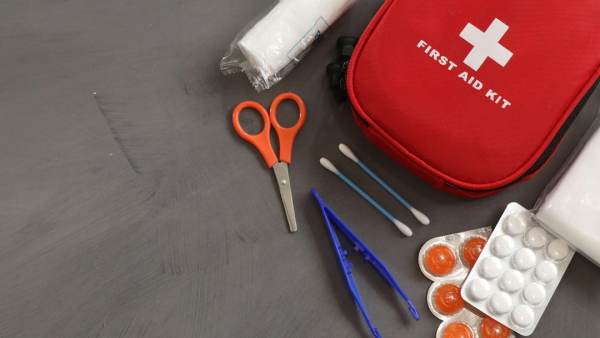
Preparation is a significant element of emergency preparedness. A basic first-aid kit should contain the following items: sterile gauze pads, bandages, antiseptic wipes, elastic crepe bandages, pain reliever medication, antihistamines, tweezers, scissors, and blister care items.
In the case of long hikes or yatra regions, carrying thermal blankets, oral rehydration salt, and one’s own prescription medications would be advisable. However, the first-aid box should always be kept compact, well-organised, and water-resistant so that access during emergencies becomes easier.
Building Skills Through Training And Exercise
Having a first-aid box is but a small aspect of being prepared. This requires training and experience to ensure the right things are done when the pressure is on. This could include wilderness first aid courses or basic life support. Proper preparation should involve knowledge, presence of mind, and a readiness to act. Preparatory training and a correct approach would make climbers and devotees more capable, first, of looking after themselves and, second, of helping others effectively when it actually matters.
Dr. Praveen Kumar Reddy is the Director of Swami Vivekanand, Health Mission Society
[Disclaimer: The information provided in the article, including treatment suggestions shared by doctors and is intended for general informational purposes only. It is not a substitute for professional medical advice, diagnosis, or treatment. Always seek the advice of your physician or other qualified healthcare provider with any questions you may have regarding a medical condition.]
Contact to : xlf550402@gmail.com
Copyright © boyuanhulian 2020 - 2023. All Right Reserved.