- Tehsildar can accept transfer application based on will
- Interference with unanimous order of revenue authorities is wrong
- Disputes over the validity of wills are in civil courts only
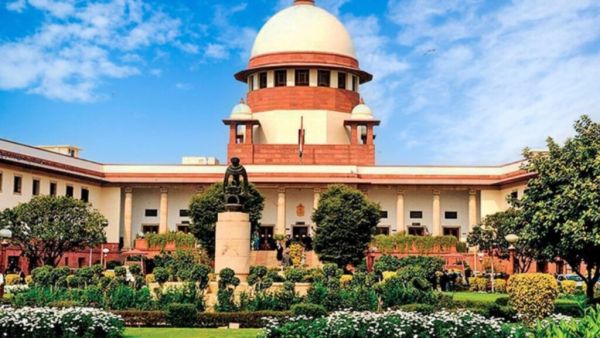
Supreme Court Judgment: There is no legal bar to altering the land revenue records (Seven-Twelve and Property Register) on the basis of a will. An important judgment of the Supreme Court was that such a modification cannot be rejected merely because the claim is based on a will. A bench of Justice Sanjay Karol and Justice Manoj Mishra also stated in the verdict that the Revenue Department cannot reject the heir registration on the basis that the claim is made only on the basis of the will.
‘People should stop breathing…’; High Court removed government’s ban on AQI in Delhi
What is the matter?
There was a dispute over agricultural land owned by Roda alias Rodilal of Mauza Bhopali in Madhya Pradesh. He passed away in 2019. A person named Tarachandra had applied to register his name on the land based on a registered will in 2017. Tehsildar issued a public notice. This succession record was approved after recording the statements of the witnesses. However, Bhawarlal challenged the entry. Bhawarlal claimed that he had an unregistered ‘sale deed’ of the land and was in possession of the land. The Sub-Divisional Officer and Commissioner rejected his appeal; But the entry made on the basis of Haikotni’s will was cancelled.
Entry of modification subject to the decision of the competent civil court
While delivering the verdict, the Supreme Court highlighted some important points. The Bench clarified that Sections 109 and 110 of the Madhya Pradesh Land Revenue Code, 1959 do not contain any restrictions on the methods of acquisition of land rights. A ‘death certificate’ is also a legal way of transferring property, just like a deed or a gift. The court made it clear that, if any dispute regarding ownership arose and was decided in accordance with law, the modification record would be subject to the decision of a competent civil or revenue court.
Year Ender 2025: India’s fire in space this year too; Tricolor hoisted on ISS
Revenue records only for taxation purposes
In the 2017 Rules for the Registration of Revenue Registers, the Will was expressly included, the Court once again clarified that the entries in the Revenue Registers are for fiscal or taxation purposes only and do not prove ownership. If there is a dispute over ownership, it will have to be settled in a civil court. “Heir registration based on death certificate cannot be rejected at the outset of the application.
The decision of the High Court is annulled
* Application for change of name cannot be rejected at the outset as it is based on will. Explaining this, the Supreme Court cited Madhya Pradesh High Court’s judgment in Jitendra Singh v. State of Madhya Pradesh and others, which held that while Tehsildars can entertain applications for conversion based on wills, disputes regarding the validity or genuineness of wills should be referred to the competent civil court. In this case the High Court erred in interfering with the unanimous orders of the Revenue Officers.
Contact to : xlf550402@gmail.com
Copyright © boyuanhulian 2020 - 2023. All Right Reserved.