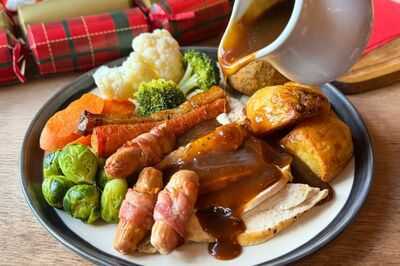
The NHS has warned people that if they are eating or cooking over the festive period, they need to be aware of one thing. The warning comes on Christmas Eve, as many people prepare for the big day tomorrow.
In a post on X, it said: "Don’t give your loved ones the unwanted gift of food poisoning this Christmas." Linking to their website, the health experts shared some much-needed advice.
Noting that "food poisoning is rarely serious and usually gets better within a week", the health experts say that thankfully "you can normally treat yourself or your child at home."
- NHS amlodipine and ramipril med alert to millions with high blood pressure in UK
- NHS fruit juice warning to millions on statins, amlodipine and anxiety meds in UK
But there are some cases where you may need to get help. If you suspect food poisoning, you may have symptoms such as:
- feeling sick or being sick
- diarrhoea
- tummy pain
- a high temperature
- feeling generally unwell
You might not even get ill straight away. The NHS notes that symptoms usually start within a few hours or even few days of eating food that caused the infection. In fact, "sometimes symptoms do not start for a few weeks."
You can get food poisoning for many reasons. It may be that your food was not cooked or reheated thoroughly.
It may not have been stored correctly – for example, it has not been frozen or chilled. You can also get ill if you leave food out for too long, eat it after its 'use by' date and have your food handled by someone who's ill or has not washed their hands.
Sadly, any type of food can cause food poisoning. So if you are sure you have this, the NHS further recommends that people stay at home and get plenty of rest. In this time, you should also drink plenty of fluids and take small sips if you feel sick.
It also suggests that you:
carry on breast or bottle feeding your baby – if they're being sick, try giving small feeds more often than usual
give babies on formula or solid foods small sips of water between feeds
eat when you feel able to – it may help to avoid foods that are fatty or spicy
take paracetamol if you're in discomfort – check the leaflet before giving it to your child
In a piece of cautionary advice, the health experts say that people who have this illness should not have fruit juice or fizzy drinks as they can make diarrhoea worse.
You should also not make baby formula weaker and use it at its usual strength. Remember, do not give children under 12 medicine to stop diarrhoea and do not give aspirin to children under 16, it warned.
Whilst it can be treated at home, there could be a situation where you need to seek medical attention. You should call 111 if:
- you're worried about a baby under 12 months
- your child stops breast or bottle feeding while they're ill
- a child under 5 years has signs of dehydration, such as fewer wet nappies
- you or your child (aged 5 years or over) still have signs of dehydration after using oral rehydration sachets
- you or your child keep being sick and cannot keep fluid down
- you or your child have bloody diarrhoea or bleeding from the bottom
- you or your child have diarrhoea for more than 7 days or vomiting for more than 2 days
Call 999 or 111 if you:
- vomit blood or have vomit that looks like ground coffee
- have green vomit (adults)
- have yellow-green or green vomit (children)
- may have swallowed something poisonous
- have a stiff neck and pain when looking at bright lights
- have a sudden, severe headache
- have a sudden, severe tummy ache
- have blue, grey, pale or blotchy skin, lips or tongue - on brown or black skin this may be easier to see on the palms of the hands or soles of the feet
- are having severe difficulty breathing, or taking lots of quick, short breaths
- are confused or not responding as usual
According to the Food Standards Agency (FSA), you should follow these steps below. And remember to always seek medical help if you are worried.
Adam Hardgrave, Head of Foodborne Disease Control at the Food Standards Agency, said: "The four Cs of food hygiene: Chilling, Cleaning, Cooking and avoiding Cross-contamination are important throughout the year, but especially at Christmas.
"In the flurry of preparing the Christmas meal, it’s important to plan ahead and allow plenty of time. Remember that an average-sized turkey can take 4 days to fully thaw in the fridge. It is vital to thoroughly cook your turkey so that the meat is steaming hot, there is no pink meat visible, and that the meat juices run clear.
"Cooking a Christmas roast for a large gathering can be a challenge. The turkey, or other meat of the meal, should be stored, defrosted and cooked correctly. Likewise, leftovers from Christmas need to be reheated and consumed within specific timeframes in order to avoid food poisoning."
Contact to : xlf550402@gmail.com
Copyright © boyuanhulian 2020 - 2023. All Right Reserved.