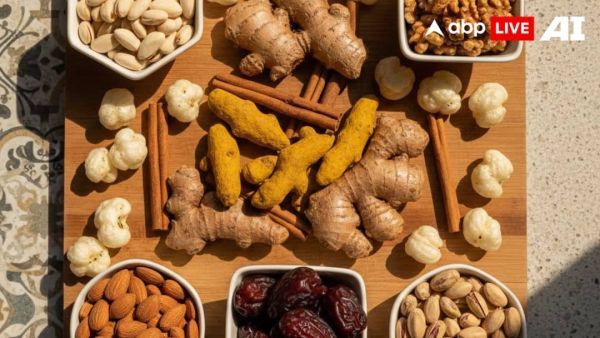
In kitchens across India, a quiet transformation is underway. After years of experimenting with supplements, powders and packaged immunity boosters, families are rediscovering something far more familiar, the healing power of everyday food. Welcome to Immunity 2.0, where wellness is no longer about quick fixes but about thoughtful, consistent choices built into daily life.
This shift is not accidental. It is driven by lived experience, rising health awareness and a renewed respect for ingredients that Indian households have trusted for generations. From spices simmering in morning chai to nuts tucked into office snack boxes, immunity is once again being shaped at the dining table.
8 Immunity-Boosting Winter Soups Every Family Should Add To Their Diet
From Kitchen Wisdom To Conscious Wellness
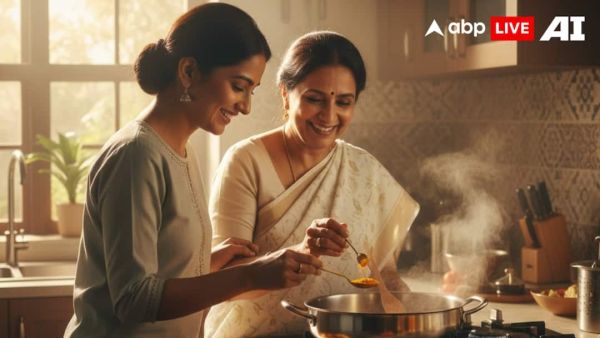
“India’s relationship with immunity has always been rooted in the kitchen. Long before supplements and shortcuts entered the conversation, spices were our first line of defence, used daily, intuitively, and with purpose,” says Cyril Feuillebois, Founder, Spiceology. He believes the current movement reflects a more intentional approach to health. “What we are seeing today as Immunity 2.0 is a renewed return to this wisdom, driven by a more informed, intentional, and wellness-conscious consumer.”
At the same time, nutrition patterns are shifting in Indian households. “A quiet shift is taking place in Indian kitchens. Immunity 2.0 is less about quick fixes and more about consistency,” observes Gunjan Vijay Jain, President, Nuts and Dry Fruits Council (India). According to him, families are steadily circling back to ingredients that once formed the backbone of everyday nutrition, especially nuts and dry fruits.
Why Spices Are Becoming Everyday Immunity Tool
Traditional spices are no longer limited to festive cooking or home remedies. They are now recognised as functional ingredients with daily health value.
“Turmeric, ginger, black pepper, cinnamon, cloves, and cardamom have long been recognised for their anti-inflammatory, antioxidant, and digestive-supporting properties,” explains Feuillebois. “Today, these spices are being rediscovered not as remedies, but as functional ingredients that support immunity through consistent, everyday consumption.”
He adds that the focus has shifted from treating illness to preventing it. “Spices play a critical role in supporting gut health, improving nutrient absorption, and managing inflammation — all closely linked to immune resilience.”
The Steady Power Of Nuts And Dry Fruits
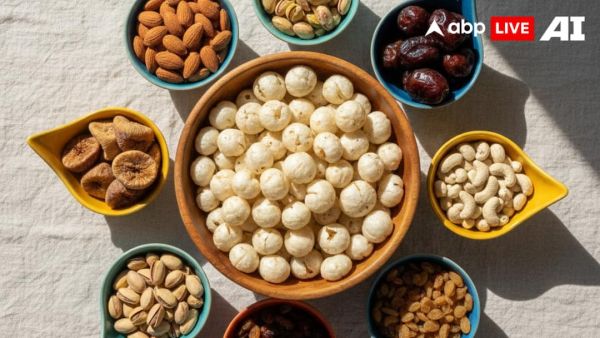
Alongside spices, nuts and dry fruits are reclaiming their role as daily nutrition anchors.
“After long winters, rising pollution and lifestyle stress, people are rethinking how immunity is built. Strength is not created overnight, it is accumulated quietly through daily food choices,” says Jain.
He points out that almonds and walnuts are now widely recognised for their immune-supporting fats and antioxidants, while pistachios and cashews help the body manage fatigue and stress. “Hazelnuts and macadamia nuts, once seen as indulgent, are now valued for the quality fats that support cellular health, especially during colder months.”
Even traditional dry fruits are being appreciated anew. “Dates and figs support stamina and digestion; raisins and prunes strengthen gut health; cranberries and blueberries fight oxidative stress. Makhanas have also emerged as a preferred daily snack, light, nourishing and easy to digest.”
The Urban Shift: From Synthetic To Sustainable
Urban consumers, in particular, are leading this change. “They are moving away from synthetic solutions and gravitating toward ingredients they trust, familiar, culturally rooted, and scientifically validated,” notes Feuillebois. He views Immunity 2.0 as more than a trend: “It is an evolution. Immunity today is about intention, choosing quality over quantity, consistency over cures.”
Jain agrees, adding, “These foods are not marketed as miracle cures. They work slowly, steadily, and together, building a base of nutrition the body can rely on.”
Immunity 2.0: Ancient Knowledge, Modern Living
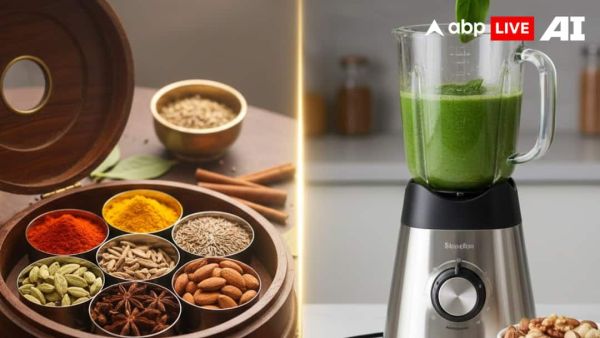
Ultimately, Immunity 2.0 is not about reinventing health, it is about reconnecting with what already works.
“As Indians return to traditional spices with renewed awareness, they are embracing a form of wellness that is sustainable, effective and deeply personal,” says Feuillebois.
Jain sums it up simply: “It is about restoring balance. Traditional nuts and dry fruits are once again protecting health quietly, one day at a time.”
And in a world increasingly overwhelmed by complexity, this return to simplicity may be the most powerful form of medicine of all.
[Disclaimer: The information provided in the article is shared by experts and is intended for general informational purposes only. It is not a substitute for professional medical advice, diagnosis, or treatment. Always seek the advice of your physician or other qualified healthcare provider with any questions you may have regarding a medical condition.]
Contact to : xlf550402@gmail.com
Copyright © boyuanhulian 2020 - 2023. All Right Reserved.