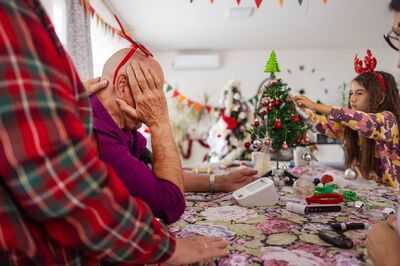
The festive period can prove particularly challenging for families caring for loved ones with dementia, as disrupted daily routines, packed households and emotional strain take their toll. Now an NHS GP is calling on families to honestly assess whether home care remains the safest choice – or if it is time to consider specialist support as the disease advances.
Dr Tim Mercer, an NHS GP partner and GP trainer, says Christmas often brings to light pressures that families have been quietly managing for months on end.
He said: "Every family's situation is unique, but planning early makes all the difference. Begin by considering your loved one's current needs and how they may evolve over time. Dementia is progressive, so it's important to balance safety, comfort, and emotional well-being."
- 'I swear by grandma's 2-step Yorkshire pudding recipe that stops sogginess every time'
- Aldi's 'game changer' 5p festive veg could feed family in January for £1

For numerous families, remaining at home is still the favoured choice, especially during the early and middle phases of dementia, when familiar surroundings can help ease anxiety and confusion.
Dr Mercer, who collaborates with care bed manufacturer Opera Beds, said: "For many, home care offers familiarity and independence, especially when the environment is adapted for safety. Profiling care beds help prevent falls and make everyday care easier for both the person living with dementia and their carers."
Yet he cautioned that there are unmistakable red flags indicating home care may no longer be viable or safe, and families mustn't turn a blind eye to them. "It's also helpful to watch for practical signs that it might be time to consider a care home."
These can include:
- Difficulty managing personal hygiene
- Frequent falls or safety incidents
- Significant weight loss
- Poor nutrition
- Increasing agitation or confusion
- Caregivers feeling overwhelmed or unable to provide adequate support”
According to Dr Mercer, reaching this point does not mean families have failed – but that care needs have changed. “When home becomes difficult to manage safely, it may be time to explore specialist settings. The goal isn’t to give up home living, but to ensure the right support and dignity at every stage of life,” he said.
He also urged families to use the festive period as a moment to reassess care arrangements, particularly if relatives are visiting and noticing changes for the first time.
“Other steps include creating a clear care plan, seeking advice from your GP or a dementia care specialist, exploring respite care options to give family carers breaks, and reviewing home modifications regularly to maintain safety as needs change,” he said.
Dr Mercer stressed that wherever care is delivered, the focus should remain firmly on quality of life. “Whether at home or in a care facility, the main priorities are comfort, safety, and quality of life, supported by the right environment and equipment,” he said.
Further research and statistics on dementia rates in the UK can be found here.
Contact to : xlf550402@gmail.com
Copyright © boyuanhulian 2020 - 2023. All Right Reserved.