{By: Dr. Rajeev Verma, Chairman}
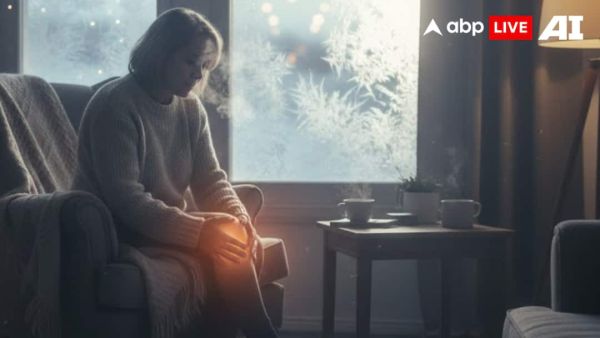
As soon as the winters approach, a significant number of people starts experiencing some sort of discomfort as their joints begin to complain. Some might have a slight stiffness in the morning, others may experience a sharp persistent pain that appears to be aggravated by the lowering of temperatures. There is scientific evidence to the fact that cold weather hurts your joints which may cause people to feel better about the symptoms and recognise when to seek medical attention.
Why Your Bones Ache More In The Cold
People may face joint aches in winters due to various reasons such as:
- Drop In Barometric Pressure: One of the most widely accepted explanations is the fall in barometric (atmospheric) pressure that takes place during cold weather. Lower pressure enables tissues, particularly the ones surrounding joints with arthritis or persistent inflammation to swell a little thus causing pain and stiffness.
- Muscles And Tissues Become Stiffer: Low temperatures result in contraction of muscles, tendons and ligaments. This tightening causes less flexibility and more resistance around the joints. This stiffness can be experienced more acutely by people with osteoarthritis or those with past injuries of their joints. Lower blood circulation in cold weather prevents the ease and lubrication of the tissues as well.
- Loss Of movement Of Synovial Fluid: Synovial fluid, natural lubricant in the joints is more viscous during cold weather. The direction of the fluid becomes less fluid and, therefore, the movements of the joints increase in difficulty and discomfort, particularly early in the morning.
- Reduced Activity During Winter: When the weather gets cold, individuals tend to travel less, decreasing the physical activity caused by shorter days, cold mornings. The absence of movement may lead to stiffness of the joints, weakening of the muscles around, and further deterioration of the pain.
Who Is More Likely To Be Aware Of Cold Induced Joint Pain?
People with osteoarthritis or rheumatoid arthritis, those who have had sports injuries or fractures, the elderly whose cartilage is more degenerated in nature, people with weak muscles, or not moving around are all likely to be predisposed to joint pain yet anyone may feel it. However, anyone can feel joint discomfort during winter, as the season often makes it harder to relieve stiffness and soreness.
To ease symptoms, people should stay warm by wearing layered clothing, using thermal joint insulators, and keeping indoor spaces at comfortable temperatures. Warm compresses can also help relax rigid joints. Staying active is equally important, light exercises such as walking, yoga, or gentle stretching keep the circulation going and help prevent stiffness. Moreover, staying hydrated is also important, as cold weather often reduces thirst but dehydration can worsen joint stiffness by affecting the quality of synovial fluid.
Surgical Therapy Of Advanced Joint Disorders
In the cases when medications, physiotherapy, exercise, and lifestyle change do not help to relieve symptoms, the doctor might recommend surgery, particularly in cases where joint damage is structural.
- Arthroscopy: Minimally invasive surgery that is applied to clean up frayed cartilage, eliminate loose fragments, or repair torn ligaments. It is frequent in young patients or in case of sport injuries.
- Osteotomy: This process positions bones again to redistribute weight to the undamaged part of one of the joints commonly applicable to some active adults with arthritic onset in joints, particularly around the knee.
- Arthroplasty: It is the replacement of the joint (Joint Replacement Surgery). Joint replacement is most effective in the long run when the cartilage is worn out in severe cases of arthritis. Modern implants can last 20–25 years, significantly improving mobility and eliminating chronic pain.
- Synovectomy: Removal of the inflamed synovial lining, typically used in rheumatoid arthritis when medication fails to control inflammation.
Though cold weather does not cause the problems with the joints directly, it might aggravate the pain of patients with arthritis, those that have suffered injuries previously, or those whose muscles are weakened. Some of the real-life steps that you can learn are based on the effects of temperature change on your joints, such as staying warm and active, and staying hydrated. However, when the pain is chronic, limits movement or fails to respond to non-invasive treatment, then medical consultation is required.
The author, Dr. Rajeev Verma, is the Chairman - Manipal Institute of Bone & Joints, Manipal Hospitals Dwarka, New Delhi.
[Disclaimer: The information provided in the article is shared by experts and is intended for general informational purposes only. It is not a substitute for professional medical advice, diagnosis, or treatment. Always seek the advice of your physician or other qualified healthcare provider with any questions you may have regarding a medical condition.]
Contact to : xlf550402@gmail.com
Copyright © boyuanhulian 2020 - 2023. All Right Reserved.