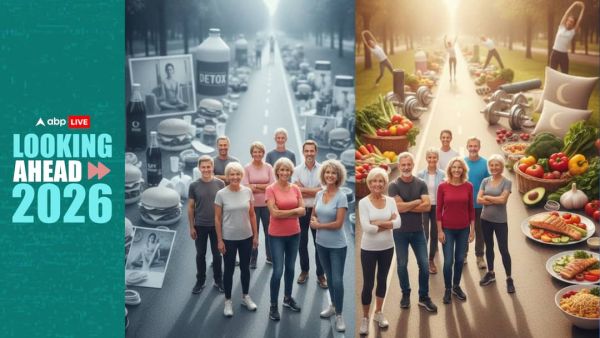
As 2026 approaches, a powerful question is quietly reshaping the wellness world, are we finally ready to stop believing in rapid weight-loss promises? For decades, crash diets, detox teas, and viral "lose 10 kg in 10 days" plans have dominated our screens. Yet year after year, the same cycle repeats, hope, extreme restriction, temporary results, and devastating rebound.
Now, leading nutrition eperts believe something fundamental is shifting.
Why Do Crash Diets Refuse To Die?
According to Deepika Dua Arora, Therapeutic Dietitian and Founder of Mutation Diet Clinic, Delhi, the problem begins with urgency and impatience. She says, "When we lose weight, we do crash diets or take shortcuts. Everybody is rushing to lose weight faster without thinking about side effects. Medical conditions get disturbed. Metabolism is stuck. There is no balance of micro and macro nutrients."
She adds from years of observation, "In the past, we have observed that whenever people used to lose weight through gym or crash diets, the loss was around 3 kg per week, but it used to bounce back the very next week."
The illusion of fast success keeps the industry alive, but the body always sends the bill later.
The Social Media Diet Myth That Won’t Go Away
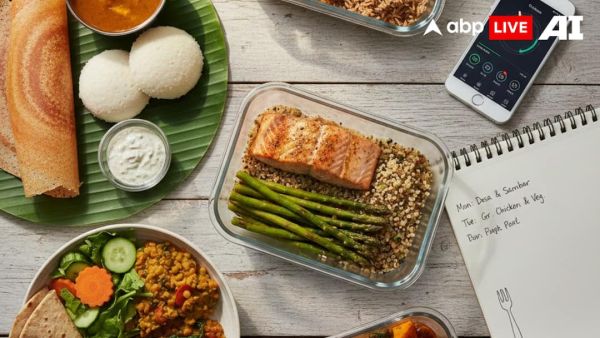
The internet promises universal solutions. Real bodies, however, don’t work that way.
"Please stop following the facts on Google or trendy diets because diet is not for everybody. Everybody should understand their needs according to their body needs and the trend of family food."
She explains further, "It should be managed accordingly. Like for example, if you are a South Indian, leaving rice and dosa, he/she will not be able to sustain the program for long term. So it should be customised according to their needs, otherwise the body will reject it."
2026 may finally be the year we replace viral diet rules with personalised nutrition.
What Actually Happens Inside During Extreme Dieting
The damage is far deeper than most people realise.
"Deficiencies, low metabolism, lack of sleep, gut issues, irritation, depression, hormonal imbalance, etc. Will lose the charm of your skin or face if it is not for your body type."
Extreme restriction doesn’t just slow progress, it alters the body’s internal systems in ways that can last for years.
Why Crash Dieters Often Gain Back More Than They Lost
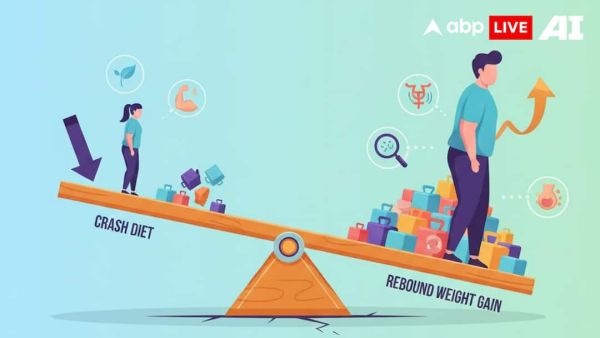
Suhani Seth Agarwal, HOD Dietetics, Yatharth Super Speciality Hospital, Noida Extension, explains the science clearly, "Crash diets put the body into survival mode. Calories are slashed, hormones are disrupted, muscle mass is lost, and metabolism slows down. When normal eating resumes, the body stores more fat to “protect” itself from future starvation.
The result? Weight regain, often with extra pounds added on top." This is why rebound weight often exceeds the original number.
Can Rapid Weight Loss Permanently Damage The Body?
Deepika's answer is direct, "Yes, according to our 20 years of experience, we always suggest people to lose weight and maintenance is important because when you let go yourself, it increases more than what you lost and your metabolism goes down even if it is sustainable."
And when people abandon their natural eating patterns, "If you are told to be strict and out of born and brought-up food types."
The body resists and eventually rebels.
If One Dangerous Diet Trend Could Be Banned
Suhani Seth Agarwal doesn’t hesitate, she says, "Extreme detox and liquid-only diets remain among the most harmful. The human body does not require external cleansing. The liver and kidneys already perform this function continuously. Such diets disrupt normal metabolism, increase nutritional deficiencies, and provide only temporary changes in weight."
"There is no shortcut. Effective weight loss is slow and inconsistent. There is no universal diet plan, and lasting results require long-term behavioural change. It’s not dramatic, it’s not fast, and it doesn’t sell well, but it works."
Perhaps 2026 becomes the year we finally choose what works, not what sells.
So What Actually Works?
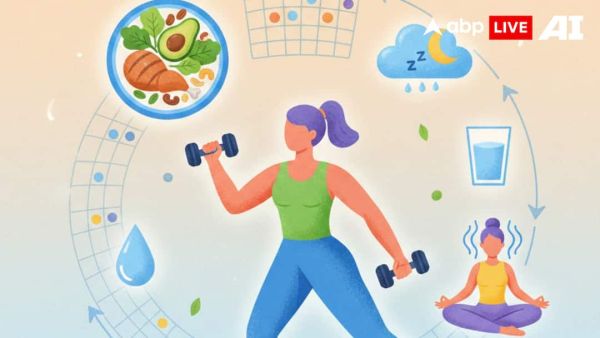
Here's the roadmap, according to Suhani, "Focus on habits, not diets by prioritising balanced meals with enough protein, fiber, and healthy fats. Build muscle to support metabolism. Manage stress and sleep well as poor sleep and chronic stress sabotage fat loss. Aim for progress and not perfection by setting realistic timelines. And most importantly, be consistent, not extreme as what you can sustain is what will succeed. Weight loss isn’t about doing something drastic, it’s about doing something doable, every day. If 2026 is the year we finally accept that, we’ll all be healthier for it."
Maybe the biggest health trend of 2026 won’t be a diet at all, but the collective decision to finally stop chasing shortcuts.
If that happens, it might be the healthiest year yet.
[Disclaimer: The information provided in the article is shared by experts and is intended for general informational purposes only. It is not a substitute for professional medical advice, diagnosis, or treatment. Always seek the advice of your physician or other qualified healthcare provider with any questions you may have regarding a medical condition.]
Contact to : xlf550402@gmail.com
Copyright © boyuanhulian 2020 - 2023. All Right Reserved.