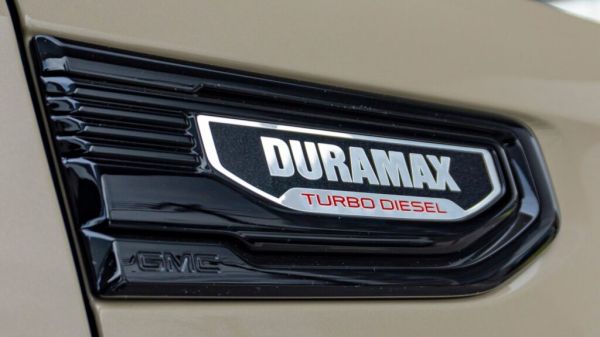
If you are new to the world of turbodiesel truck engines, there can be a whole lot to learn. Whether it’s a Cummins, a Powerstroke, or a Duramax, these engines by and large stand as their own families, with their own lineages separate from the gasoline engines found in the Big Three’s lighter-duty trucks. Initially born out of a collaboration between General Motors and Isuzu, the Duramax engine family has a history that stretches back 25 years, to the original LB7 turbodiesel V8 engine of 2001.
There’s a lot of nomenclature and codes that have been used to identify the different Duramax engines over the years. The LML engine of the 2010s is a notable example and one of the most significant evolutions of the powerplant. The LML represented a big leap for the Duramax engine, featuring 60% new parts and a selection of new emissions technology. But what does the “LML” code stand for on these engines? Maybe something like “Lean Mix Load”? Or “Linear Modulation Logic”?
Nope, it’s nothing like that at all. “LML” is simply one of the thousands of different General Motors RPO codes that the automaker has used across its vehicles. In this case, the letters designate one particular generation of Duramax turbodiesel V8.
It’s all about the RPO
Raymond Boyd/Getty Images
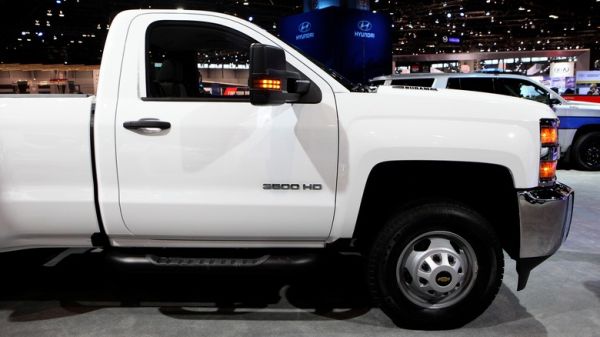
The 6.6-liter LML engine, which was offered between 2011 and 2016, is a plentiful powerplant on the used truck market, and one that’s generated mixed opinions from both work truck owners and diesel enthusiasts. But when it comes to the engine’s actual code, which is commonly used to identify it, don’t bother looking for any deep meaning.
To put it simply, the letters in the “LML” designation on a Duramax engine don’t actually stand for anything. It’s not an acronym or another type of abbreviation. The same goes for the code names of the other Duramax engines. LML happens to be the RPO code that GM used for the fourth generation of the Duramax engine, with the LMM preceding it and the L5P coming after it.
What exactly is an RPO code? RPO stands for “Regular Production Option,” and each RPO is a three-character code that General Motors uses for everything from engines to suspension packages. When you type “LML” into an RPO decoder, you will unsurprisingly be told “Engine Diesel, 8 CYL, 6.6L, DI, V8, Dual Turbo, Duramax.”
What’s in a name?
These formerly generic, almost random RPO codes are actually responsible for some of the most legendary names and brands in General Motors’ history. Z28, Z06, Z71, 1LE, and ZR1 all started as simple RPO codes before they became symbols of car culture. What about the name behind the legendary LS1 V8 engine, you may ask? Though there have been unfounded rumors and speculation about supposed deeper origins of the name, “LS1” is another icon that almost certainly comes from a simple General Motors RPO code.
In the case of LML, it’s unlikely that one Duramax V8 used in Chevy Silverado and GMC Sierra pickups during the 2010s will ever be recognized in quite the same way that other General Motors RPO codes are. But this nonetheless shows how names and codes created without any specific meaning in mind can become so much bigger than their humble, three-character acronyms.