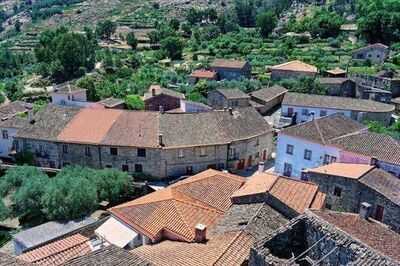
Portugal boasts numerous attractions that draw visitors from across the globe. Lisbon and Porto remain incredibly sought-after destinations, with travellers flocking to wander their charming cobbled lanes and savour exceptional cuisine.
Yet venture beyond these hotspots and you'll discover a corner of Portugal that remains largely unexplored.
This settlement represents a true hidden treasure, though those who've discovered it regard it as amongst the nation's finest spots to visit.
- World's longest suspension bridge set to cost £11.7bn and Brits will love it
- 'I had Christmas dinner in Benidorm and we were shocked when the bill arrived'
Indeed, Castelo Novo in Portugal received international acclaim from the United Nations' World Tourism Organization (UNWTO).
The UNWTO assesses settlements using rigorous standards, covering environmental responsibility, prospects for locals, safety measures, plus preservation of cultural and natural heritage.
And Castelo Novo in Portugal secured recognition amongst the globe's top tourism villages, reports the Express.
This historic community, founded eight hundred years ago, contains one of the area's most important archaeological locations. The Roman Baths of Quinta do Ervedal represent the main attraction drawing travellers to Castelo Novo.
UNWTO observed: "The oldest mention of Castelo Novo, then called Alpreada, dates back to around 1202 AD. To protect his kingdom against any potential threats, King Dinis rebuilt the village castle adopting typical Gothic features and commissioned several Medieval-style buildings."
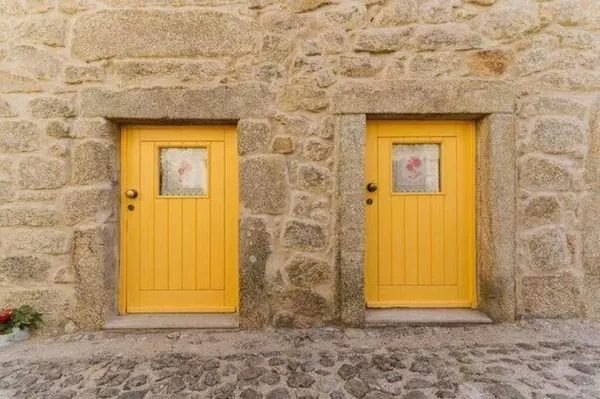
The settlement has also earned praise for its groundbreaking environmental initiatives, becoming Portugal's first location to reach total carbon neutrality. Castelo Novo offers five electric vehicles to ferry visitors from nearby train stations.
One traveller who visited the village shared: "A secret kingdom. Located in the heart of the Beira Baixa Region, once the capital of Portugal, it is a picturesque stone village that looks out onto the Garduna mountains. It has a terrific visitor centre."
Another holidaymaker noted: "The castle on top of the hill is a gem. Once at the top the view of the surrounding area is superb even on a grey day."
Visitors can also learn about the traditional grape-treading methods used by former residents and admire the historic manor houses in the settlement.
Those touring the area can follow the Miller's Way to see the windmills that were once a crucial part of village life.
The journey to Castelo Novo from Lisbon takes roughly three-and-a-half hours by train or two-and-a-half by car. The village is also conveniently located near Coimbra, a charming riverside city in Portugal with a medieval Old Town.
The drive is just under two hours, making Castelo Novo an easy day trip from the city.
Contact to : xlf550402@gmail.com
Copyright © boyuanhulian 2020 - 2023. All Right Reserved.