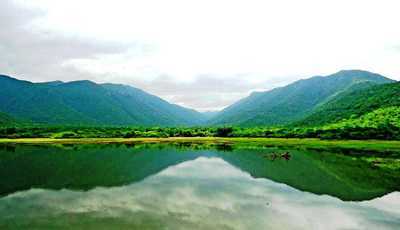
Tamil Nadu is a state that wears its cultural and spiritual heritage with immense pride, making a remarkable contribution to the idea of Incredible India. What truly sets the state apart is the graceful way in which it has preserved age-old traditions while embracing modern influences at the same time—an achievement worth applauding. Beyond its vibrant rituals and timeless customs, Tamil Nadu is also celebrated for its spiritual aura, scenic beauty, and deep-rooted historical legacy.
Pilgrims arrive to seek blessings at its ancient temples, nature lovers are drawn to its misty hill stations, serene beaches, and lush national parks, while history enthusiasts come eager to unravel the stories of the mighty Chola, Chera, and Pallava dynasties. But how about exploring a side of Tamil Nadu that’s a little less travelled? Let’s venture into some offbeat experiences the state has to offer.
Tamil Nadu is blessed with several rivers, many of which flow perennially, enriching the land and shaping its culture. Visiting these rivers offers a chance to immerse yourself in tranquil landscapes while understanding their vital role in making the state what it is today. With that in mind, here are five rivers you should definitely include in your Tamil Nadu travel guide.
# River Kaveri
In ancient times, several powerful South Indian kingdoms thrived along the fertile plains nourished by the River Kaveri. Even today, this revered river continues to be a lifeline for multiple southern states, including Tamil Nadu. What better way to begin a journey through the rivers of the state than with its most iconic and largest river?
The Kaveri originates in the highlands of the Kodagu district in Karnataka. After winding its way through the state, it enters Tamil Nadu via the dramatic Hogenakkal Falls in Dharmapuri district. From there, it flows through Erode, Karur, Tiruchirappalli, and Thanjavur, sustaining vast stretches of agricultural land along its course. Flowing throughout the year, the river remains the backbone of Tamil Nadu’s agrarian economy.
Adding to its charm are the many historical and spiritual landmarks that dot its banks. Following the river’s trail takes you to the grand temple town of Srirangam, the ancient Kallanai Dam, the majestic Gangai Konda Cholapuram, and the iconic Brihadeeswarar Temple in Thanjavur. Eventually, the river completes its journey at Poompuhar, where it merges gracefully with the Bay of Bengal.
# River Bhavani
Next on the list is the River Bhavani, an important tributary of the Kaveri. Its journey begins in the Nilgiri Hills of the Western Ghats, surrounded by lush greenery and towering mountains—a sight that is nothing short of breathtaking. From the Nilgiris, the river passes through Silent Valley National Park in Kerala before entering Tamil Nadu.
Within the state, Bhavani flows primarily through Coimbatore and Erode districts. It eventually meets the Kaveri at the sacred town of Bhavani, also known as Mukoodal, a place revered for its spiritual significance. The river then continues its journey alongside the Kaveri until reaching the Bay of Bengal.
Fed by both the southwest and northeast monsoons, the Bhavani flows year-round and serves as a crucial water source for the region. While its entire course is scenic, two must-visit attractions along the river are the Bhavanisagar Dam and the Kodiveri Dam.
# River Noyyal
The Noyyal River holds a sacred place in Tamil Nadu’s history and is yet another tributary of the Kaveri. Before joining the Kaveri at Noyyal Village, the river traces a culturally and geographically rich route across the state.
The Noyyal originates in the Velliangiri Mountains of the Western Ghats and flows through Coimbatore and Tiruppur before reaching its namesake village. Here, travellers can visit the ancient Sellandiyamman Temple, dedicated to the local deity. Several dams and reservoirs have been constructed along the river, with the Orathuppalayam Dam and Aathupalayam Dam being notable stops for visitors.
# River Palar
The journey of the River Palar begins in Karnataka, emerging from the Nandi Hills in the Chikkaballapura district. From there, it flows through Andhra Pradesh before entering Tamil Nadu and finally emptying into the Bay of Bengal.
Along its long course, the river touches numerous towns and cities in Tamil Nadu, including Ambur, Vellore, Katpadi, Arcot, Ranipet, Kanchipuram, Chengalpattu, and several others. The Palar also plays a vital role in supplying drinking water to Chennai. As you follow the river’s path, you’ll find many of these towns rich in heritage, offering ample sightseeing and cultural exploration opportunities.
# River Thamirabharani
Unlike the other rivers on this list, the Thamirabharani flows entirely within Tamil Nadu. It originates from the Agastyarkoodam peak in the Pothigai Hills of the Western Ghats and flows through the districts of Tirunelveli and Thoothukudi.
This perennial river supports a rich variety of aquatic life and holds immense ecological importance. Its name is believed to be derived from the word “tamiran,” meaning copper, as traces of copper were found in its waters. Additionally, the river is known for its medicinal properties, attributed to the abundance of medicinal herbs and plants in the surrounding Pothigai hills.
Contact to : xlf550402@gmail.com
Copyright © boyuanhulian 2020 - 2023. All Right Reserved.