
The UK Health Security Agency (UKHSA) is encouraging Brits to don face masks again in an effort to reduce flu infections. It comes as thewinter seasonhas already witnessed a significant surge in flu cases, predominantly driven by the H3N2 strain of the influenza virus.
However, recent government data indicates that hospital admissions and surveillance positivity for the virus have been on the decline. In the week leading up to 24 December, positivity for the virus dropped from 21.1% to 17.2% compared to the previous week.
Simultaneously, hospital admissions due to the flu fell from 9.98 per 100,000 to 7.85 per 100,000 compared to the previous week. Despite this, the UKHSA continues to urge individuals to take additional measures to avoid the flu, including mask-wearing, vaccination, and self-isolation where possible.
- NHS lansoprazole warning for anyone taking it for three months or more
- Doctor's 10-minute rule warning over common habit - and when to see GP
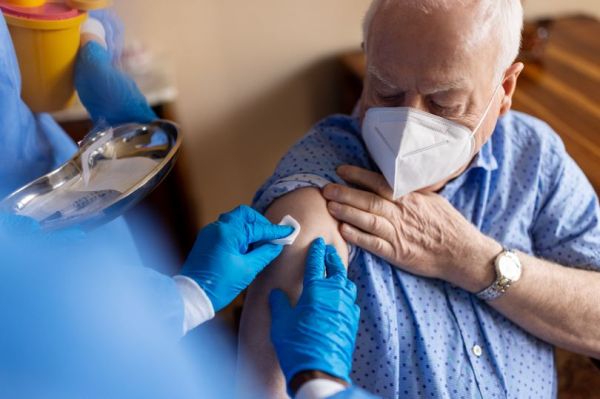
In a statement on X, the UKHSA advised: "Keep everyone feeling their best this festive season, with a few simple steps which can make a big difference in avoiding flu."
Why the UKHSA encourages wearing a mask
Explaining why the UKHSA advocates mask-wearing, the agency's website states that face masks can still help curb the spread of respiratory viruses, including influenza and Covid-19. It recommends that people wear a 'well-fitting mask' to minimise the release of virus-laden particles from the mouth and nose into the air, thereby limiting infection spread.
The agency also emphasises that face coverings can aid in protecting individuals from direct infection by respiratory viruses.
Getting vaccinated against the flu
The flu vaccine shields your body from severe influenza by training your immune system to spot and fight off the virus before you encounter it. The injection delivers a tiny amount of deactivated flu virus into your system, triggering your body's natural defences.
Following the injection, it takes roughly 10 days to kick in and offer proper protection. It's important to note that whilst the jab contains an inactive flu virus, the injection itself won't give you the flu.
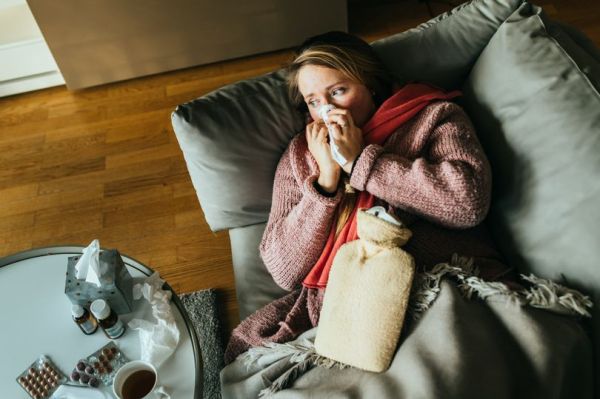
NHS guidelines show there are six distinct categories of people eligible for a free flu jab. You may be entitled to the jab if you need extra protection or if someone in your household does.
This can include people who are:
- Aged 65 or over and those who will turn 65 by March 31, 2026
- Living with someone who has a weakened immune system (such as someone undergoing chemotherapy)
- Are the main carer for an older or disabled person or receiving carer's allowance
- Have certain long-term health conditions
- Living in a care home
- Are pregnant
How to get the flu vaccine for free
If you're eligible for a free flu vaccine, there are several ways to claim it. For example, you can directly contact your GP to arrange an appointment for the vaccine, or you can book an appointment at a pharmacy either online or via the NHS app, provided you're 18 or over.
Some pharmacies also offer the NHS vaccine for free and allow walk-ins without the need to pre-book an appointment. However, this service isn't available at all pharmacies, but you can locate your nearest pharmacy offering the free vaccine here.
More information on the flu vaccine, including its ingredients, can be found on the NHS website here.
Contact to : xlf550402@gmail.com
Copyright © boyuanhulian 2020 - 2023. All Right Reserved.