Elevated cholesterol poses a serious health threat that can trigger potentially fatal complications including heart attacks and strokes.
The condition wreaks havoc oncardiovascular health by causing fatty deposits to accumulate in arteries, which narrows these crucial blood vessels and hampers circulation to essential organs.
Such blockages can also trigger peripheral artery disease (PAD), resulting in limb discomfort, whilst contributing to elevated blood pressure and possible kidney complications.
- NHS lansoprazole warning for anyone taking it for three months or more
- NHS warning over three symptoms in your legs at night
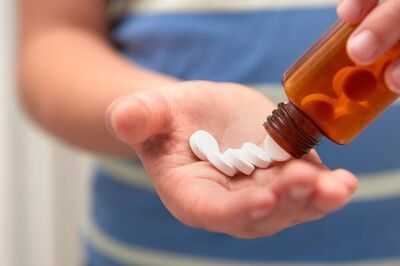
Pharmaceutical interventions, particularly statins, can help prevent these complications - with approximately 7 to 8 million adults currently taking these medications, including atorvastatin which ranks among the most frequently prescribed varieties.
Atorvastatin represents a commonly utilised high-intensity statin, though the NHS has cautioned that it may trigger potentially serious adverse reactions and has detailed appropriate responses for sufferers - including circumstances requiring emergency services on 999, reports Chronicle Live.
Nevertheless, it's crucial toemphasise that the majority of patientshandle statins effectively, with the advantages generally outweighing the dangers - particularly given the life-threatening nature of the conditions they help prevent.
Regarding Atorvastatin, the NHS states: "Like all medicines, atorvastatin can cause side effects in some people, but not everybody gets them. Different statins affect people in different ways.
"Some side effects may improve after the first few days, as your body gets used to the medicine." Patients continuing their atorvastatin regimen should witness cholesterol reductions within 4 weeks.
Common side effectsThe NHS states these frequent side effects of atorvastatin occur in more than 1 in 100 people. For guidance on managing the side effects from the NHS click here.
- Feeling sick (nausea) or indigestion
- Headaches
- Nosebleeds
- Sore throat
- Cold-like symptoms, such as a runny nose, blocked nose or sneezing
- Constipation or breaking wind (flatulence)
- Diarrhoea
The NHS continues: "Drinking a lot of alcohol regularly increases the chance of you having side effects with atorvastatin, and liver problems.
"If you think that atorvastatin is causing side effects and they're making you want to stop taking it, talk to your doctor first. They may be caused by another problem and not the medicine. Your doctor may suggest lowering your dose or changing your medicine."
Serious side effectsStop taking atorvastatin and call a doctor or call 111 straight away if:
- you get unexplained muscle pain, tenderness, weakness or cramps – these can be signs of muscle breakdown and kidney damage
- the whites of your eyes turn yellow, or your skin turns yellow, although this may be less obvious on brown or black skin, or if you have pale poo and dark pee – these can be signs of liver problems
- you get a skin rash with pink or red blotches, especially on the palms of your hands or soles of your feet – this could be a sign of erythema multiforme
- you have severe stomach pain – this can be a sign of acute pancreatitis
- you have a cough, feel short of breath, and are losing weight – this can be a sign of lung disease
- you have a weakness in your arms or legs that gets worse after activity, or if you get double vision, drooping eyelids, problems swallowing or shortness of breath - these can be a sign of myasthenia gravis
- you develop severe breathing or swallowing problems
In rare cases, it's possible to have a serious allergic reaction (anaphylaxis) to atorvastatin.
Immediate action required:Call 999 now if:- your lips, mouth, throat or tongue suddenly become swollen
- you're breathing very fast or struggling to breathe (you may become very wheezy or feel like you're choking or gasping for air)
- your throat feels tight or you're struggling to swallow
- your skin, tongue or lips turn blue, grey or pale (if you have black or brown skin, this may be easier to see on the palms of your hands or soles of your feet)
- you suddenly become very confused, drowsy or dizzy
- someone faints and cannot be woken up
- a child is limp, floppy or not responding like they normally do (their head may fall to the side, backwards or forwards, or they may find it difficult to lift their head or focus on your face)
You or the person who's unwell may also have a rash that's swollen, raised, itchy, blistered or peeling.
These can be signs of a serious allergic reaction and may need immediate treatment in hospital.
Grapefruit- Try not to drink more than a litre of grapefruit juice a day. Too much of it can increase the level of atorvastatin in your blood. This can increase the risk of side effects.
Contact to : xlf550402@gmail.com
Copyright © boyuanhulian 2020 - 2023. All Right Reserved.