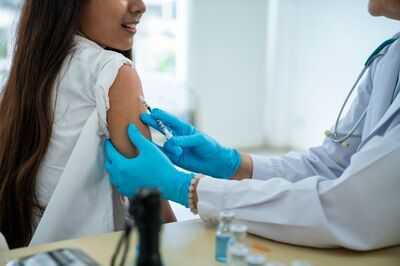
From Friday, 2 January, thousands of families with young children will be offered a chickenpox vaccineas part of the routine childhood vaccinations provided by the NHS. GPs will begin reaching out to parents of young children to offer the new vaccine free of chargeon the NHS.
Health Secretary Wes Streeting stated that this expansion could reduce school absences and hospitalisations, potentially saving the economy millions in lost income each year. However, he also encouraged people to "ignore the sceptics" and stressed: "The evidence is clear: Vaccines work."
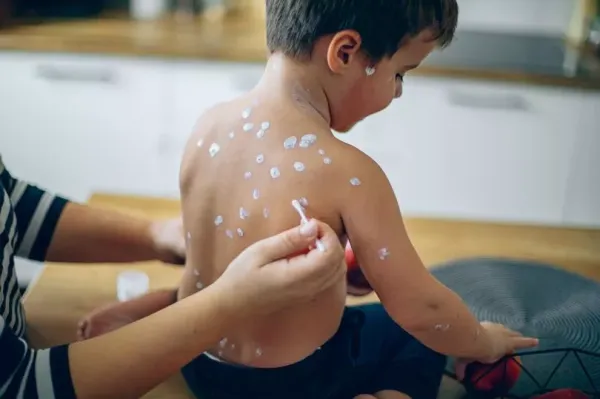
Currently, approximately nine out of every 10 children have had chickenpox by the age of 10. While most cases are mild, some can lead to serious complications requiring hospital treatment. According to the University of Oxford, around 20 people die from chickenpox each year in the UK.
- Met Office warns brutal Arctic freeze to last for up to one week as mercury tumbles
- NHS' warning to people taking medications including metronidazole or zopiclone
In the official announcement, he said: "Families will save both time and money – no longer facing lost income from taking time off work or having to fork out for private vaccinations...I urge all parents to take up this offer when their GP contacts them – vaccines save lives."
Speaking to The Guardian, the MP emphasised: "At a time when misinformation spreads quickly online, it's more important than ever that people are able to trust in medical science, and the research scientists, analysts and clinicians who follow the evidence.
"In some countries, it's clear that access to vaccines and accurate information about them has been restricted, with ordinary people paying the price."
Streeting highlighted that it is "always OK for people to ask questions" about vaccines, underlining the importance of expert clinicians answering these queries and consistently providing the public with current information.
He continued: "Today's vaccine rollout is based on decades of scientific evidence. By reducing severe cases and complications, this programme is expected to save the NHS around £15m a year in costs for treatment.
"But most importantly, it will help protect thousands of children from becoming seriously unwell."
Under the expanded scheme, children born on or after 1 January 2025 will be offered two doses of the MMRV vaccine at 12 months and 18 months. Those born between 1 July 2024 and 31 December 2024 will receive two doses at 18 months and 3 years, 4 months.
Children born between 1 September 2022 and 30 June 2024 will be offered one dose at 3 years 4 months. The NHS also plans a single-dose catch-up programme later in the year for older children born between 1 January 2020 and 31 August 2022.
Local GP surgeries will start contacting families from today to inform them about their due vaccinations and how to book appointments for their children. This will typically be done via letter, text message, phone call or email.
Contact to : xlf550402@gmail.com
Copyright © boyuanhulian 2020 - 2023. All Right Reserved.