These pretty destinations have been overwhelmed by tourists, sparking protests in many locations.
These nine islands, cities and villages are undeniably beautiful, but their appeal has come at a cost.
Whether they suddenly became popular due to viral social media posts or tourist numbers have slowly increased over the years, some destinations reached a breaking point last year.
The streets in several places were overwhelmed by localprotesters last year, with activists demanding that they can reclaim their neighbourhoods, free from constant tourist congestion.
Take a look at our photo gallery below for more.
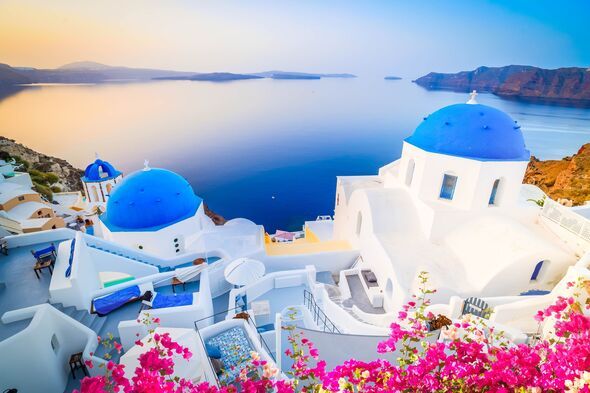 Santorini, Greece
 The Instagrammable beauty of the island has almost become its downfall, with more than 3million tourists visiting the island annually to see its white houses and blue roofs above crystal waters.
"We live in a place of barely 25,000 souls and we don't need any more hotels or any more rented rooms," Mayor Nikos Zoros told the Guardian.
"If you destroy the landscape, one as rich as ours, you destroy the very reason people come here in the first place."
Tensions rose in 2024 when politician Panos Kavalaris called on residents to limit their movements to make room for tourists.
"Not only do we have to put up with them, now we have to hide in our houses to make way for them," one resident said, who lives in Oia, a popular village in Santorini for sunset watching.
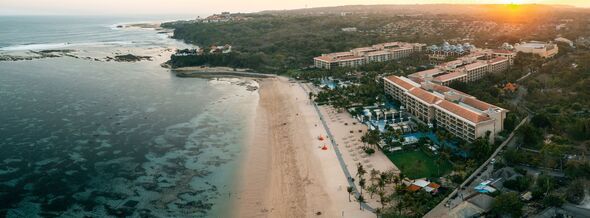 Bali, Indonesia
 The pretty island is one of the world's "most high-profile victims of mass tourism", according to Responsible Travel.
It claimed the island's iconic rice terraces are disappearing beneath hotels, while traffic makes life difficult for locals, and the strain on the infrastructure is almost unbearable.
One significant problem is plastic pollution, with rubbish often washing up on beaches - a far cry from the white sandy pictures online.
The government has banned single-use plastics which reduces the number of straws and shopping bags, but Bali's beaches, roadsides, and waterways are still strewn with waste.
Plus, Responsible Travel states that more than half of the island's groundwater is poured into the tourism industry - for its baths and showers, swimming pools, laundries, and landscaped gardens. Most of Bali doesn't have mains water, so some locals are reliant on wells.
 Venice, Italy
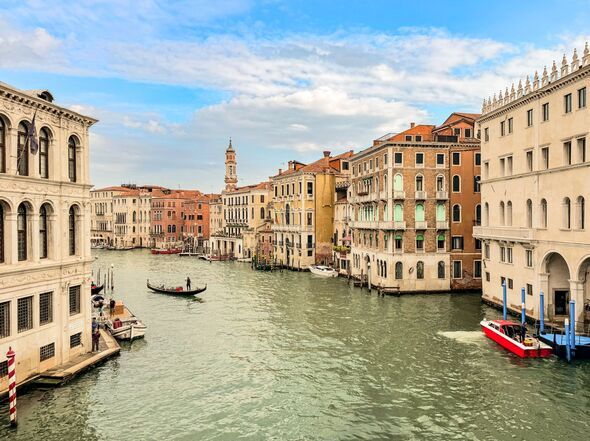
 With more than 30 million tourists flocking to Venice every year, the historic canal city is struggling to cope with the huge numbers.
Residents have complained that cruise ships bring a huge number of these visitors, but they often dock for short periods without time to visit local businesses or hotels. As a result, little money is reinvested in the system to support the infrastructure they use.
Their numbers put strain on Venice's fragile buildings, its old infrastructure, and frustrated residents, who have protested against tourism.
It has prompted the city to implement measures like an entry fee for day-trippers, banning large cruise ships from the historic centre, and limiting tour group sizes.
 Tenerife, Spain
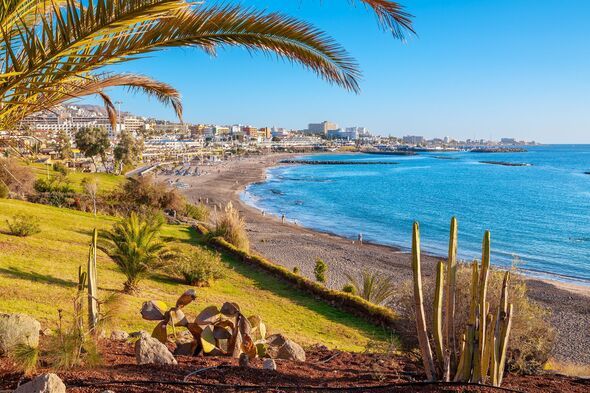
 Overtourism in Tenerife has caused significant backlash, with residents protesting issues such as housing.
Concerned locals warned that the number of holiday rentals has taken housing off the market for locals, and pushed prices to unaffordable amounts.
Locals have said their quality of life is declining, with many employed but unable to afford to live on the island, leading to calls for sustainable tourism and caps on development.
Last year, thousands of residents took to the streets in protest of mass tourism.
As the most visited destination in the Canary Islands, it introduced measures to reduce the impact of overtourism, such as a daily cap on visitor numbers to Anaga Rural Park.
 Majorca, Spain
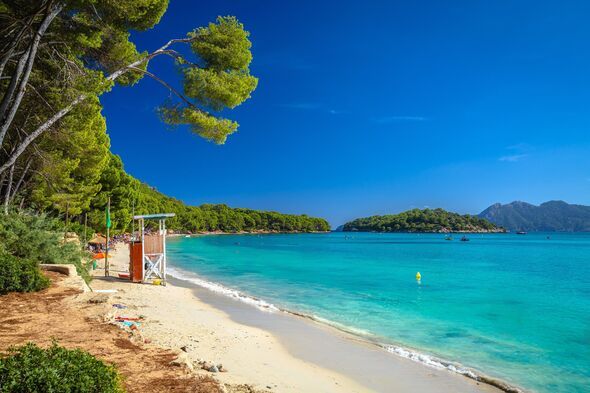
 The Balearic Island has similar issues to Tenerife, with frustrations over housing, crowded streets and beaches, and strain on the environment.
Housing has been compounded by a huge number of unregulated holiday lets, which take prime property from the market away from local people.
There have also been mass protests in Majorca over the last year, with thousands of demonstrators marching through Palma's streets demanding an end to the "touristification" of their region.
The island has increased its tourist tax, introduced restrictions in some resorts for overnight alcohol sales, and Palma has begun limiting cruise ship arrivals to tackle the issues.
 Barcelona, Spain
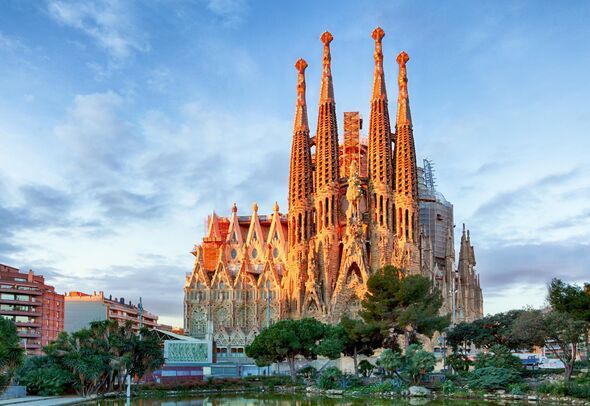
 While around 1.7million call Barcelona home, around 30 million visit the city every year.
This has led to serious tensions between locals and tourists, with the viral pictures of visitors being sprayed with water guns now becoming an emblem of the movement against overtourism in the city.
It is common to see graffiti demanding tourists "go home", and the city has introduced measures like increased tourist taxes, cruise ship limits, and noise restrictions, aiming for more sustainable tourism.
It is a similar story across Spain, with activist groups highlighting a housing shortage, cost of living crisis and strained infrastructure.
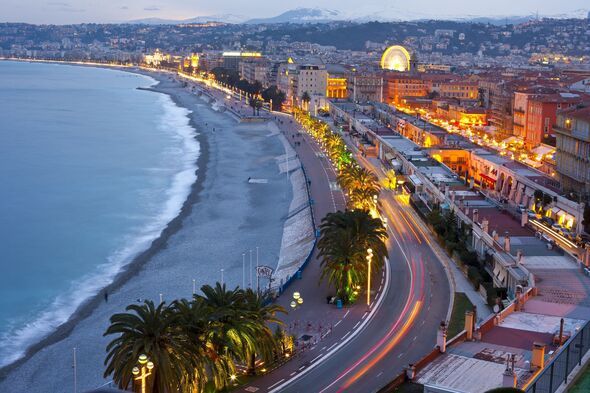 Nice, France
 The mayor of Nice, France's second-most popular destination after Paris, has made bold moves to tackle overtourism.
The city banned cruises carrying more than 900 passengers from July. However, a French court blocked the ban, claiming that Estrosi lacks the legislative power to control the harbours, and that only regional or national authorities have the power to impose such restrictions.
However, he has been consistently vocal against mass tourism.
In an interview with Nice-Matin, Mayor Estrosi said: "I don't want overtourism anymore. No question of becoming Florence or Rome."
"We are working on drafting a decree to ban tour operator coaches from entering Nice as quickly as possible," he revealed. "They will park on the outskirts and their passengers will take public transport."
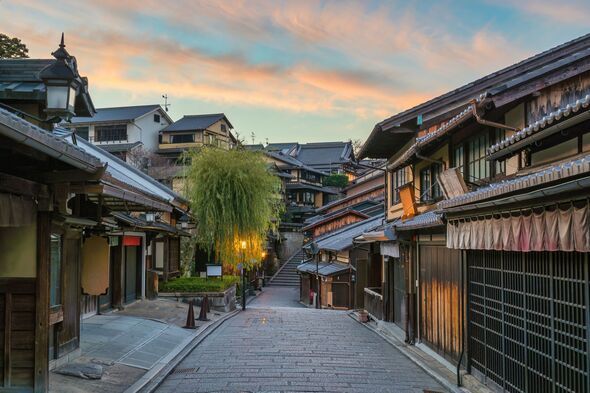 Kyoto, Japan
 In recent years, Japan has experienced a steady increase in overseas visitors, with the growing popularity of its cuisine significantly boosting its appeal.
However, Kyoto in particular is bearing the brunt of its popularity.
In 2024, some 8.2million foreign travellers stayed in hotels within Kyoto City, a 53.2% increase from the previous year, reports Japan Today.
New York magazine noted how swarms of disrespectful tourists treated the historic city like "an amusement park" or "a safari."
It even led to the city launching an etiquette campaign "Mind Your Manners" to educate tourists on respectful behaviour, such as putting rubbish in the bin, and only taking photos where permitted.
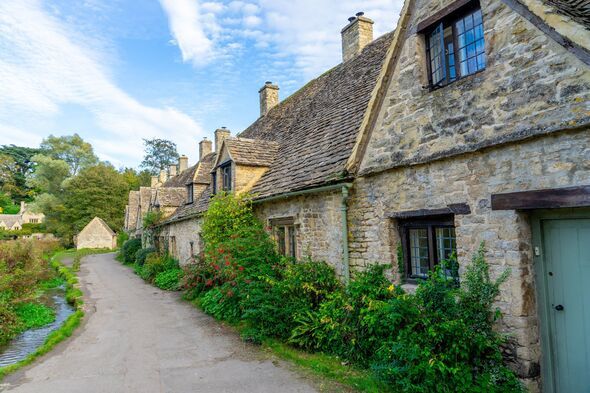 Bibury, England
 The village in the Cotswolds is home to only a few hundred people, but reports suggest up to 20,000 tourists can visit in a single weekend to see what is often described as "England's prettiest village".
While social media portrays it as a tranquil slice of English countryside, the reality for locals is far different, with residents claiming they endured "overtourism traffic chaos" during Easter last year.
It became so bad that a local man's foot was even run over in a parking dispute, reports the BBC.
Councillor Michelle Holt, a Bibury Parish Council, said: "The sheer volume is just overwhelming for the local community and we just don't have the infrastructure to cope."
Contact to : xlf550402@gmail.com
Copyright © boyuanhulian 2020 - 2023. All Right Reserved.