Refrigerators are the main tool of modern food storage and have become almost the sole reference for the freshness and safety of food without questioning their effects. The assumption that low temperature preserves quality has been confirmed for decades by domestic practice and appliance design. Yet foods differ widely in structure, water content, metabolic activity, and chemical stability. When exposed to cold, some undergo changes that are measurable at the cellular or molecular level and are not readily reversed. The changes have been recognised in plant science, food chemistry, and post-harvest research, with implications for texture, flavour, and physical integrity of the product. However, domestic storage habits seldom demonstrate the distinctions that have been identified in controlled studies or laboratory observation.
7 foods commonly affected by refrigeration
Several foods regularly placed in household refrigerators show consistent responses to cold storage that differ from those expected of perishable items. Their behaviour under low temperature conditions has been examined through experimental storage trials and compositional analysis.
• Tomatoes
• Potatoes
• Onions
• Basil
• Bananas
• Bread
• Honey
1. Tomatoes

Tomato fruit continues to respire and metabolise after harvest, relying on enzyme-driven pathways to maintain flavour and texture. Refrigeration alters these pathways by reducing the activity of enzymes involved in volatile compound synthesis. A study on aroma profiles, , has revealed that the levels of aldehydes, alcohols, and other compounds contributing to the fresh tomato flavour significantly decrease after the product is stored in the cold. Cellular-level studies also suggest changes in membrane fluidity and cell wall structure when the sample is kept at a low temperature. What is more, these changes continue even when tomatoes are brought back to room temperature, thus indicating that refrigeration induces a lasting physiological disruption rather than a temporary metabolic slowing. Such outcomes are reported in post-harvest physiology research published in biomedical open-access literature examining temperature stress in tomato fruit.
2. Potatoes

Potato tubers are indeed a good example of storage organs, as they accumulate starch as their main energy source. When kept at low temperatures, enzymatic activity starts to break down starch into simpler sugars, a process that has been followed through chemical measurement on several occasions. Refrigerated potatoes show higher levels of glucose and fructose than those kept in cool, dry conditions. The 'countdown' not only changes the taste of the product, but also its chemical behaviour during cooking. Various studies have been conducted to compare different storage environments, and the results have consistently shown that changes occur fastest in refrigeration. A study examined the effect of storage on potatoes and onions and found that exposure to low temperature was the main factor that caused a metabolic shift, rather than a neutral preservation method. These findings are described in food chemistry and agricultural studies indexed in biomedical research databases.
3. Onions
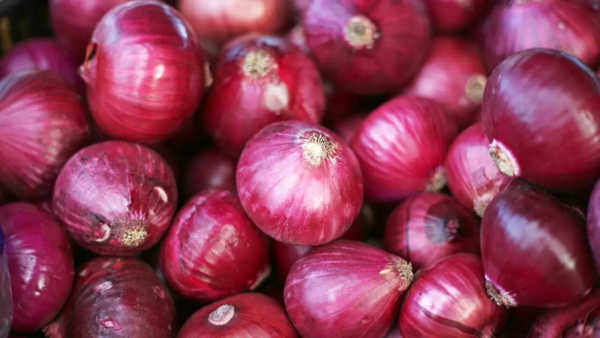
Onions are composed of layered tissues protected by a dry outer skin that limits moisture exchange. Refrigerators combine low temperatures with relatively high humidity, which are the conditions that jeopardise the protective balance of the product. Studies on experimental storage have revealed that cellular breakdown has increased, and so have respiration rates in onions that have been kept in the fridge. After they are taken out of the cold, surface condensation is often found there, which not only weakens tissue structure but also allows microbial growth to take place. Comparative research on onion storage has reported that refrigeration leads to softening and spoilage rather than extended stability. These observations are detailed in post-harvest handling studies available through open-access scientific repositories.
4. Basil leaves
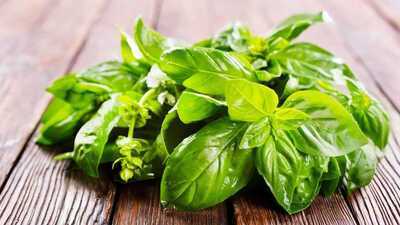
Basil exhibits a high sensitivity to temperatures below typical indoor conditions. Controlled experiments demonstrate that refrigeration leads to visible leaf darkening, loss of turgor, and rapid wilting. Microscopic analysis reveals damage to chloroplast membranes and disruption of cellular organisation. Measurements of essential oil content reveal that aromatic compounds are diminished after the plants have been subjected to cold. The alterations described unfold without the tissues being frozen, and they are typical of a chilling injury in those organs which are highly sensitive to cold. This phenomenon has been acknowledged and documented in research papers concerning culinary herbs and the general response of plants to stress, which have been published in journals dedicated to postharvest quality and physiological damage, including one in .
5. Bananas
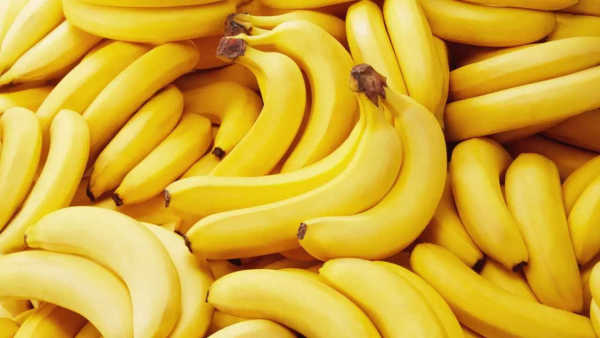
Bananas are climacteric in their ripening pattern, which is basically controlled by the production of ethylene and the series of enzymatic changes occurring in a coordinated manner. According to a study , when placed in a refrigerator , their metabolic processes are stifled, yet the peel is subjected to oxidative reactions. Different studies have been carried out by the empirical approach, whereby firmness, sugar concentration, and pigmentation have been measured, and the results are that the bananas kept in cold storage develop differently. Often, the peel darkens while the flesh is still under-ripe, thus indicating that the biochemical processes have been disrupted. Experiments on the storage and transport of bananas have shown that cold temperatures slow down the ripening process and therefore are not a means of stabilising the fruit quality. These are the findings of food science literature that focus on the effects of temperature on climacteric fruits.
6. Bread
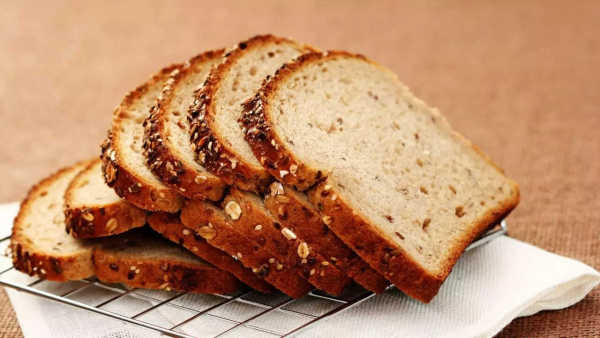
Bread staling is driven by structural changes in starch, particularly the recrystallisation of amylopectin. This transformation is carried out at a much slower rate when the product is kept in a refrigerator. Several instrumental studies, which include the assessment of crumb firmness and the evaluation of moisture distribution, have provided evidence that the texture of the bread kept in a refrigerated environment is deteriorating at a much faster rate than that of the bread kept at room temperature. Techniques of thermal analysis have been used to confirm that the starch has become more crystalline as a result of cold storage. These physical changes are not fully reversed by reheating. A study identified refrigeration as a condition that accelerates staling reactions, as documented in food chemistry journals published by major scientific presses.
7. Honey

Honey is a concentrated sugar solution, and its physical state depends on temperature and sugar composition. When honey is refrigerated, molecular mobility is reduced, thus favouring the formation of solid glucose crystals. Analytical studies comparing storage conditions show that honey crystallises more rapidly and forms larger crystals at low temperatures. Such a change has a significant impact on texture and flow behaviour, but it does not indicate microbial spoilage. The research on the stability of honey storage has been through the lens of changes in rheological and compositional properties. These findings are from the food chemistry literature that reports the relationship between temperature and crystallisation dynamics in natural sweeteners.
Also Read |
Contact to : xlf550402@gmail.com
Copyright © boyuanhulian 2020 - 2023. All Right Reserved.