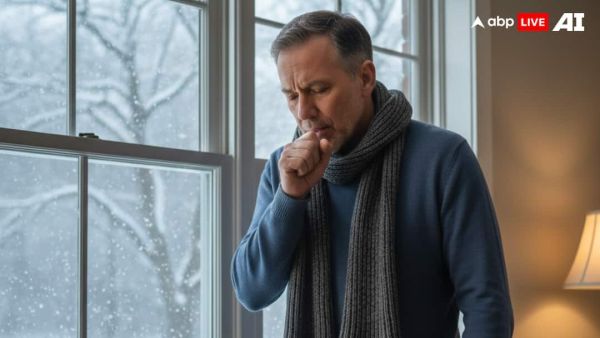
Winter often arrives quietly, but its impact on health can be profound. As temperatures drop, cases of seasonal illnesses such as colds, flu, joint pain, skin dryness, and respiratory conditions rise sharply. For many people, winter is not just about heavier clothing and shorter days, it is a season that places added stress on the lungs and immune system. Among the conditions that tend to worsen during this time, bronchial asthma stands out as one of the most sensitive to cold weather and environmental changes.
What Is Bronchial Asthma?
Bronchial asthma is a long-term inflammatory disease that affects the airways of the lungs. In people with asthma, the bronchial tubes are unusually sensitive. When exposed to certain triggers, these airways react by becoming inflamed, swollen, and narrowed. At the same time, excess mucus is produced, further restricting airflow.
This combination makes breathing difficult and leads to recurring symptoms such as wheezing, breathlessness, chest tightness, and persistent coughing, often worse at night or in the early morning. The intensity of symptoms can vary widely. While some people experience mild discomfort, others may face severe attacks that require urgent medical care.
Why Winter Poses A Special Challenge For Asthma Patients
Cold weather does not directly cause asthma, but it plays a powerful role in triggering flare-ups. One of the main reasons lies in how the airways respond to cold, dry air. When inhaled, cold air can irritate the bronchial tubes, causing the muscles around them to tighten reflexively. For people with asthma, this reaction is often stronger, leading to sudden breathing difficulty.
Winter also brings a sharp rise in air pollution, particularly in north India. Factors such as temperature inversion, vehicle emissions, and biomass burning trap harmful particulate matter close to the ground. These tiny pollutants penetrate deep into the lungs, intensifying airway inflammation and increasing the risk of asthma attacks.
Indoor Exposure: An Overlooked Winter Trigger
As temperatures fall, people naturally spend more time indoors. While this offers protection from the cold, it can increase exposure to indoor asthma triggers. Dust mites, mould, pet dander, and indoor air pollutants become more concentrated in closed spaces, especially when ventilation is poor.
Indoor heating and reduced airflow can further degrade air quality, making it harder for sensitive airways to recover. For asthma patients, this constant exposure can lead to persistent symptoms and reduced overall control of the condition.
Who Faces Greater Risk During Winter?
Not everyone with asthma is affected in the same way. Certain groups are more vulnerable to winter-related worsening of symptoms. Older adults and children are particularly at risk, as are individuals whose asthma is not well controlled. Those living in highly polluted areas or managing additional respiratory or heart conditions may also experience more frequent or severe exacerbations during colder months.
Preventing Winter Asthma Flare-Ups
Although winter presents unique challenges, asthma attacks during this season are not inevitable. Consistent use of prescribed inhaled medications remains the cornerstone of asthma control. Simple protective measures, such as covering the nose and mouth when outdoors, can help warm the air before it reaches the lungs.
Monitoring air quality and limiting outdoor exposure on heavily polluted days can reduce trigger exposure. Vaccination against influenza plays an important role in preventing infections that may otherwise provoke asthma attacks. Indoors, maintaining cleanliness, reducing dust accumulation, and ensuring proper ventilation can significantly improve breathing comfort.
Equally important is recognising early warning signs. Seeking medical advice promptly when symptoms worsen can prevent mild flare-ups from turning into medical emergencies.
[Disclaimer: The information provided in the article is intended for general informational purposes only. It is not a substitute for professional medical advice, diagnosis, or treatment. Always seek the advice of your physician or other qualified healthcare provider with any questions you may have regarding a medical condition.]
Contact to : xlf550402@gmail.com
Copyright © boyuanhulian 2020 - 2023. All Right Reserved.