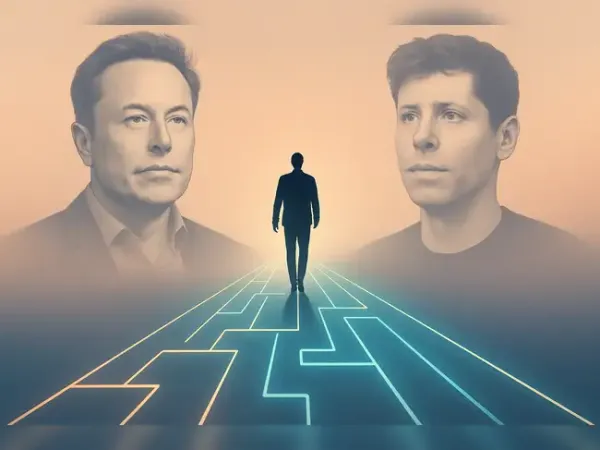
A federal judge on Wednesday indicated a jury will be allowed to decide whether artificial intelligence trailblazer OpenAI hoodwinked its billionaire cofounder Elon Musk during its evolution from a non-profit research lab into a capitalistic enterprise now valued at $500 billion.
Without issuing an official ruling, U.S. District Judge Yvonne Gonzalez Rogers made it clear that she intended to reject OpenAI's motion to dismiss a 17-month-old case that Musk filed against a San Francisco startup that he helped create in 2015.
"This case is going to trial," Gonzalez Rogers said emphatically during an occasionally testy 90-minute hearing held in Oakland, California.
The judge said she still needed to figure out some of the logistics of how the trial will be set up, as well as whether to dismiss unjust enrichment allegations that Musk has made against Microsoft, which has accumulated a $135 billion stake in OpenAI since investing $1 billion in a for-profit subsidiary that the startup created in 2019.
But the judge told lawyers that there is sufficient evidence for a jury to consider in a legal showdown pitting Musk - the world's richest man with an estimated fortune of $713 billion - against OpenAI CEO Sam Altman, whose fortune is currently pegged at $2 billion. Both billionaires would likely be summoned to court to testify under oath if the trial proceeds.
"Part of this is about whether a jury believes the people who will testify and whether they are credible," Gonzalez Rogers said.
It's unclear when the judge will schedule the trial.
The case revolves around OpenAI's origins as a non-profit research lab that Musk and Altman launched to develop artificial intelligence designed primarily for the good of humanity. That mission, the two founders believed, could serve as a foil to AI being developed by Google and other profit-driven companies that, they claimed, could deploy the technology recklessly as they strived to make more money.
Musk contributed $40 million, mostly funnelled through donor-advised funds that he had set up, in addition to four Tesla vehicles. Then he and Altman had a falling out over OpenAI's future, according to evidence that has surfaced so far.
At that point, Musk began to suspect that Altman and another OpenAI executive, Greg Brockman, might be plotting to transform the research lab into a profit-seeking company, according to evidence submitted to the the judge.
Although Altman sought to reassure Musk he remained committed to OpenAI's non-profit mission, Musk decided to cut ties with the startup and eventually launched a rival, xAI, that was valued at $230 billion in a just-completed fundraising.
A 2017 diary entry by OpenAI's Brockman was among the information that Gonzalez Rogers cited to support her rationale for allowing Musk's lawsuit to go to trial.
In the diary, Brockman mused about his desire to become a billionaire and wrote, "We've been thinking that maybe we should just flip to a for profit. Making the money for us sounds great and all," according to court filings.
At one point, OpenAI's own board of directors had serious enough misgivings about Altman's motives to trigger his firing in 2023 before quickly bringing him back as CEO in a comeback that Microsoft helped orchestrate.
One of the key issues that must be decided before Musk can pursue his fraud claims against OpenAI at trial is pinpointing when the alleged deceit occurred. That's because there's a three-year statute of limitations on his fraud claims.
Gonzalez Rogers indicated she will probably let a jury first decide when the alleged fraud against Musk occurred. The trial then would be allowed to proceed to the fraud phase if it's determined that the suspected deceit began less than three years before Musk's August 2024 filing of his lawsuit.
Without issuing an official ruling, U.S. District Judge Yvonne Gonzalez Rogers made it clear that she intended to reject OpenAI's motion to dismiss a 17-month-old case that Musk filed against a San Francisco startup that he helped create in 2015.
"This case is going to trial," Gonzalez Rogers said emphatically during an occasionally testy 90-minute hearing held in Oakland, California.
The judge said she still needed to figure out some of the logistics of how the trial will be set up, as well as whether to dismiss unjust enrichment allegations that Musk has made against Microsoft, which has accumulated a $135 billion stake in OpenAI since investing $1 billion in a for-profit subsidiary that the startup created in 2019.
But the judge told lawyers that there is sufficient evidence for a jury to consider in a legal showdown pitting Musk - the world's richest man with an estimated fortune of $713 billion - against OpenAI CEO Sam Altman, whose fortune is currently pegged at $2 billion. Both billionaires would likely be summoned to court to testify under oath if the trial proceeds.
"Part of this is about whether a jury believes the people who will testify and whether they are credible," Gonzalez Rogers said.
It's unclear when the judge will schedule the trial.
The case revolves around OpenAI's origins as a non-profit research lab that Musk and Altman launched to develop artificial intelligence designed primarily for the good of humanity. That mission, the two founders believed, could serve as a foil to AI being developed by Google and other profit-driven companies that, they claimed, could deploy the technology recklessly as they strived to make more money.
Musk contributed $40 million, mostly funnelled through donor-advised funds that he had set up, in addition to four Tesla vehicles. Then he and Altman had a falling out over OpenAI's future, according to evidence that has surfaced so far.
At that point, Musk began to suspect that Altman and another OpenAI executive, Greg Brockman, might be plotting to transform the research lab into a profit-seeking company, according to evidence submitted to the the judge.
Although Altman sought to reassure Musk he remained committed to OpenAI's non-profit mission, Musk decided to cut ties with the startup and eventually launched a rival, xAI, that was valued at $230 billion in a just-completed fundraising.
A 2017 diary entry by OpenAI's Brockman was among the information that Gonzalez Rogers cited to support her rationale for allowing Musk's lawsuit to go to trial.
In the diary, Brockman mused about his desire to become a billionaire and wrote, "We've been thinking that maybe we should just flip to a for profit. Making the money for us sounds great and all," according to court filings.
At one point, OpenAI's own board of directors had serious enough misgivings about Altman's motives to trigger his firing in 2023 before quickly bringing him back as CEO in a comeback that Microsoft helped orchestrate.
One of the key issues that must be decided before Musk can pursue his fraud claims against OpenAI at trial is pinpointing when the alleged deceit occurred. That's because there's a three-year statute of limitations on his fraud claims.
Gonzalez Rogers indicated she will probably let a jury first decide when the alleged fraud against Musk occurred. The trial then would be allowed to proceed to the fraud phase if it's determined that the suspected deceit began less than three years before Musk's August 2024 filing of his lawsuit.