Highlights
- Wearable air quality monitors reveal personal exposure to pollutants like PM2.5, gases, and CO₂ in daily environments.
- They help users adjust habits but lack lab-grade accuracy and require calibration awareness.
- Best used as daily guides for healthier choices, not as official or legal measurement tools.
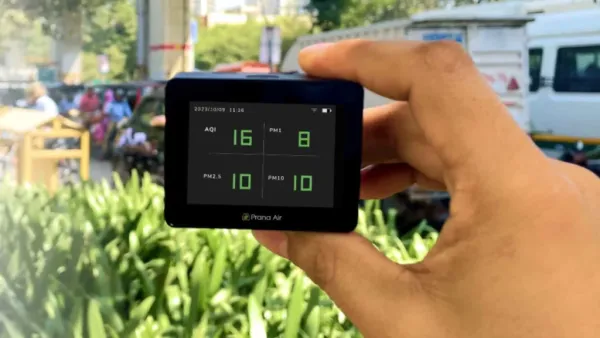
What you breathe affects how you go about your daily life. Picture stepping onto a packed bus, standing near traffic lights, sitting in a café, then lying down at home; air changes fast in each spot. Tiny gadgets claim to show what hides in your breath, specks, fumes, things unseen. They flash data meant just for you. Yet here is the real question: are they practical tools or just fun toys?
How wearable air-quality monitors work
Tiny devices you can carry measure key stuff affecting how we feel day to day. One frequent target are floating specks called PM2.5bits tinier than 2.5 millionths of a meter that cars, factories, meals on the stove, roads, all send drifting into the air. Their size lets them dive far into breathing passages, then slip into bloodstreams, drawing medical interest.
Alongside those readings, some tools watch invisible vapours released by everyday materials. Paint fumes, spray cleaners, gasoline, plastic goods, they quietly let out such gases. Rather than naming each one, gadgets give a total score since mini detectors react to blends, not pure forms. Beyond airflow clues, certain gadgets track CO₂ to hint at room ventilation quality. A handful of pricier units go further, catching fumes tied to vehicles, say, NO₂ or even ozone. Feel matters here too, as warmth and dampness often get logged since they tweak both comfort and sensor responses. These details shift how readings play out behind the scenes.
Inside, various sensors create these readings. Light gets fired through a stream where floating specks bend it, revealing particle levels. When gases show up, metal oxide units react by shifting how electricity moves, others rely on chemical reactions altering current flow. Speed and low-cost help optical methods stand out, yet damp air sometimes tricks them into false highs. Electrochemical types target specific gases well, though they demand regular checkups to stay reliable. Shrinking everything down for wearable gear means cutting weight, saving power, holding price low, all of which chips away at consistency over time.
Accuracy, common failure modes and calibration
When it comes to exact, lab-level readings, today’s wearables still fall short. Imagine these gadgets more like compasses showing if air around you feels fresher or heavier than normal. One reason for them not catching up lies in size, tiny sensors need tiny power sources, which means less space for collecting samples and fewer details in results.
Another issue pops up with cheaper models: they start accurate thanks to preset tuning but tend to lose accuracy as days pass, unless someone checks and adjusts them now and then. Now here is another twist: the world around the sensor shifts what it sees. Moisture in the air or a jump in warmth affects how light bounces off tiny bits floating nearby. A quick blast of wind, or shoving the gadget into a jacket, might make numbers swing without real cause.
Location plays tricks too. Where you carry it alters everything. Fasten it near your face, let it hang like jewellery and this tracks what enters your breath, which is useful for your own story. But that data will differ from machines on rooftops measuring whole blocks. These small tools do one thing well, they signal change. You passed a bus spewing smoke, levels spiked. Or sat down somewhere stuffy. That alert means something. Yet handing those exact digits to someone official? Not so solid.
Usability: design, battery, data, and daily life
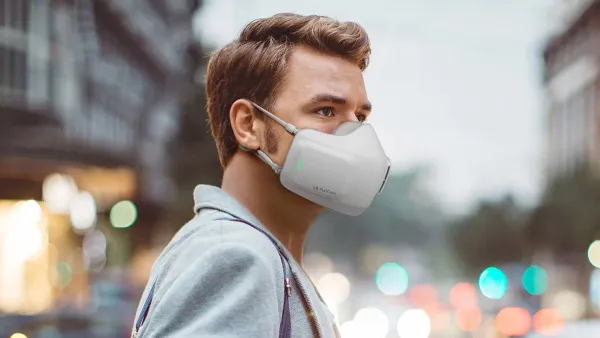
A thing works only when used regularly and how something looks shapes how easily it slips into normal days. Because they rest near where air enters the body, clipped gadgets give clearer data about breath content, yet tangle in fabric or hide beneath layers. On arms, bands feel natural, known through habit, but the distance from the face changes how air samples arrive.
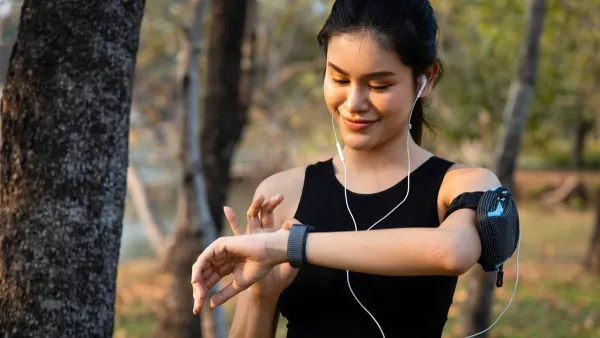
Even so, movement across hours shows real habits, just seen differently. Power runs out faster when sensors keep working nonstop and because of this, gadgets have to adjust how often they check data to avoid constant recharging. A few trackers die after just one full day online, while others take breaks between readings, which helps them go longer without plugging in. Top versions show what you gain or lose and let choices fit personal needs.
What matters is not just the information itself. A lot of folks find long strings of figures hard to make sense of, especially when they come packed with strange measurements. That is why good tools change those signals into shades on a screen, smooth curves over time, or short notes like: “PM2.5 high: maybe wear a mask, stay away from busy roads.”
Another thing worth thinking about? Who gets access to what you share. These gadgets usually hook up to phones using wireless links, often sending out records tagged with where you have been. When that feels sensitive, check how each device handles secrecy, if it lets you save details only on your own phone, or strips names and IDs before sharing. It all comes down to upkeep, some gadgets need fresh firmware, others want regular tuning, and a few demand new sensors now and then. Devices asking for less effort tend to stick around longer in daily use.
Finding their place in city life
A device on your wrist might quietly change how you move through the day. It could point out cleaner ways to get downtown, ones you may never have noticed before. Picture spotting thick fumes near a bus stop, or smoke drifting from a street vendor’s grill. Even inside buildings, stuffy corners become obvious once tracked over hours.
If you walk or bike regularly, one path feels different after seeing what the gadget recorded. Parents watching small kids often check it when thinking about fresh air at home. So do folks whose lungs react easily to dust or haze.
Turning on an air purifier? That decision gets easier with proof in hand. Numbers stored each hour add up into something more real than broad city reports ever capture. When gathered carefully, info from wearables might help neighbourhood efforts aiming at tidier sidewalks or improved airflow inside shared spaces. Still, these gadgets fall short where legal proof matters, unable to deliver courtroom-ready results or pinpoint specific pollutants, tasks reserved for certified gear or controlled lab work.
Devices worth having mix solid build quality with smart design, one that explains what the numbers mean, lasts through the day, shows how sensors stay accurate, and guards your info carefully. Think of them less like truth machines and more like guides helping you tweak habits minute by minute. Yet even the sharpest gadget works best alongside efforts that clean up the air beyond just one person’s path.
Contact to : xlf550402@gmail.com
Copyright © boyuanhulian 2020 - 2023. All Right Reserved.