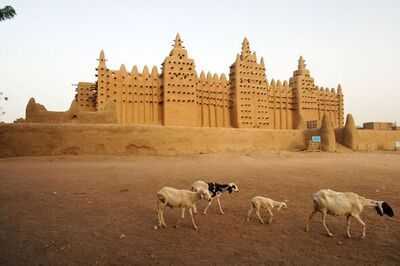
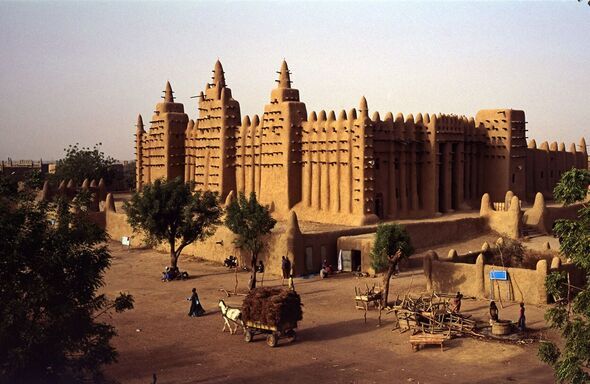
Timbuktu, perched on the edge of the Sahara Desert in modern-day Mali, was once one of the world's most celebrated cities, as a hub of wealth, knowledge, and culture that earned it a reputation as Africa's "greatest city." In the 14th and 15th centuries, it flourished as a centre of trade and learning, with riches and intellectual life that rivalled, and in some ways surpassed, that of London at the time.
Founded in the 12th century, Timbuktu became a key stop on the trans-Saharan trade routes, connecting West Africa with North Africa and beyond. Gold, salt, ivory, and other valuable commodities flowed through the city, bringing immense wealth to its rulers and merchants. Its strategic location on the Niger River delta also facilitated commerce, ensuring the city's prominence for centuries.
Beyond commerce, Timbuktu was renowned as a centre of Islamic scholarship. Its mosques, madrasas, and libraries housed tens of thousands of manuscripts on subjects ranging from theology and law to science and mathematics.
Scholars from across the Islamic world travelled to Timbuktu to study, debate, and contribute to the city's intellectual life. It was often referred to as the "City of 333 Saints" due to its many learned men and revered religious leaders.
The wealth and influence of Timbuktu were such that in the 15th and 16th centuries, European travellers often compared it to the most prosperous cities of the time, including London, Cairo, and Venice.
Stories of its riches, gold-lined mosques, libraries filled with priceless manuscripts, and markets bustling with traders from across Africa and beyond, spread far and wide.
However, Timbuktu's golden age eventually waned.
Conquests, political instability, and the shift of trade routes away from the Sahara eroded its wealth.
Later centuries saw periods of neglect, and in modern times, the city has faced threats from climate change, desertification, and conflict.
Despite this, Timbuktu's cultural and historical significance remains unmatched, and it has been recognised as a UNESCO World Heritage Site.
Today, Timbuktu stands as a symbol of Africa's rich intellectual and commercial history, a reminder that the continent was once home to cities that rivalled the greatest metropolises of Europe and the Middle East.
Contact to : xlf550402@gmail.com
Copyright © boyuanhulian 2020 - 2023. All Right Reserved.