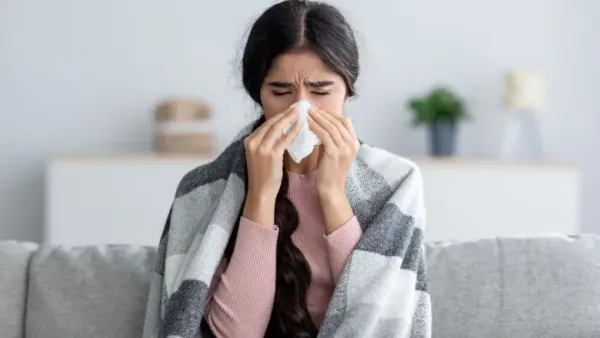
Summary: Know about the symptoms and remedies of hypothermia
Hypothermia can become a serious health problem due to extreme cold in winter, in which the body temperature drops far below normal. In this article, the early and serious symptoms of hypothermia as well as easy and effective measures to prevent it have been explained.
Hypothermia Symptoms and Prevention: Facing cold in winter can be a challenge for everyone, especially when the temperatures are extremely low. Very cold weather can be not only uncomfortable but also dangerous. Hypothermia or overheating of the body is a condition which, if ignored, can prove fatal. Today in this article, we will know about the main symptoms and safety measures of hypothermia from Dr. Akhilesh Rathi, Director of Sports Injury and Orthopedic and Robotic Joint Replacement, Shri Balaji Action Medical Institute, New Delhi and Dr. Aakriti Gupta, Founder and Dermatologist of Jeevisha Clinic, New Delhi.
What is hypothermia?
Hypothermia occurs when the body temperature falls much below normal (about 37°C) to 35°C or below. Due to this, the systems inside the body are gradually affected. The ability to function of the body’s muscles and organs decreases.
Major symptoms of hypothermia
severe and persistent tremors
The most common initial sign is uncontrollable trembling of the body. Shivering is the body’s natural defense mechanism, but if it is very severe and persistent, it should not be taken lightly. This may be the first warning sign of hypothermia.
confusion and stammering speech
When the body struggles with cold, the mind is also affected. The person may have difficulty thinking clearly, confusion, or speech may seem unclear. Cold has a direct effect on the nervous system. Many times the patient himself does not even realize that his words are not coming out clearly or he is getting confused.
weak pulse
As the body cools down, the heartbeat and blood circulation may slow down. The pulse may feel weak or very slow.
slow and shallow breathing
In severe stages of hypothermia, the rate of breathing also decreases, which is a very dangerous sign and may require immediate medical help.
loss of moisture in the skin
In cold weather, the natural moisture of the skin starts decreasing rapidly. Due to this, the skin becomes dry, stretched and sometimes starts cracking. If timely moisturizing and proper skin care is not done, problems like eczema, itching and sensitivity can increase. Skin protection in cold is important for overall health.
prevention of hypothermia

wear clothes in layering
Keeping the body active and proper layering is very important in cold. Especially the knees, joints and spine should be kept warm, because cold increases joint stiffness and pain. Use of inner thermal, sweater, jacket is necessary in this season. Keep head, hands and feet covered.
stay dry
Wet clothes or shoes can cool the body faster. Wear water-repellent clothing such as a raincoat when going out in the rain or snow.
stay less in the open air
Do not stay in cold air for long. If it is necessary to go out, return to a warm place at regular intervals.
keep body warm
Use a hot water bottle or heater, but do not place anything very hot directly on the skin.
Balanced diet and hydration
The body needs energy in cold. In such a situation, eating hot food, soup and drinking enough water helps.
keep skin moist
It is equally important to take care of the skin in winter. Dry and cracked skin can further increase body heat loss. Therefore use moisturizer and lip balm regularly.
When to contact a doctor
If a person shows symptoms like excessive shivering, confusion, slow breathing or weak pulse, immediately take them to a warm place. Initial steps such as slowly warming the body, changing wet clothes and giving warm drinks can help, but in severe cases, medical attention is necessary.
Contact to : xlf550402@gmail.com
Copyright © boyuanhulian 2020 - 2023. All Right Reserved.