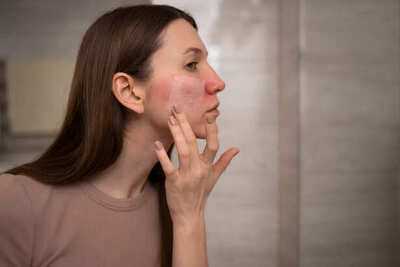
Why Uneven Skin Tone Persists Despite Treatment
Treating uneven skin tone can feel frustrating, especially when products and procedures promise quick results. Yet for many people, patches of discoloration, dullness, or uneven pigmentation remain long after treatment begins. This happens because uneven skin tone isn’t just a surface issue it’s influenced by deeper pigment activity, inflammation, sun exposure, and how well the skin repairs itself. Understanding why results take time helps set realistic expectations and prevents over-treating skin that’s already working to heal.
Sun Exposure Reactivates Uneven Pigmentation

It is a widely established dermatological fact that sun exposure directly causes and reactivates uneven pigmentation hyperpigmentation. When exposed to ultraviolet UV radiation, the skin's defense mechanism is triggered, leading to increased production of melanin, the pigment that gives skin its color.
Uneven Production: Sometimes this process goes into overdrive or is irregular, causing melanin to be distributed unevenly and resulting in dark spots, patches, or a blotchy appearance.
Worsening Existing Conditions: For those with pre existing pigmentation issues like melasma or post-inflammatory hyperpigmentation (PIH), any sun exposure even brief, indirect exposure through windows or on cloudy days can significantly darken the spots and reverse progress made with treatments.
Inflammation: UV exposure also causes inflammation and oxidative stress, which further "wake up" melanocytes and exacerbate uneven pigmentation.
Cellular Memory: Skin cells have a form of "memory," and past damage can make the skin more prone to developing dark spots with subsequent sun exposure.
Barrier Damage Prevents Even Results
Why Barrier Damage Leads to Uneven Results
Uneven Texture and Tone: A compromised barrier disrupts the natural shedding process of dead skin cells, causing a buildup that results in flakiness, rough patches, and dullness. Inflammation and irritation can also trigger melanin overproduction, leading to discoloration or hyperpigmentation.
Increased Sensitivity: The skin becomes more vulnerable to external irritants, allergens, and pollutants, which can cause redness, stinging, burning, or itching, making it difficult to use active ingredients effectively.
Dehydration and Dryness: The damaged barrier struggles to retain moisture, making the skin dry, tight, and prone to fine lines, even with regular moisturizing.
Poor Product Efficacy: When the skin is dry, inflamed, or has a buildup of dead cells, skincare products may not penetrate evenly or work as intended, leading to inconsistent and suboptimal results.
How to Repair a Damaged Skin Barrier
With consistent and gentle care, mild barrier damage can show improvement in a few days to two weeks, while severe cases may take a month or more to fully recover.
Discover expert advice and the latest updates in Skin Care, Hair Care, Wellness, Dermatology, and more at Stay Young guide to lasting beauty and holistic health!
Frequently Asked Questions
Can uneven skin tone be permanent?
We may wish for perfectly smooth, even skin, but many of us have uneven skin tones. This may take the form of redness, acne scars, age spots, or sun damage, which can cause blemishes or patches of color on the skin. Uneven skin can be temporary or permanent, and it may result from: sun exposure.
Which part of my body shows my real color?
Your "real" skin color, especially its natural undertone (warm, cool, or neutral), is best seen in areas that get minimal sun exposure and aren't affected by redness or tanning, like the jawline, neck (especially under the chin/ear area), or inner wrist, viewed in natural daylight without makeup. These spots reveal your true underlying pigments, which are a mix of melanin (brown/black), hemoglobin (red), and carotene (yellow/orange).
Which skin color is rarest?
The rarest natural skin color isn't a specific shade but rather conditions like albinism, characterized by a lack of pigment (resulting in very pale skin, white hair, and pink/red eyes), and methemoglobinemia, which causes a blue tint. While albinism affects about 1 in 17,000 people, certain forms of blue-tinged skin, like the historic "Blue Fugates," stem from extremely rare genetic conditions (methemoglobinemia) where blood can't carry enough oxygen, making skin appear blue.
Sun Exposure Reactivates Uneven Pigmentation
Having pigmentation on skin
It is a widely established dermatological fact that sun exposure directly causes and reactivates uneven pigmentation hyperpigmentation. When exposed to ultraviolet UV radiation, the skin's defense mechanism is triggered, leading to increased production of melanin, the pigment that gives skin its color.
Uneven Production: Sometimes this process goes into overdrive or is irregular, causing melanin to be distributed unevenly and resulting in dark spots, patches, or a blotchy appearance.
Worsening Existing Conditions: For those with pre existing pigmentation issues like melasma or post-inflammatory hyperpigmentation (PIH), any sun exposure even brief, indirect exposure through windows or on cloudy days can significantly darken the spots and reverse progress made with treatments.
Inflammation: UV exposure also causes inflammation and oxidative stress, which further "wake up" melanocytes and exacerbate uneven pigmentation.
Cellular Memory: Skin cells have a form of "memory," and past damage can make the skin more prone to developing dark spots with subsequent sun exposure.
Barrier Damage Prevents Even Results
Dryness on the skin
Why Barrier Damage Leads to Uneven Results
Uneven Texture and Tone: A compromised barrier disrupts the natural shedding process of dead skin cells, causing a buildup that results in flakiness, rough patches, and dullness. Inflammation and irritation can also trigger melanin overproduction, leading to discoloration or hyperpigmentation.
Increased Sensitivity: The skin becomes more vulnerable to external irritants, allergens, and pollutants, which can cause redness, stinging, burning, or itching, making it difficult to use active ingredients effectively.
Dehydration and Dryness: The damaged barrier struggles to retain moisture, making the skin dry, tight, and prone to fine lines, even with regular moisturizing.
Poor Product Efficacy: When the skin is dry, inflamed, or has a buildup of dead cells, skincare products may not penetrate evenly or work as intended, leading to inconsistent and suboptimal results.
How to Repair a Damaged Skin Barrier
- Simplify Your Routine: Temporarily stop using strong active ingredients like retinoids, AHAs/BHAs, and high-concentration Vitamin C for at least two to four weeks.
- Use Gentle Products: Switch to a low-pH, sulfate free cleanser and opt for fragrance-free skincare to avoid further irritation.
- Focus on Key Ingredients: Use moisturizers and serums rich in barrier-supporting ingredients such as:
- Ceramides: Essential lipids that fill the gaps between skin cells to lock in moisture.
- Niacinamide: Helps improve elasticity, enhance hydration, and reduce inflammation.
- Hyaluronic Acid: A humectant that attracts and holds water in the skin.
- Fatty Acids and Squalane: Help to replenish the lipid layers.
- Protect from the Sun: Daily use of a gentle, broad-spectrum SPF 30 or greater is non-negotiable, as UV exposure further damages the barrier.
- Lifestyle Factors: Ensure adequate hydration from within, prioritize sleep, and manage stress, as these internal factors significantly impact skin health.
With consistent and gentle care, mild barrier damage can show improvement in a few days to two weeks, while severe cases may take a month or more to fully recover.
Discover expert advice and the latest updates in Skin Care, Hair Care, Wellness, Dermatology, and more at Stay Young guide to lasting beauty and holistic health!
Frequently Asked Questions
We may wish for perfectly smooth, even skin, but many of us have uneven skin tones. This may take the form of redness, acne scars, age spots, or sun damage, which can cause blemishes or patches of color on the skin. Uneven skin can be temporary or permanent, and it may result from: sun exposure.
Your "real" skin color, especially its natural undertone (warm, cool, or neutral), is best seen in areas that get minimal sun exposure and aren't affected by redness or tanning, like the jawline, neck (especially under the chin/ear area), or inner wrist, viewed in natural daylight without makeup. These spots reveal your true underlying pigments, which are a mix of melanin (brown/black), hemoglobin (red), and carotene (yellow/orange).
The rarest natural skin color isn't a specific shade but rather conditions like albinism, characterized by a lack of pigment (resulting in very pale skin, white hair, and pink/red eyes), and methemoglobinemia, which causes a blue tint. While albinism affects about 1 in 17,000 people, certain forms of blue-tinged skin, like the historic "Blue Fugates," stem from extremely rare genetic conditions (methemoglobinemia) where blood can't carry enough oxygen, making skin appear blue.
Contact to : xlf550402@gmail.com
Copyright © boyuanhulian 2020 - 2023. All Right Reserved.