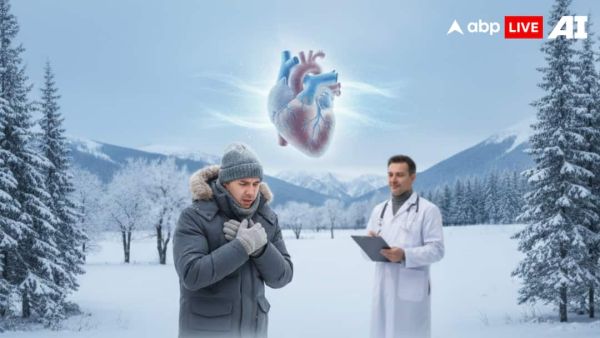
As winter arrives, doctors across the world observe a sharp rise in heart-related emergencies, especially heart attacks. Medical experts explain that although heart attacks can occur in any season, the cold months significantly multiply the risk. Falling temperatures trigger physical changes in the body while also altering daily habits, both of which place additional strain on the heart.
According to the World Health Organization (WHO), cardiovascular diseases remain the leading cause of death globally. A heart attack occurs when the heart muscle does not receive enough blood, most commonly due to blockages in the arteries that gradually damage the heart tissue.
ALSO RELATED: Dalia vs Upma: Which Breakfast Wins The Weight Loss Battle? The Answer May Surprise You!
What Makes Cold Weather So Dangerous For The Heart
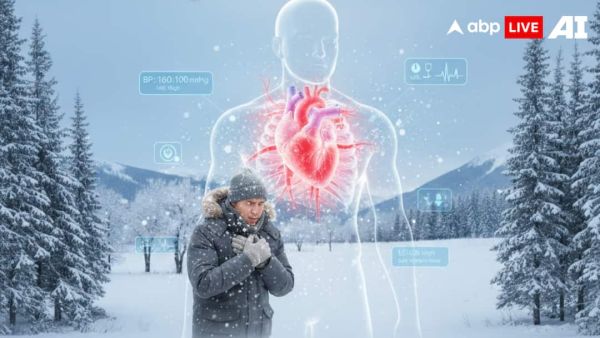
Experts say that cold weather causes vasoconstriction, a natural process where blood vessels narrow to conserve body heat. This raises blood pressure and forces the heart to pump harder. For people who already have blocked arteries or weakened heart function, this added pressure can become life-threatening.
Cold temperatures also make the blood thicker, increasing the chances of clot formation. At the same time, physical activity often declines in winter, leading to weight gain, poorer circulation, and unhealthy cholesterol levels. Seasonal dietary changes, including more fried and high-calorie foods, further increase the burden on the heart.
What The Experts Say
Respiratory infections such as flu and viral illnesses, which are more common in winter, can also raise the risk. These infections increase inflammation in the body, destabilising plaque in the arteries and raising the likelihood of a heart attack.
Senior doctor Shraddhey Katiyar recently explained on social media:
“The rise in heart attacks during winter is not a coincidence. As soon as the cold sets in, the body enters survival mode to preserve heat. Blood vessels constrict, blood pressure rises rapidly, and the heart is forced to work harder. Platelets also become stickier in winter, which increases the risk of clot formation.”
Who Faces The Highest Risk
Certain groups are especially vulnerable during winter. These include people with existing heart disease, high blood pressure, diabetes, smokers, and the elderly.
Doctors strongly advise that chest pain, shortness of breath, sudden weakness, excessive sweating, or dizziness should never be ignored. Recognising these warning signs early and seeking immediate medical attention remains the most powerful defence against fatal heart attacks.
[Disclaimer: The information provided in the article is intended for general informational purposes only. It is not a substitute for professional medical advice, diagnosis, or treatment. Always seek the advice of your physician or other qualified healthcare provider with any questions you may have regarding a medical condition.]
Contact to : xlf550402@gmail.com
Copyright © boyuanhulian 2020 - 2023. All Right Reserved.