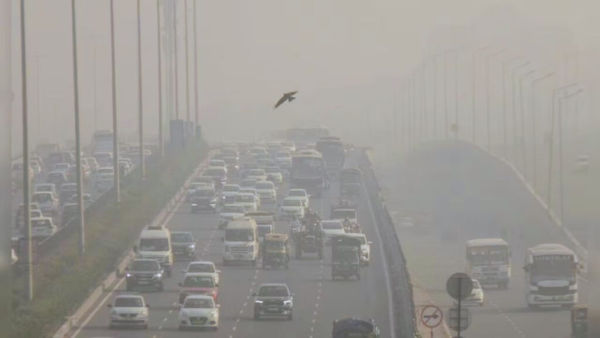
New Delhi: The harsh cold of January has taken the problems of people in North India to its peak. On January 15, dense to very dense fog, cold wave and severe chill severely affected normal life. Visibility was very low in Delhi, Uttar Pradesh, Bihar, Rajasthan and Haryana, due to which road, rail and air traffic was also affected.
Meanwhile, the India Meteorological Department has issued a new warning regarding the weather. According to IMD, a Western Disturbance is going to be active from January 16, due to which there is a possibility of light rain in the plains and snowfall in the hilly areas. However, till then there is little chance of North India getting relief from severe cold and fog.
Why is this winter taking its toll on North India?
According to IMD, at present the cold in the plains of North India is being felt like in the hilly states. The minimum temperature in Punjab, Haryana, Delhi, Rajasthan, Uttar Pradesh and Bihar has gone 4 to 6 degrees Celsius below normal. In many cities the temperature was recorded from 3 to 6 degrees Celsius. This condition has been categorized as cold wave to severe cold wave, due to which the effect of cold is felt more intensely on the body.
Triple attack of cold, fog and traffic in Delhi-NCR
On January 15, the minimum temperature in Delhi was recorded at around 4 degrees Celsius. Due to dense fog in the morning, visibility was less than 50 meters in many areas. Its direct impact was seen on air flights, trains and road traffic. According to IMD, cold wave conditions may persist in Delhi till January 16. A slight increase in temperature is possible between January 17 and 18, but rain is predicted on January 18-19.
Toughest phase of winter in Uttar Pradesh and Bihar
At this time winter is at its peak in Uttar Pradesh and Bihar. Very dense fog was observed in western Uttar Pradesh, while dense fog was recorded in eastern UP and Bihar. The minimum temperature in Lucknow, Kanpur and Varanasi remained between 5 to 8 degrees Celsius. Whereas in Patna and Gaya the temperature remained around 6 to 9 degrees. Cold day like situation prevails due to low temperature even during day time.
IMD’s warning: Which states will be most affected?
IMD has warned that the effect of cold wave and dense fog may continue in many states till January 15. There is a possibility of dense fog in the morning in Punjab, Haryana, Chandigarh and Delhi. There may be a situation of very low visibility with cold wave in Rajasthan, Uttar Pradesh and Bihar. The effect of cold will also be seen in some areas of Jharkhand and Odisha. At the same time, there is a possibility of icy conditions along with severe cold in Himachal Pradesh and Uttarakhand.
How will the weather change due to Western Disturbance?
Western Disturbance, which will become active from January 16, can bring changes in the weather of North India. Due to its effect, there is a possibility of snowfall in the Himalayan regions and light rain in the plains. Due to this, the minimum temperature may gradually increase by 3 to 5 degrees Celsius. However, due to increased humidity, fog may persist for a long time in the morning and night. There is also a possibility of ground frost in some areas.
Health effects and necessary precautions
The severe cold is affecting the elderly, children and people suffering from respiratory diseases the most. Doctors advise to avoid unnecessary going out in the morning and wear adequate warm clothes. Use of fog lights is necessary while driving in fog. Drink warm beverages and carry an umbrella and extra clothes in case of rain. Vigilance is considered to be the biggest protection in this season.
Weather conditions in South and North-East India
While North India is struggling with the severe cold and fog of January, the weather picture in the southern parts of the country is completely different. The weather in Tamil Nadu, Kerala, Karnataka and Telangana remains dry and the temperature is around normal. The weather is also likely to remain clear in most areas of North-East India, although morning fog may increase problems in some parts of Assam and Meghalaya. Overall, IMD says that the challenge of cold, fog and rain will remain in North India for the time being, while South and North-East India will get relief from the weather.
Contact to : xlf550402@gmail.com
Copyright © boyuanhulian 2020 - 2023. All Right Reserved.