While global temperatures dipped in 2025, fears persist over the continuing effects of global warming and climate change on communities worldwide.
Wildlife remains a major cause for concern, with countless species under threat from shifting habitats and deteriorating environmental conditions.
Yet despite these obstacles, many organisations and campaigners are striving to create safer conditions for animals across the globe. One method involves building infrastructure that enables wildlife to move around, or safely across, man-made barriers.
- Keep homes warm and cut energy bills by using heating at 1 specific time of day
- Remains of 1,800-year-old mummified cheetah discovered in cave
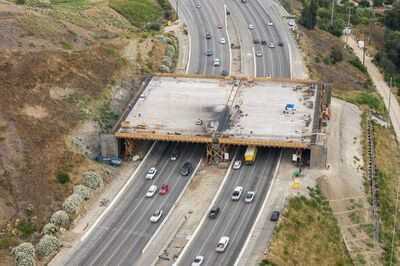
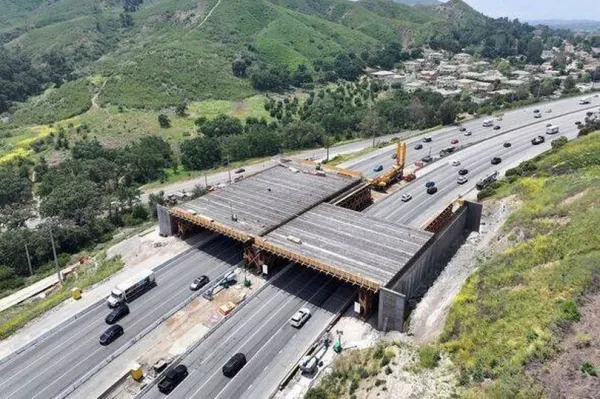
The Wallis Annenberg Wildlife Crossing stands out as a leading example. Currently under construction northwest of Los Angeles, it will become the world’s largest animal crossing once completed.
The £68 million megaproject is being built over the 101 Freeway in Agoura Hills and has been decades in the planning,reports the Express.
Work finally began on site in early 2022, with expectations that the bridge would open in early 2026. However, that launch date has now been pushed back to November 2026, according to KTLA 5. The delay has been blamed largely on the weather, with storms battering the region and causing significant setbacks.
Beth Pratt, a spokesperson for the project, said: “[The storms] caused us to have to redo work as this occurred when contractors were constructing the massive supports and doing the groundwork around them, which required much soil compaction. They had to redo this multiple times because of the muddy mess.”
However, while the scheme’s completion has been delayed by almost a year, there is optimism that its benefits for local wildlife will remain intact, with projections suggesting it will dramatically reduce the number of animals killed by vehicles.
A comparable crossing on Interstate 80 near Salt Lake City in Utah is reported to have cut animal-to-vehicle collisions by 77 per cent.
Beth, who also serves as California's regional director for the National Wildlife Federation, added: “We found solutions ... we knew we had to find a way because failing wasn’t an option. The future of the area wildlife was at stake, and we could not let this mountain lion population go extinct on our watch.”
The bridge is named after Wallis Annenberg, a philanthropist who was instrumental in the project and who died last year at the age of 86.
In addition to supporting environmental causes, Wallis was a passionate advocate for science and education initiatives. In a statement released to the Los Angeles Times following her death, her family said: “Wallis transitioned peacefully and comfortable this morning to her new adventure.
“Cancer may have beaten her body but it never got her spirit. We will hold her and her wisdom in our hearts forever.”
Contact to : xlf550402@gmail.com
Copyright © boyuanhulian 2020 - 2023. All Right Reserved.