
Just 10 minutes of exercise a day could help protect the body against cancer. A new study has found that short bursts of intense physical activity could slow down the progression of the disease.
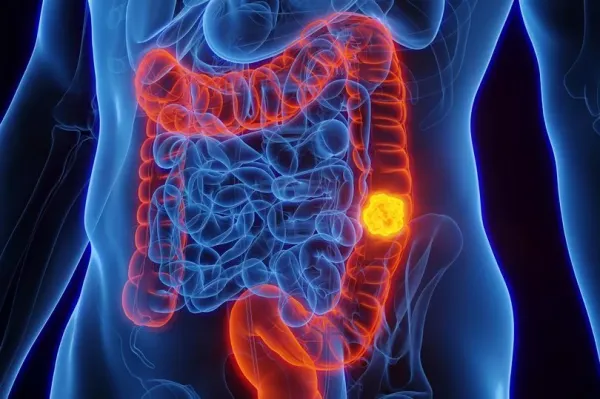
Researchers at Newcastle University discovered that vigorous exercise could swiftly alter the composition of molecules in the bloodstream. These rapid alterations seem to inhibit the growth of bowel cancer cells and expedite the repair of damaged DNA.
When scientists exposed bowel cancer cells in the lab to blood enriched with these exercise-induced molecules, they noticed extensive genetic modifications. As reported by Science Daily, over 1,300 genes altered their activity, including those involved in DNA repair, energy production, and cancer cell growth.
- ITV expert says 'three things' can cut dementia risk by 45%
- Channel 4 doctor's easy five-minute routine to slash diabetes risk
Published in the International Journal of Cancer, the findings shed light on howphysical activity may reduce the risk of bowel cancer. The study demonstrates that exercise transmits molecular signals through the bloodstream that influence genes regulating tumour growth and genetic stability.
Dr Sam Orange, senior lecturer in Clinical Exercise Physiology and principal investigator of the research, explained: "What's remarkable is that exercise doesn't just benefit healthy tissues, it sends powerful signals through the bloodstream that can directly influence thousands of genes in cancer cells.
"It's an exciting insight because it opens the door to find ways that mimic or augment the biological effects of exercise, potentially improving cancer treatment and, crucially, patient outcomes. In the future, these insights could lead to new therapies that imitate the beneficial effects of exercise on how cells repair damaged DNA and use fuel for energy."
The study involved 30 participants, comprising both men and women aged between 50 and 78 years. All subjects were classified as overweight or obese (recognised as a cancer risk factor) but were otherwise in good health. Each participant underwent a brief yet rigorous cycling assessment lasting approximately 10 minutes.
Scientists subsequently obtained blood samples and analysed 249 proteins. Thirteen of these proteins showed elevated levels following physical activity, including interleukin-6 (IL-6), which contributes to the restoration of damaged DNA.
Dr Orange continued: "These results suggest that exercise doesn't just benefit healthy tissues, it may also create a more hostile environment for cancer cells to grow. Even a single workout can make a difference.
“One bout of exercise, lasting just 10 minutes, sends powerful signals to the body. It's a reminder that every step, every session, counts when it comes to doing your best to protect your health."
What does the NHS say?According to the NHS, people who exercise regularly have a lower risk of bowel cancer, among other diseases and conditions. The health body states that people who do regular physical activity also have a lower risk of:
- Coronary heart disease and stroke
- Type 2 diabetes
- Breast cancer
- Early death
- Osteoarthritis
- Hip fracture
- Falls (among older adults)
- Depression
- Dementia, including Alzheimer's disease
The NHS says: “Research also shows that physical activity can boost self-esteem, mood, sleep quality and energy, as well as reducing your risk of stress.” It advises that people engage in at least 150 minutes of exercise a week.
Contact to : xlf550402@gmail.com
Copyright © boyuanhulian 2020 - 2023. All Right Reserved.