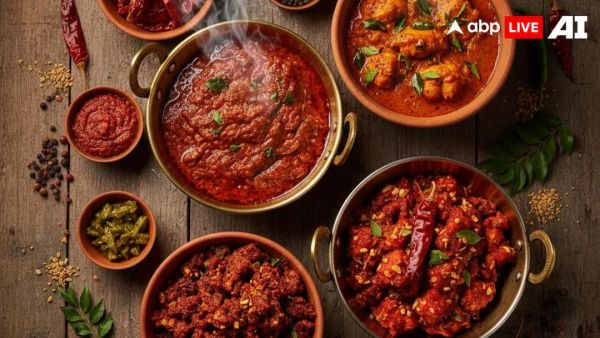
India doesn't just eat spicy food, it celebrates it. Across regions, spice is not merely about heat but about depth, aroma, tradition, and identity. From sun-dried chillies in coastal kitchens to fermented fire in the North East, every region has its own idea of what “spicy” truly means. On International Hot and Spicy Food Day 2026, there’s no better time to honour India’s bold culinary spirit through dishes that are unapologetically fiery, deeply cultural, and unforgettable.
These 10 dishes are authentic regional creations that locals swear by and outsiders approach with respectful caution.
1. Andhra Gongura Mamsam
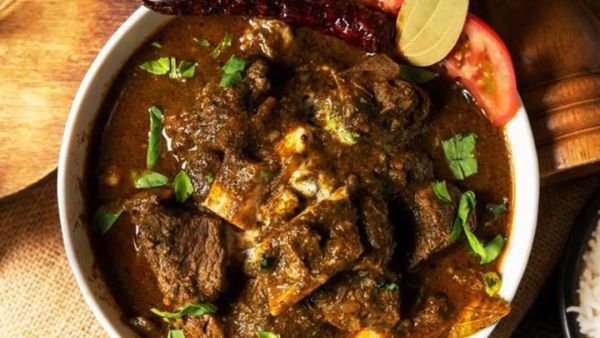
Few dishes strike fear and fascination at once like Gongura Mamsam. This iconic Andhra delicacy combines fiery red chillies with tangy gongura leaves, creating a flavour explosion that’s sharp, spicy, and intensely satisfying. The heat doesn’t just come from chillies but from the sour punch of the leaves, which amplifies the spice rather than softening it. Traditionally cooked with mutton and slow-roasted spices, this dish is a staple in Andhra households that take pride in their tolerance for heat. Gingura Mamsam is bold and rustic, and meant to be eaten with steaming hot rice.
2. Kolhapuri Tambda Rassa
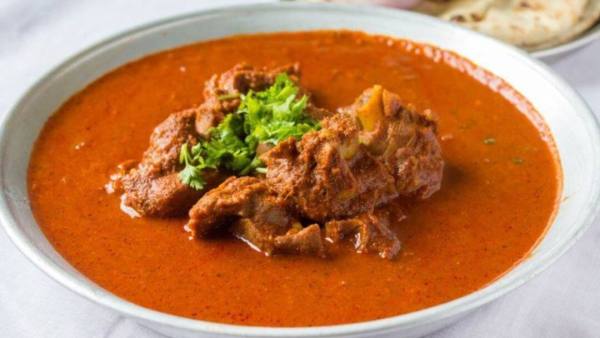
Tambda Rassa, literally meaning “red curry,” is Kolhapur’s fiery answer to comfort food. Made with a powerful blend of dried red chillies, garlic, and whole spices, this thin yet intensely hot mutton curry is not for the faint-hearted. What makes it special is the use of Kolhapuri lavangi chillies, which deliver a lingering burn rather than instant heat. Traditionally served with bhakri or rice, Tambda Rassa is deeply rooted in Maharashtra’s rural food culture.
3. Laal Maas
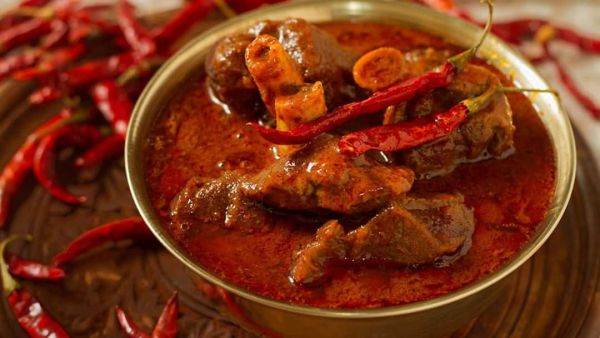
Born in the deserts of Rajasthan, Laal Maas was designed to be powerful enough to preserve meat and energise warriors. This legendary mutton curry gets its fiery red colour and heat from Mathania chillies, which are fragrant, smoky, and explosively spicy. Unlike creamy curries, Laal Maas relies on minimal ingredients, allowing the chilli heat to dominate every bite. Traditionally cooked over slow flames, the spice seeps deep into the meat, making it rich, bold, and unforgettable.
4. Chettinad Pepper Chicken
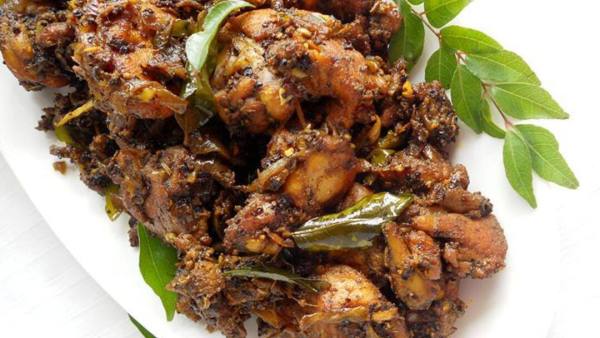
Chettinad cuisine is all about controlled chaos, and Pepper Chicken is its spicy crown jewel. Packed with crushed black pepper, dried red chillies, fennel, and curry leaves, this dish delivers a slow-building heat that intensifies with every bite. Unlike chilli-heavy dishes, the spice here is aromatic and sharp, making it equally addictive and dangerous. Traditionally prepared in Chettinad households, this dish reflects Tamil Nadu’s mastery of spice layering rather than sheer burn.
5. Naga Raja Mircha Pork
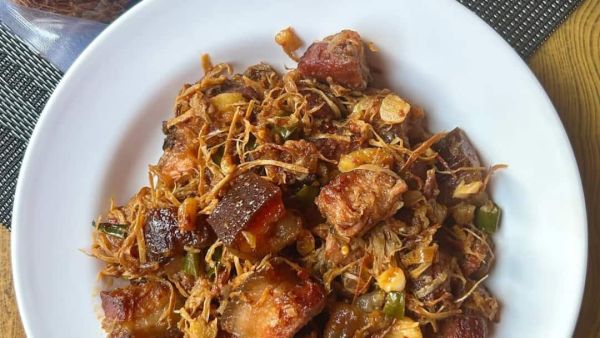
This dish revolves around one of the world’s hottest chillies, the Raja Mircha. Used sparingly yet fearlessly, this chilli turns pork into a slow-burning inferno. What sets it apart is that the heat isn’t masked by spices, it’s raw, direct, and intimidating. Traditionally cooked with minimal ingredients, the focus remains on the chilli’s intensity and flavour. This represents India’s most extreme spice threshold.
6. Rista
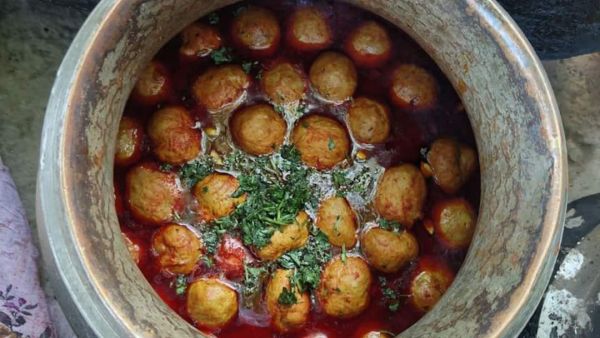
While Kashmiri cuisine is often seen as mild, traditional Rista can be shockingly spicy when prepared in its authentic form. Made with generous amounts of red chilli paste and aromatic spices, this mutton dish delivers heat without overpowering flavour. The spice is smooth, warming, and layered, making it deceptively intense. It’s a reminder that spice doesn’t always shout, sometimes, it simmers and stuns.
7. Mirchi Ka Salan
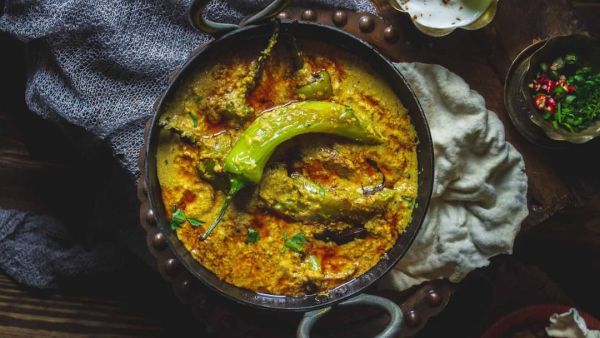
This iconic Hyderabadi side dish turns chillies into the star. Simmered in a rich, spicy peanut and sesame gravy, Mirchi ka Saalan delivers heat with depth. The spice is layered, nutty, and intense, making it dangerously addictive. Often paired with biryani, this dish proves that even accompaniments in India can set your taste buds on fire.
8. Pork Vindaloo
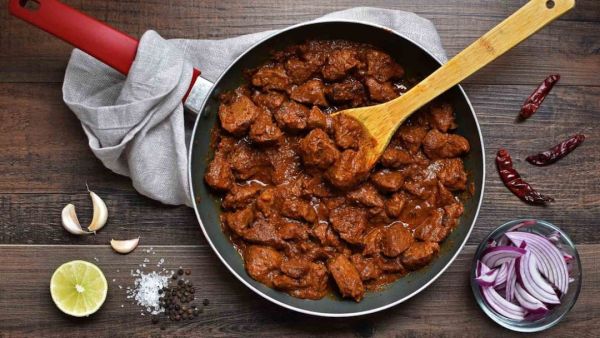
Forget the creamy restaurant version, authentic Goan pork vindaloo is aggressively spicy, tangy, and deeply aromatic. Made with vinegar, garlic, and a powerful chilli paste, this dish delivers a slow, mouth-coating heat that intensifies over time. Traditionally cooked without potatoes, the spice here is sharp and lingering, making it one of Goa’s hottest regional preparations. It’s bold, unapologetic, and deeply rooted in Portuguese-Goan heritage.
9. Rogan Josh
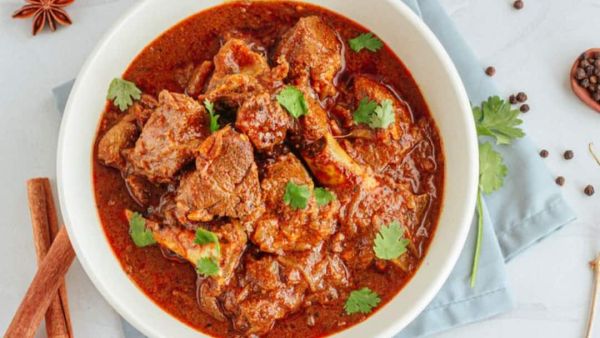
Rogan Josh is one of Kashmir’s most iconic regional dishes, known for its deep red colour, aromatic spices, and slow-burning heat rather than instant chilli shock. Traditionally prepared with tender lamb, this dish derives its signature hue not from tomatoes, but from dried Kashmiri red chillies that add colour and warmth without overpowering bitterness. Served with steamed rice or naan, this dish reflects Kashmir’s mastery of using spice as depth rather than excess.
10. Ker Sangri
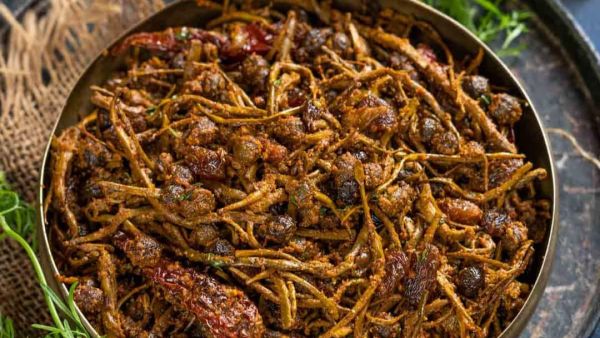
Ker Sangri is a true symbol of Rajasthan’s resilient food culture, born from the harsh desert climate and transformed into a bold, spicy delicacy. Made using dried ker berries and sangri beans that naturally grow in arid regions, this dish reflects how desert communities turned scarcity into flavour. The heat in Ker Sangri is sharp and unapologetic, perfectly matching Rajasthan’s love for robust flavours. Unlike gravied curries, this dry preparation allows the spices to cling tightly to the vegetables, delivering a powerful punch with every bite. Traditionally cooked in mustard oil and flavoured with asafoetida, cumin, and garlic, the dish develops a deep, smoky spiciness that lingers long after the meal.
Contact to : xlf550402@gmail.com
Copyright © boyuanhulian 2020 - 2023. All Right Reserved.