{By: Dr Abhishek Singh}
Night-time should be when the body rests, heals, and restores for many, but for some, sleep becomes an unexpected battleground where sudden gasping, choking, or breathlessness interrupts the night. Most of these episodes begin subtly and are often mistaken for a bad dream or stress by people. But what if these signs are the signs that your body is sending to you for help. What appears to be ‘just nothing’ can be a silent warning sign of an underlying heart problem. Not seeking timely medical care can lead to severe complications if unchecked.
What Is Night-Time Breathlessness In Heart Disease?
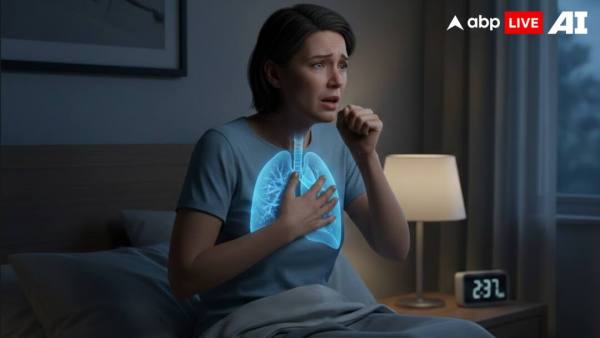
Waking up choking, coughing, or feeling unable to breathe can occur when the airflow is blocked or when the heart and lungs are unable to maintain proper oxygen levels during sleep. This symptom is medically known as paroxysmal nocturnal dyspnea (PND). It occurs when lying flat causes fluid from the lower body to shift back into the bloodstream. In people with heart disease, the heart is unable to pump this extra fluid efficiently, leading to fluid buildup in the lungs. This sudden congestion causes a person to wake up gasping for air.
What Are The common causes?
This gasping can occur due to the following reasons:
- Obstructive Sleep Apnea (OSA): A condition where the airway repeatedly collapses during sleep. When the airway blocks and the oxygen level in the body drops, it leads the brain to jolt you awake. This sudden awakening is the body’s protective mechanism, but over time, untreated OSA can lead to hypertension, stroke, and other health concerns.
- Heart Failure: Heart failure is one of the most common and serious causes of waking up at night gasping for air. As the heart’s pumping ability weakens, fluid begins to accumulate in the lungs when a person lies flat, leading to sudden breathlessness usually one to two hours after falling asleep.
- Coronary Artery Disease: In coronary artery disease, narrowed or blocked arteries reduce blood flow to the heart muscle, reducing its ability to function efficiently. This reduced cardiac performance can manifest as night-time breathlessness, particularly in people with risk factors such as diabetes, high blood pressure, smoking, or obesity. In some cases, nocturnal breathlessness may be the only warning sign of underlying heart disease.
- Valvular Heart Disease: Damaged heart valves interfere with the normal flow of blood through the heart chambers. When valves fail to open or close properly, pressure builds up in the heart and lungs, leading to congestion and shortness of breath that can worsen at night.
Symptoms One Should Not Ignore
Symptoms such as waking up with a dry mouth or morning headaches, suddenly gasping, choking, or coughing during sleep, and experiencing chest tightness or wheezing should never be ignored. These warning signs are often accompanied by excessive daytime fatigue, poor concentration, or a feeling of being unrested despite a full night’s sleep. Sudden breathlessness after falling asleep is particularly concerning and may point to an underlying heart or respiratory condition that requires timely medical evaluation.
Treatment Options
Treatment depends on the underlying heart condition causing night-time breathlessness. Heart failure is managed with medications to reduce fluid overload, improve heart function, and control blood pressure, along with lifestyle changes such as a low-salt diet and weight management. If coronary artery disease is identified, procedures like angioplasty or bypass surgery may be required to restore blood flow. Valvular heart disease may need surgical repair or valve replacement. Timely diagnosis and appropriate treatment can significantly improve symptoms and prevent serious complications.
Misjudging nighttime gasping for just a sleep disturbance may put your body at high risk. It’s important to understand these signs that your body is sending for seeking help. With timely medical care and adopting preventive habits, one can easily protect respiratory health.
The author, Dr Abhishek Singh, is the Consultant- Cardiology, at Manipal hospital, Ghaziabad.
[Disclaimer: The information provided in the article is shared by experts and is intended for general informational purposes only. It is not a substitute for professional medical advice, diagnosis, or treatment. Always seek the advice of your physician or other qualified healthcare provider with any questions you may have regarding a medical condition.]
Contact to : xlf550402@gmail.com
Copyright © boyuanhulian 2020 - 2023. All Right Reserved.