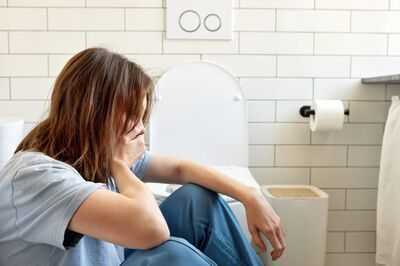
Norovirus appears to be on the rise after a 57% increase in people hospitalised with the sickness bug last week.
NHS data shows an average of 567 hospital beds were filled each day last week by patients with diarrhoea and vomiting. While this is still much lower than the peak of infections last winter the steep increase in just a week has sparked fears norovirus could be about to surge. Children returning to schools and mixing indoors after the Christmas holidays could be driving its spread.
The UK Health Security Agency (UKHSA) released separate data from surveillance labs which indicated norovirus infections in the general population went up by 47% in the first two weeks of 2026. Infections were highest among pensioners, who are also most vulnerable. Outbreaks in hospitals were also reported.
Google Trends also saw a 5,500% increase in searches for "how to know if you have norovirus" in the last week.
• Flu and norovirus warning as critical incidents declared by four hospital trusts
• Top nurse leader warns super flu ‘could soon overwhelm A&Es’
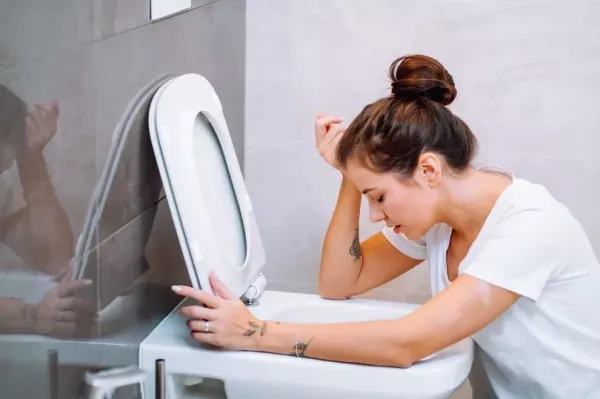
Jason Murphy, head of pharmacy at Chemist4U, said: “Norovirus spreads much more easily than many people think. It only takes a tiny amount of the virus to make you sick, and it can survive on surfaces for days.
“As cases continue to rise, it’s important to go beyond basic hygiene and adopt more targeted measures to protect yourself and those around you. People often think of norovirus as a quick ‘in and out’ bug, but it’s incredibly stubborn and easy to pass on.”
Jason Murphy added: “As a Pharmacist, I look at norovirus in two ways: how we stop it spreading, and how we can support our body while the virus runs its course. There’s no cure for the virus itself, but there’s a lot we can do to make symptoms more manageable and reduce complications like dehydration.”
Chemist4U has the following tips and recovery advice for norovirus:
- Treat it like a resistant infection – Norovirus is a ‘non-enveloped virus’, which makes it resistant to alcohol hand gels and many household cleaners. Soap and warm water physically remove the virus from your hands, and bleach chemically inactivates it on surfaces.
- Choose cleaning products like medicine – Look for disinfectants labelled ‘virucidal’ or ‘effective against non-enveloped viruses’. If it doesn’t say this, it’s unlikely to work against norovirus.
- Think in terms of correct ‘dose’ of bleach – Bleach must be diluted properly: too weak and it won’t kill the virus, too strong and it can irritate your lungs and skin. Always make sure the room has adequate ventilation before using bleach to clean and always follow the instructions on the bleach label.
- Treat vomiting as an exposure event – In healthcare, vomiting is treated as airborne contamination. Clean wider than the visible area, ventilate well, and assume nearby soft furnishings may be affected.
- Isolate like a mini ward – If you can, have one bathroom, one towel set, and one bin for whoever is unwell. This will mirror a hospital’s infection-control practice and reduces the spread of the virus.
How to treat norovirus symptoms:
- Rehydration is your main ‘treatment’ - Dehydration is the biggest medical risk with norovirus. Electrolytes are better than plain water because they replace the salts in your body as well as fluid.
- Dose fluids like medication – Take small sips every 5-10 minutes rather than trying to quickly drink large drinks. This reduces vomiting and improves absorption.
- Pain relief – When you’re able to keep fluids down, paracetamol is the safest option for symptoms like fever, headaches, and body aches. Avoid ibuprofen if you’re dehydrated or vomiting heavily as it can irritate your stomach and put strain on your kidneys.
- Use anti-diarrhoea medicines with caution – Medicines like loperamide can reduce diarrhoea, but they’re not always recommended because diarrhoea helps clear the virus. They may be useful for short-term control (e.g. essential travel) but should be avoided for children or if you have a fever or blood in your stool.
- Anti-sickness options – For severe nausea, a pharmacist can advise on anti-emetics. In persistent cases, a GP may prescribe medication to help control vomiting and allow fluids to stay down.
- Eat little and lightly – When your appetite returns, start with bland foods like toast, crackers, bananas, and rice. Avoid fatty, spicy, or dairy-heavy foods until your symptoms settle.
- Rest is treatment – Your immune system clears norovirus. Making sure you rest will speed up your recovery and reduce any complications.
If you or your child have diarrhoea for more than seven days or vomiting for more than two days the NHS says you should call 111.
Contact to : xlf550402@gmail.com
Copyright © boyuanhulian 2020 - 2023. All Right Reserved.